Last updated November 22, 2026
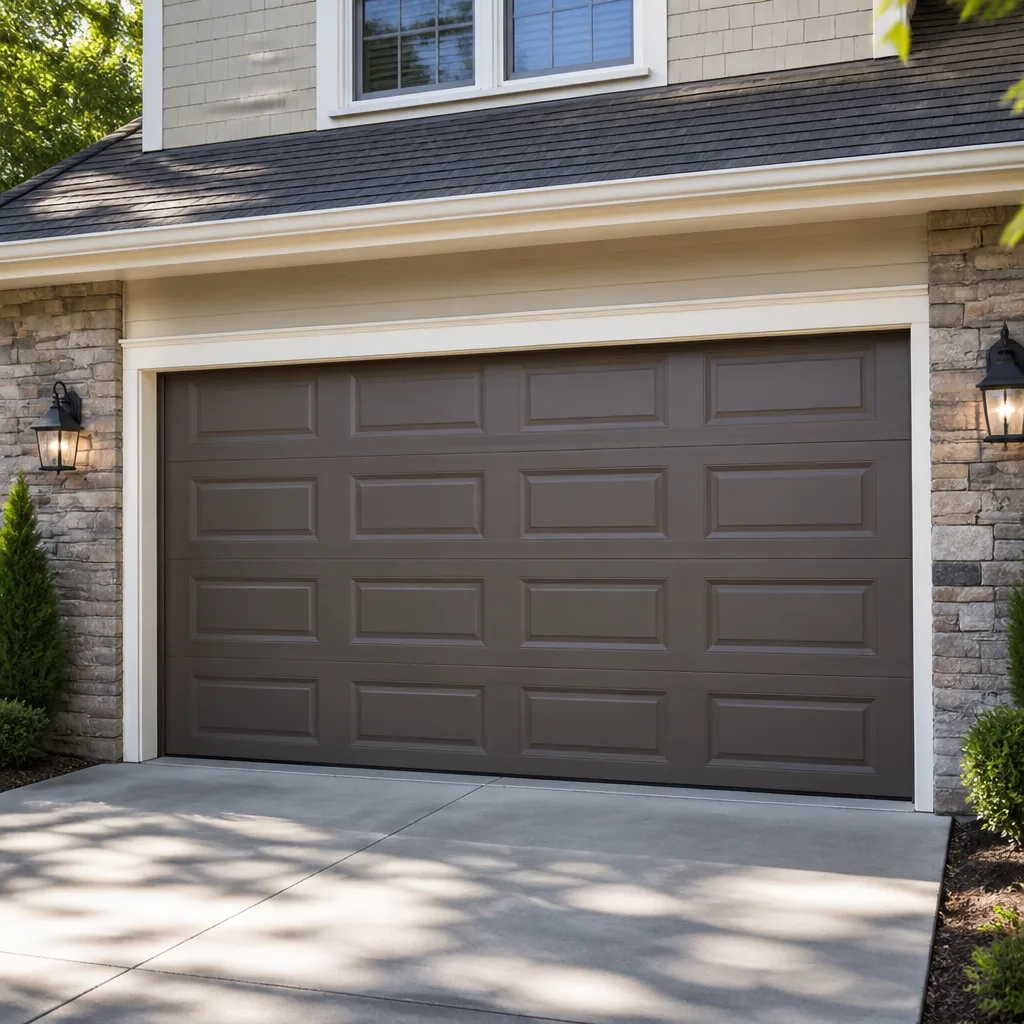 Raised-panel steel
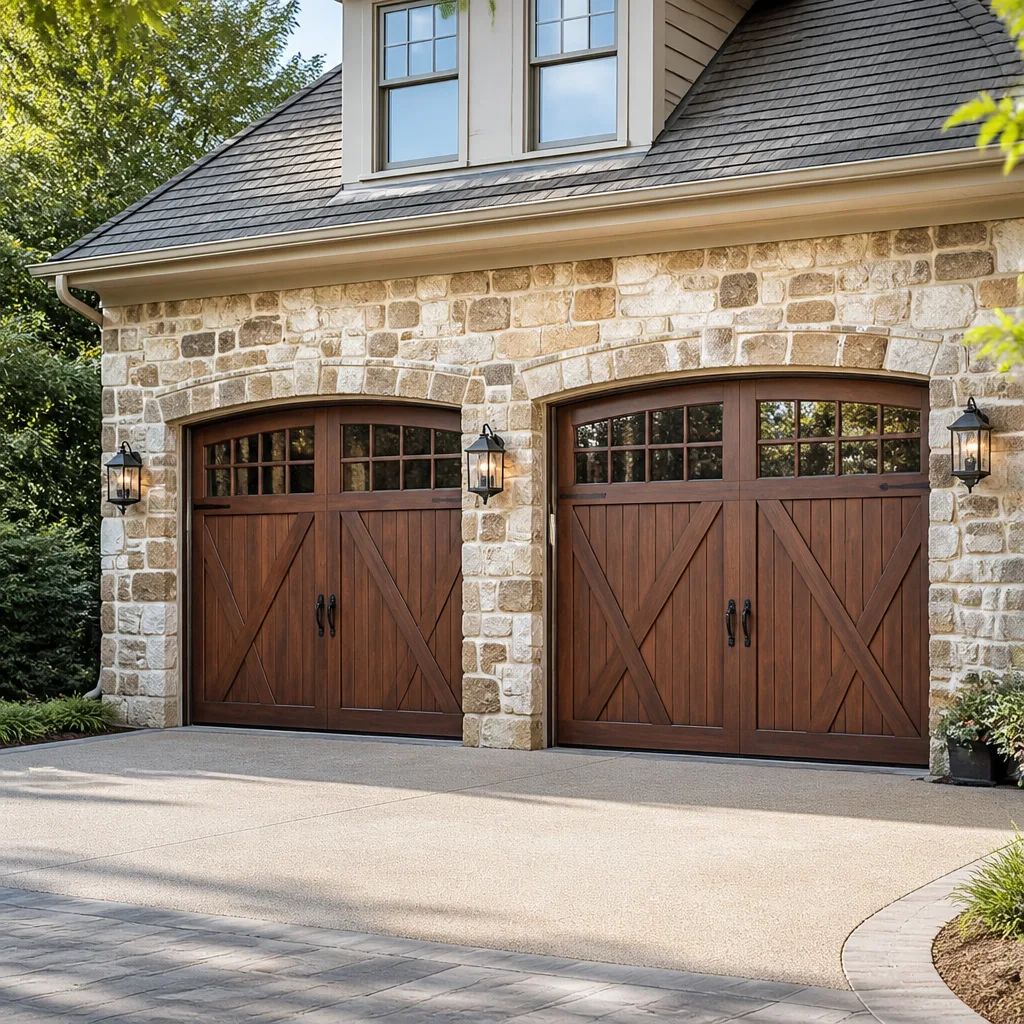 Carriage house
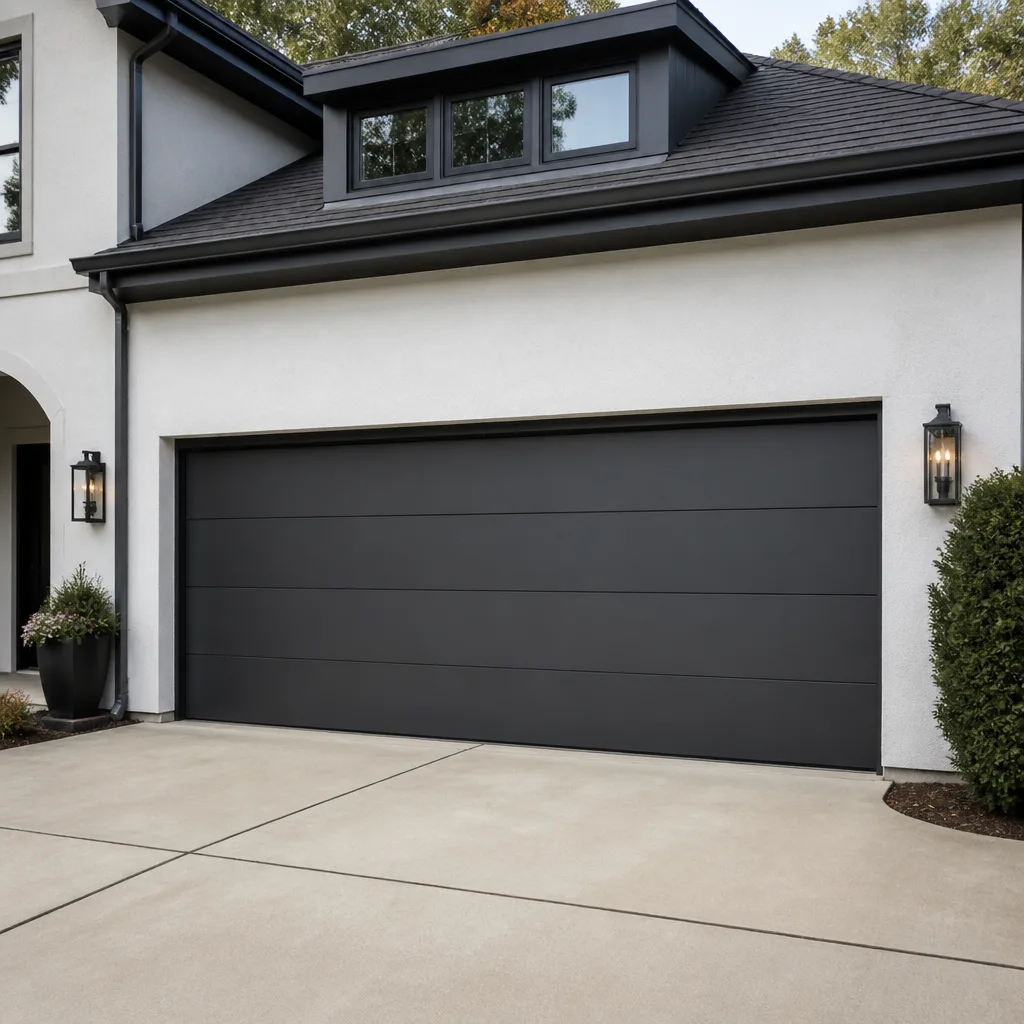 Modern flush
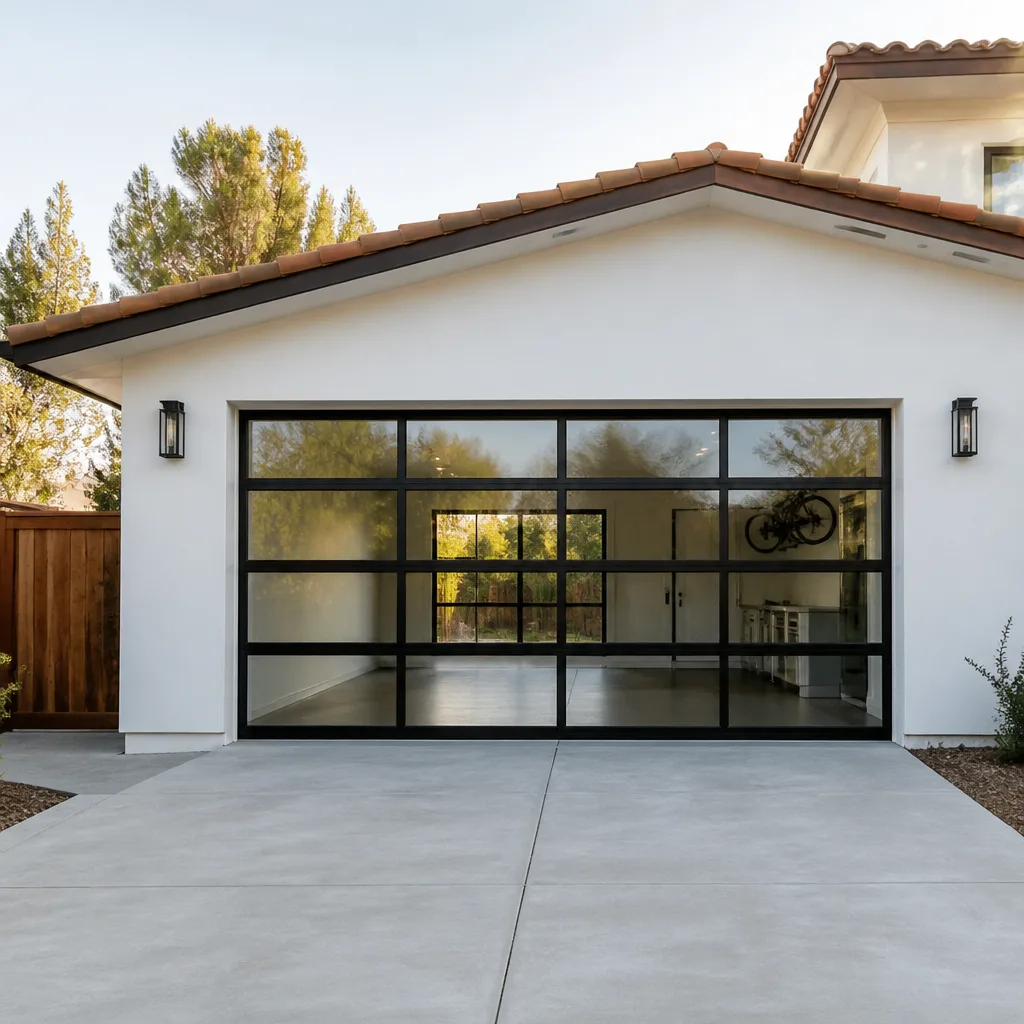 Full-view glass
 LiftMaster openers
 Chamberlain openers
Full 25-point door and opener safety check with every visit - springs, cables, rollers, tracks, and your LiftMaster or Chamberlain opener included
You get a price before we start. It does not change when the pro arrives.
Get your free estimateGarage Door Permits, Codes & Inspections in Toms River, NJ: What You Need to Know
Replacing a garage door panel rarely needs a permit. Widening the opening by four inches to fit a new double door is a different job entirely – that’s a structural alteration, and it can require a building permit, an inspection, and possibly an engineered header drawing before anyone touches the framing. Most Toms River homeowners assume the whole category is paperwork-free and get surprised when a township inspector posts a stop-work notice mid-renovation. This guide maps exactly when Toms River Township and the New Jersey Uniform Construction Code require a permit for garage door work, what an inspector actually looks at, how Ocean County flood zones change your door specs, and how to pull your own permit when you need one. We’re a Toms River garage door company, so we deal with these questions on real jobs.
Quick Answer
In Toms River, a straight garage door replacement – same size, same opening, no structural change – typically does not require a building permit. You do need one when the work changes the structure (widening or raising the opening, cutting or replacing a header, altering load-bearing framing), when you add a new electrical circuit for an opener, or when you modify a fire-rated assembly in an attached garage. Wind-load and auto-reverse requirements under the New Jersey Uniform Construction Code and ANSI/DASMA 102 still apply to the door itself even when no permit is filed.
Styles & brands we work with
- Raised-panel steel
- Carriage house
- Modern flush
- Full-view glass
- LiftMaster openers
- Chamberlain openers
Table of Contents
- When does garage door work need a Toms River Township permit?
- What does the NJ Uniform Construction Code require of a garage door?
- How do Ocean County flood zones change garage door specs?
- What does an inspector check during a garage door project?
- How do you pull your own permit in Toms River Township?
- What documents should a contractor provide for the application?
- Common mistakes to avoid
- When to call a professional
When does garage door work need a Toms River Township permit?
A like-for-like door swap usually doesn’t. The triggers are specific, and they all come down to whether you’re changing the building or just replacing a component inside it. Here’s how the line gets drawn in Toms River.
Permit usually not required:
- Removing an old sectional door and installing a new one of the same size in the existing opening
- Replacing a torsion or extension spring, cables, rollers, hinges, or track
- Swapping an opener for a new unit wired to the existing circuit
- Replacing damaged panels with matching or equivalent sections
Permit typically required:
- Widening, narrowing, raising, or lowering the rough opening
- Cutting, reinforcing, or replacing a structural header or jack studs
- Changing from a single door to a double, or converting a wall section to a new opening
- Running a new dedicated electrical circuit for a smart opener or adding an outlet inside the garage
- Modifying a fire-rated wall or ceiling assembly in an attached garage (the separation between garage and living space)
- Any change that affects the structural integrity of the exterior wall
The tricky ones are the “while we’re in there” jobs. A homeowner decides a new Clopay double door would look better than the single, and suddenly the header has to be re-engineered, the opening widened, and the whole thing lands in permit territory. That’s not a door swap anymore – it’s a structural alteration, and Toms River Township treats it that way. If you’re ever unsure whether your job crosses the line, a five-minute call to the township building department settles it before any material gets ordered.
What does the NJ Uniform Construction Code require of a garage door?
The New Jersey Uniform Construction Code sets the baseline for every garage door installed in the state, permit or no permit. Three requirements come up most often in Toms River.
Wind-load ratings
New Jersey’s code references design wind speeds by region, and a garage door is a large, flat surface that catches wind load just like a wall. A door rated for a lower wind speed than the site requires can fail in a storm, so the door you buy has to be rated for the design pressure at your address. Door manufacturers publish wind-load ratings for each model, and you’ll want to confirm the rating before purchase, not after delivery. In Toms River, the required rating depends on the specific site and the door size; the township building department can tell you what applies to your property.
R-value minimums for conditioned spaces
If your garage is inside the home’s thermal envelope (heated, cooled, or used as living space), the door separating it from the outside has to meet an insulation requirement. That’s where R-value comes in. An uninsulated steel door and an insulated Clopay or Amarr door are different products with different R-values, and the code sets a floor. If your garage is unconditioned, this doesn’t apply the same way, but it’s still worth asking before you buy – a well-insulated door helps in Toms River’s cold winters regardless of what the code requires.
Auto-reverse compliance under ANSI/DASMA 102
Every residential garage door opener sold in the U.S. must comply with the safety standard that covers entrapment protection, which is where the auto-reverse feature comes from. The opener must reverse when it meets an obstruction on the close cycle, and the photo-eye system must be mounted, aligned, and functional. This is checked on any final inspection of the door or opener. If you’re installing a new Genie or LiftMaster unit, the installation has to leave the safety system working exactly as designed, not bypassed or taped over.
How do Ocean County flood zones change garage door specs?
Ocean County has substantial floodplain, and Toms River properties near the water sit in FEMA-designated zones that affect what door you can install and how it has to be anchored. The two designations that matter most for garage doors are AE and VE.
AE zones are areas with a defined base flood elevation and moderate wave action. Homes here typically need flood-resistant materials below the base flood elevation, and the garage door on a ground-level opening is one of the components that gets scrutinized. A standard steel door can corrode or deform after a flood; a flood-rated door with proper anchoring and breakaway or venting provisions is what many AE-zone homes need. Talk to the township about whether your door needs to be rated, and if the home has been substantially improved, that threshold matters too.
VE zones carry higher wave action and stricter requirements. Garages in VE zones often need openings designed to let water pass through or break away rather than resist it, because resisting floodwater at that energy level can push a wall over. That’s a design question, not a product question, and it usually requires input from a licensed design professional and coordination with the township.
What this means in plain terms: if your Toms River home is in a mapped flood zone, don’t assume the door you picked online is the right spec. Confirm the requirement with the building department before ordering. The door is the last thing you want to re-buy.
What does an inspector check during a garage door project?
If your project does require a permit, you’ll see the inspector at least once, and possibly twice – a rough-in inspection before the walls close up, and a final inspection when the job is done. Here’s what each stage covers.
Rough-in inspection (structural and framing)
- Header size and species match the approved plans or the engineered drawing
- Jack studs and king studs are sized and installed correctly around the new opening
- Framing connections and fasteners meet the plan
- Sheathing and weather barrier details around the opening match what was approved
- If a new electrical circuit was run, the rough wiring is inspected before drywall
Final inspection
- The door is the model and rating specified on the approved application
- Track, brackets, and anchors are properly secured to the structure
- The door opens and closes smoothly under normal operation
- Auto-reverse and photo-eye safety systems function as designed
- Fire-rated separation between garage and living space is intact (attached garages)
- Final electrical connections are complete and covered
In our experience, most delays we see come from the door arriving in a different configuration than what was permitted, or from the fire-separation detail being missed on an attached garage. Catching both before the final inspection saves a return trip.
How do you pull your own permit in Toms River Township?
Homeowners can often pull their own permit for residential work on an owner-occupied home, but it’s a specific process and it helps to know the shape of it before you walk in.
- Call the township building department to confirm what your job needs. Describe the exact scope – “replace a same-size door” and “widen the opening by four inches” are different jobs to the person on the phone.
- Get the application form from the building department (many New Jersey towns also post forms online).
- Gather your supporting documents: a scope of work, the door spec sheet with wind-load and R-value information, and an engineered drawing if the opening is being altered. If a licensed design professional prepared drawings, include them.
- Fill out the application accurately. Match the door model and rating to the spec sheet. If you’re adding an electrical circuit, note it – the electrical subcode applies.
- Pay the fee and submit. Fees are set by the township and typically based on the value of the work; ask at the counter for the exact amount.
- Wait for the permit to be issued before starting work. This is the step people skip, and it’s the one that gets a stop-work notice posted.
- Schedule the rough-in and final inspections through the township once the work reaches the right stages.
For a straightforward same-size replacement, most Toms River homeowners never touch this process because no permit is required. For a structural change, the process above is worth following carefully – or handing to a contractor who’s done it many times.
What documents should a contractor provide for the application?
If you’re hiring out the work and a permit is required, your contractor should be ready to supply the paperwork that supports the application. Ask for these up front.
- Door specification sheet from the manufacturer, showing model, size, wind-load rating, and R-value
- Installation instructions from the manufacturer, which the inspector often wants to see
- Engineered drawings if the opening is being altered and the township requires them
- Proof of the contractor’s registration with the New Jersey Division of Consumer Affairs (New Jersey requires home improvement contractors to register)
- A written contract and scope of work that matches the permit application
You don’t have to know how to read a load table to ask for these. The point is that a contractor who handles garage door work regularly will have them on file and can send them the same day. If a contractor hesitates when you ask for a spec sheet, that tells you something about how the inspection is likely to go.
Does a new garage door opener need a permit in Toms River?
Replacing an opener on an existing circuit usually doesn’t, but a new dedicated circuit does. The electrical subcode kicks in whenever you’re running new wiring from the panel, adding an outlet inside the garage, or installing a smart opener that needs its own power. In those cases, the electrical work is inspected separately from the door itself.
If you’re upgrading to a Wi-Fi-connected Genie or LiftMaster unit and the existing wiring is already in place and adequate, the swap stays in the no-permit category. If the garage has been running on an extension cord or a shared circuit, that’s a different conversation – and one worth having before installation day. Electrical work inside a garage is not a DIY job we’d recommend; bring in a licensed electrician if new circuits are involved.
Common Mistakes to Avoid
- Assuming a size change is a simple swap. Going from a single door to a double isn’t a door purchase, it’s a structural project. Get the scope confirmed with the township before you order the door, or you’ll be storing it in the garage instead of installing it.
- Ordering a door that doesn’t match the permitted spec. If the permit says a door with a specific wind-load rating, the delivered door needs to match. Inspectors check.
- Forgetting the fire-rated assembly in an attached garage. The wall and ceiling between an attached garage and the living space has a fire-separation requirement. Patching around a new opening without preserving that detail is the most common final-inspection fail we see.
- Buying online before checking flood-zone requirements. If a Toms River property sits in an AE or VE zone, the door spec is set by more than looks. Confirm first, purchase second.
- Letting a contractor start before the permit is issued. A stop-work notice freezes the whole job, and the clock doesn’t restart until the paperwork clears. Ask for the permit number before installation day.
- Skipping the spec sheet request. If a contractor can’t produce the manufacturer’s spec sheet and installation instructions, that’s a yellow flag for the inspection and for the quality of the install.
- Assuming all of Ocean County has the same rules. Toms River Township has its own building department and process. What worked for a neighbor in a different town may not be the same here.
When to Call a Professional
Some of this you can sort out yourself. The permit questions are usually a phone call to the township. But structural work around the opening, torsion spring replacement, cable and track work, and the electrical side of a new opener are jobs where the risk to a person or a building is real. A torsion spring under load can cause serious injury if it lets go during a DIY attempt; we’ve written a full guide on garage door spring repair that explains why we won’t walk a homeowner through that one over the phone. If your door is stuck, the opener is failing, or you’re deciding between a repair and a full replacement, our garage door repair and garage door opener repair teams handle the mechanical side. Toms River Garage Door Repair Co offers free estimates in Toms River – call (877) 792-5709.
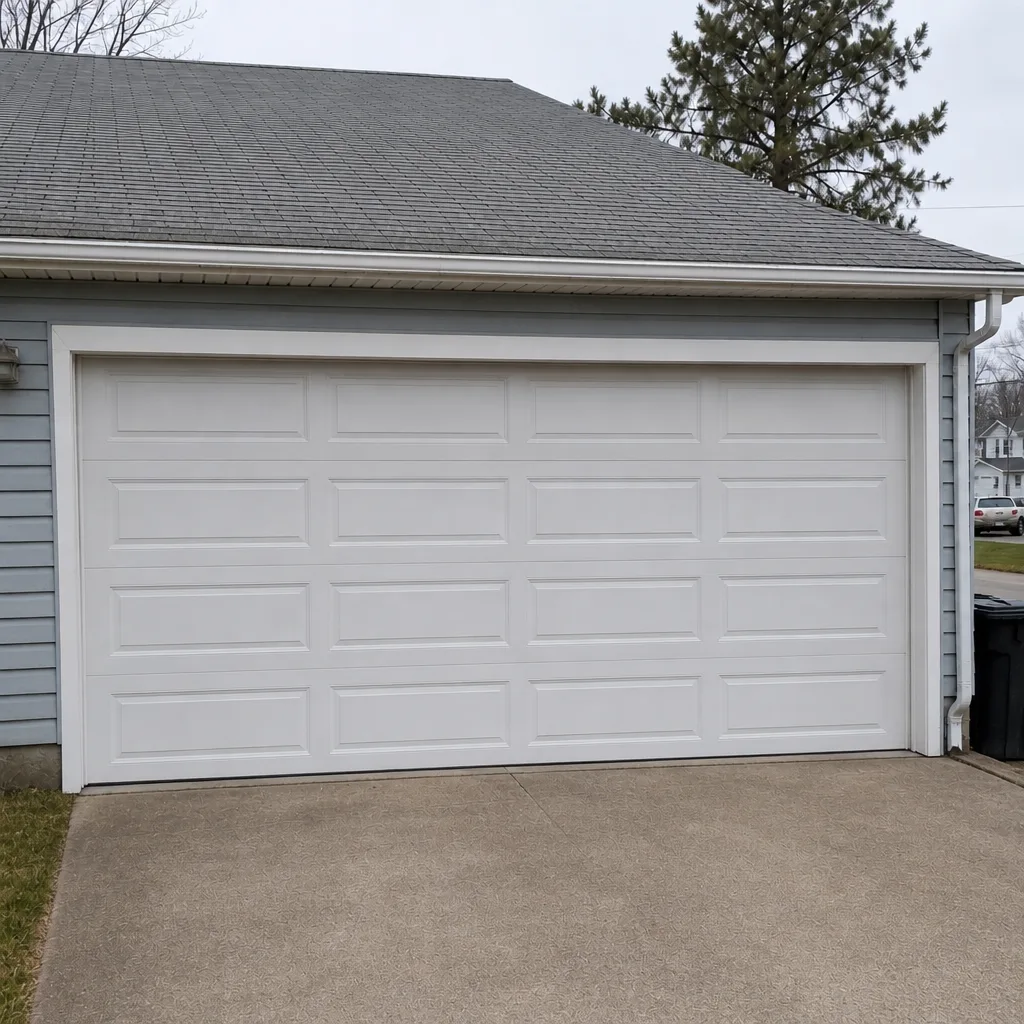
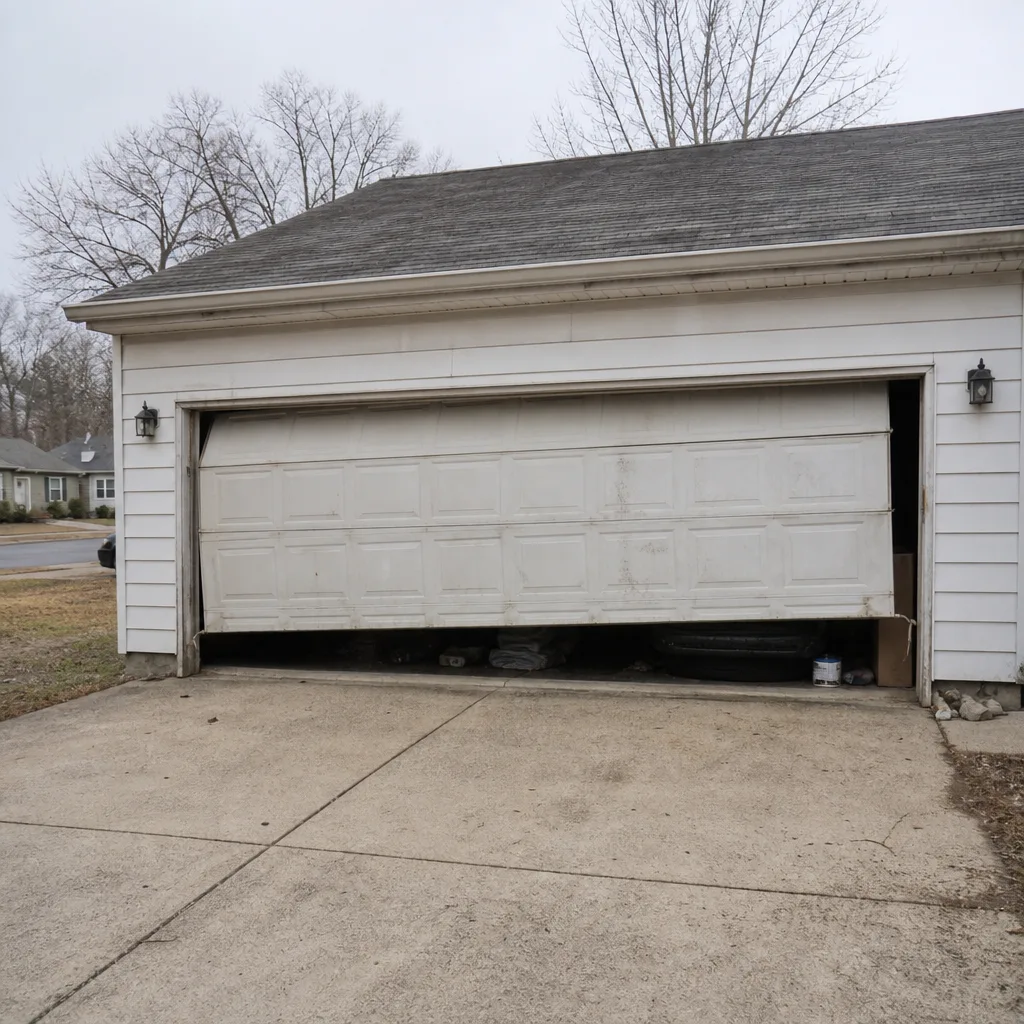
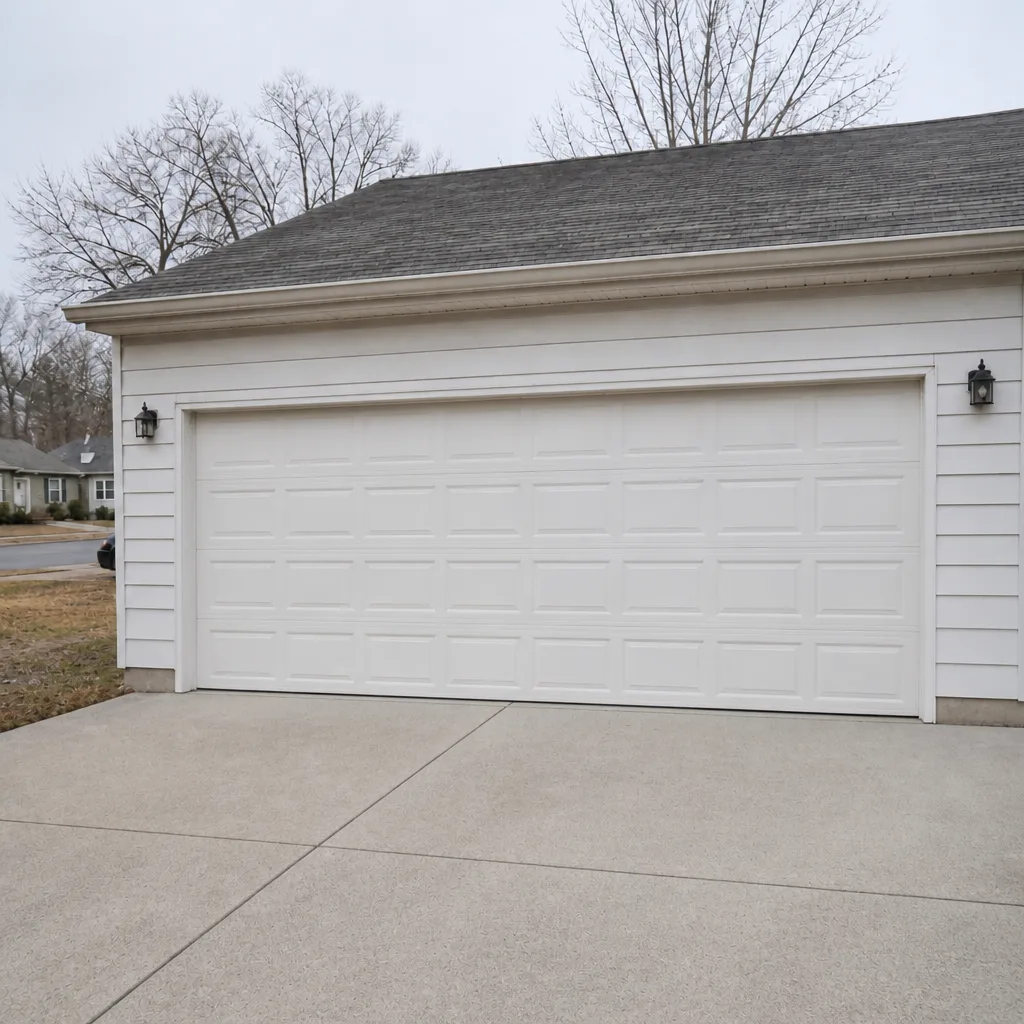
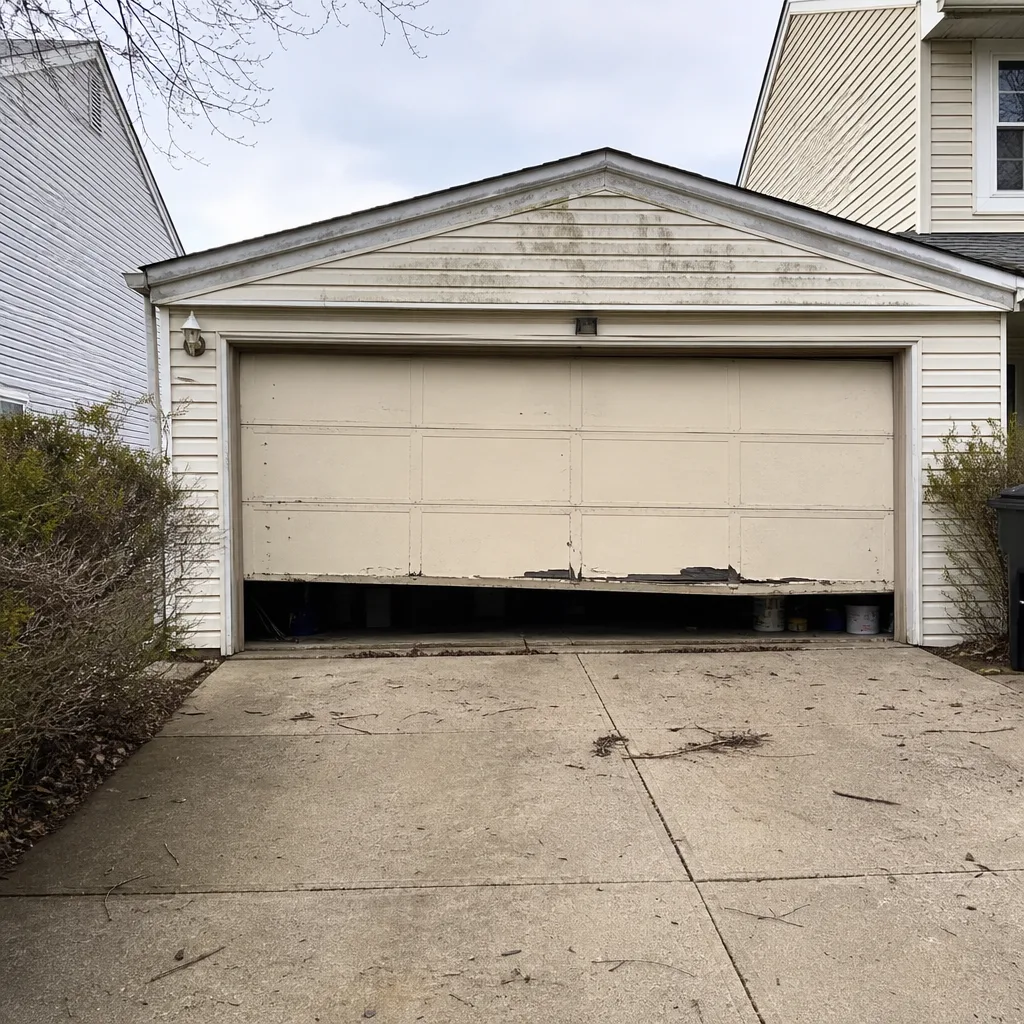
See the difference
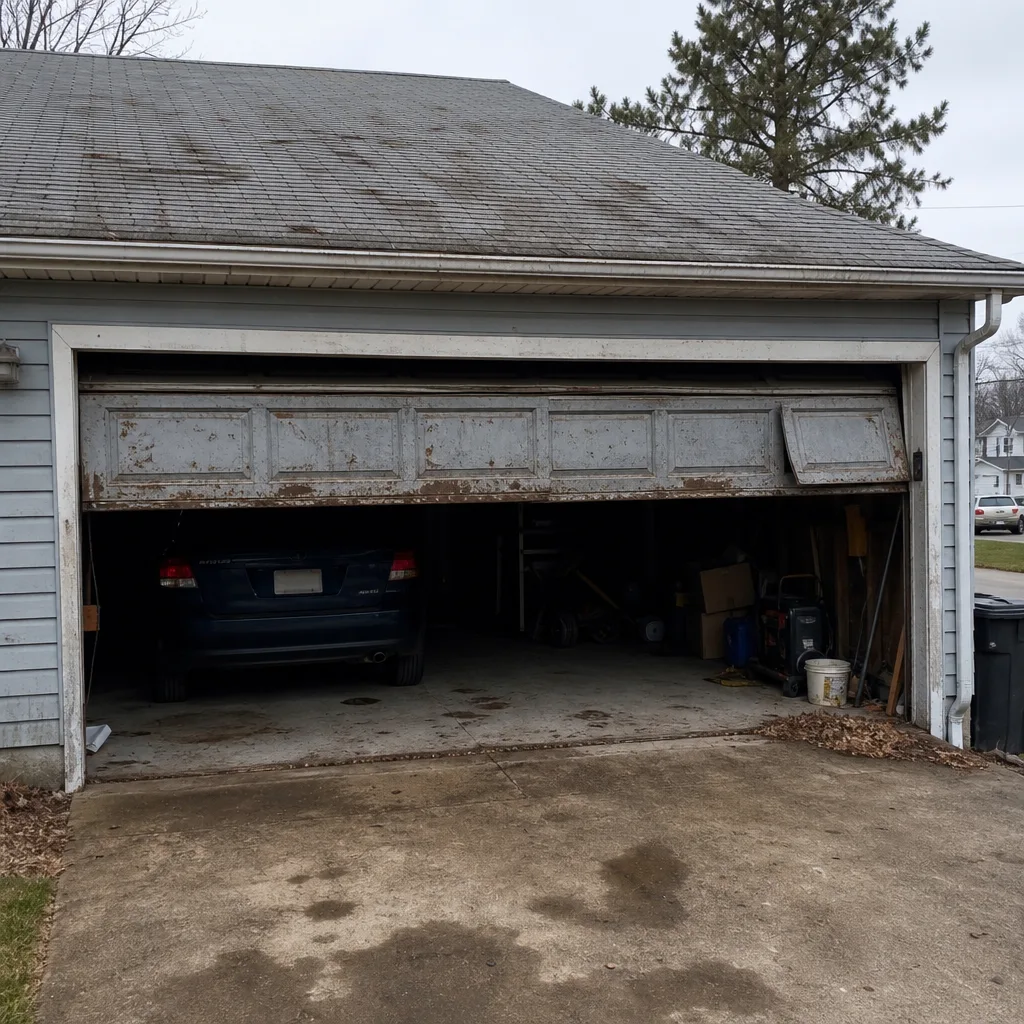 Before
 After
 Before
 After
 Before
 After
Frequently Asked Questions
Usually no, as long as the new door is the same size and goes into the same opening with no structural changes. A permit becomes necessary when the opening is altered, the header is changed, a new electrical circuit is added, or a fire-rated assembly in an attached garage is modified. When in doubt, call the Toms River Township building department and describe the exact job – it’s a short conversation that can save a lot of trouble.
Permit fees in Toms River Township are set locally and typically scale with the value of the work, so there’s no single number we can give you. Call the township building department for the exact fee for your project. If you’re also pricing the door and installation, call (877) 792-5709 for a free estimate – the door quote and the permit fee are separate line items.
Homeowners can often pull their own permit for residential work on an owner-occupied home, but the install itself is where we’d draw a line. Torsion springs, cables, and the door’s weight under load are genuinely dangerous, and a mis-installed door can fail at the worst moment. The permit is the easy part; the mechanical work is where the risk lives. We’d rather see a homeowner hire out the installation and keep the permit in their own name if they want to.
The rough-in inspection happens before the walls are closed up and covers framing, header size, fasteners, and any rough electrical. The final inspection happens when the job is complete and covers the door’s model and rating, anchoring, operation, and safety systems like auto-reverse and photo-eyes. An attached garage also gets the fire-separation detail checked at final.
It can. Homes in AE and VE zones often need flood-resistant or breakaway provisions on ground-level garage doors, and VE zones are typically stricter. The exact requirement depends on your property’s designation and whether the home has been substantially improved. Confirm with the Toms River Township building department before ordering a door, since a wrong purchase is expensive to undo.
Yes, it can, and it typically freezes the entire project until the paperwork clears. That means the door can’t be installed, the inspections can’t proceed, and the timeline slips by however long it takes to resolve. The permit fee for a legitimate structural change is almost always the cheaper path. Call (877) 792-5709 if you want a free estimate on the door and installation side.
More on What Happens When the Door Fails
Codes and permits aside, garage door problems don’t wait for a convenient moment. A failed spring leaves the door deadweight, a snapped cable can drop one side, and an opener that won’t respond means the car is trapped. That’s why emergency garage door service is a real category for us, not a marketing line – when a Toms River door fails, we can be out to restore function and security. Every service we do is on a garage door; we don’t split time across handyman work or unrelated trades. Our technicians have up to 14 years of experience, and we’re equipped to service equipment from LiftMaster, Chamberlain, Genie, Clopay, Amarr, Wayne Dalton, Craftsman, and Raynor. If you’re deciding between repair and replacement, start at Toms River Garage Door Repair Co and we’ll walk you through the options.
The Bottom Line
Most garage door replacements in Toms River don’t need a permit, and most homeowners never file one. The exceptions are what matter: structural changes to the opening, new electrical circuits for openers, and modifications to fire-rated assemblies in attached garages. If your home sits in an Ocean County flood zone, confirm the door spec before you buy. The New Jersey Uniform Construction Code still governs wind-load rating, R-value, and auto-reverse compliance even when no permit is filed, and an inspector will check all three if they do show up. When in doubt about any of it, the Toms River Township building department is the source of truth, and a five-minute call beats a stop-work notice every time. For the door itself – repair, opener, spring, or full replacement – call (877) 792-5709 for a free estimate.
Where to Go Next
If your project is moving forward, the door side and the permit side are two separate tracks, and both benefit from a professional who’s done it before. We handle garage door repair, opener repair, spring repair, and full installation across all eight major brands, so you’re not hunting down a second company when a repair turns into a replacement. If you’re comparing door options, a free measure and a written estimate give you the numbers to plan around. For anything urgent – a door off track, a spring that let go, or a home left unsecured by a door that won’t close – call (877) 792-5709 and we’ll get it handled. Free estimates on every job.
Written by the team at Toms River Garage Door Repair Co.