Last updated November 22, 2026
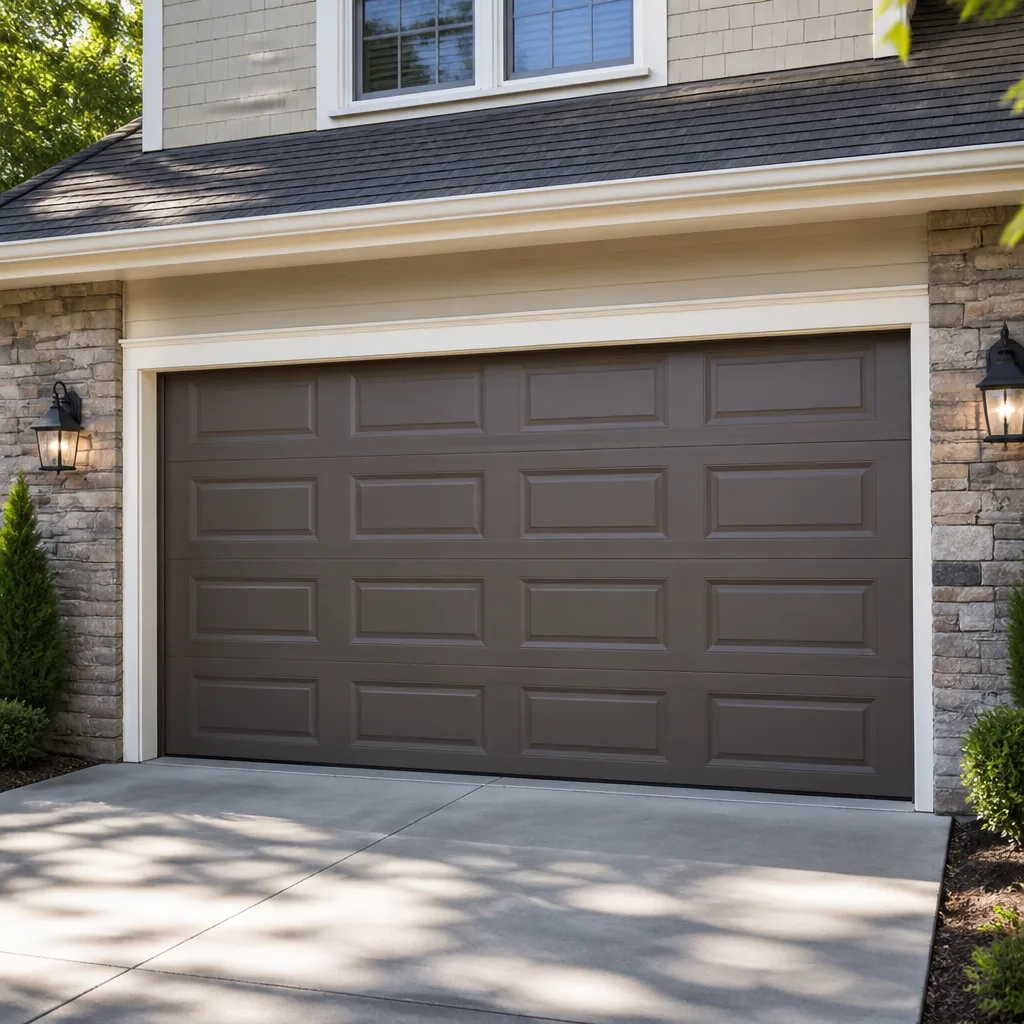 Raised-panel steel
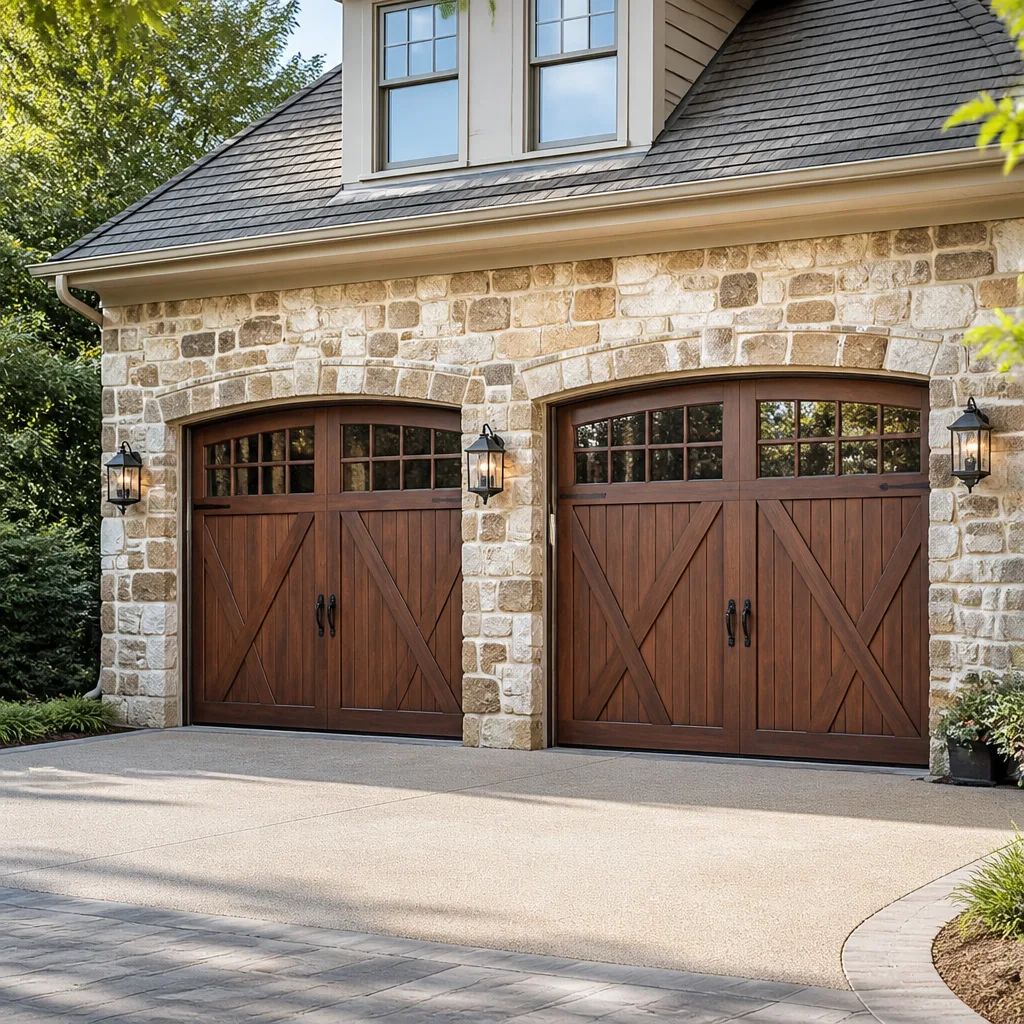 Carriage house
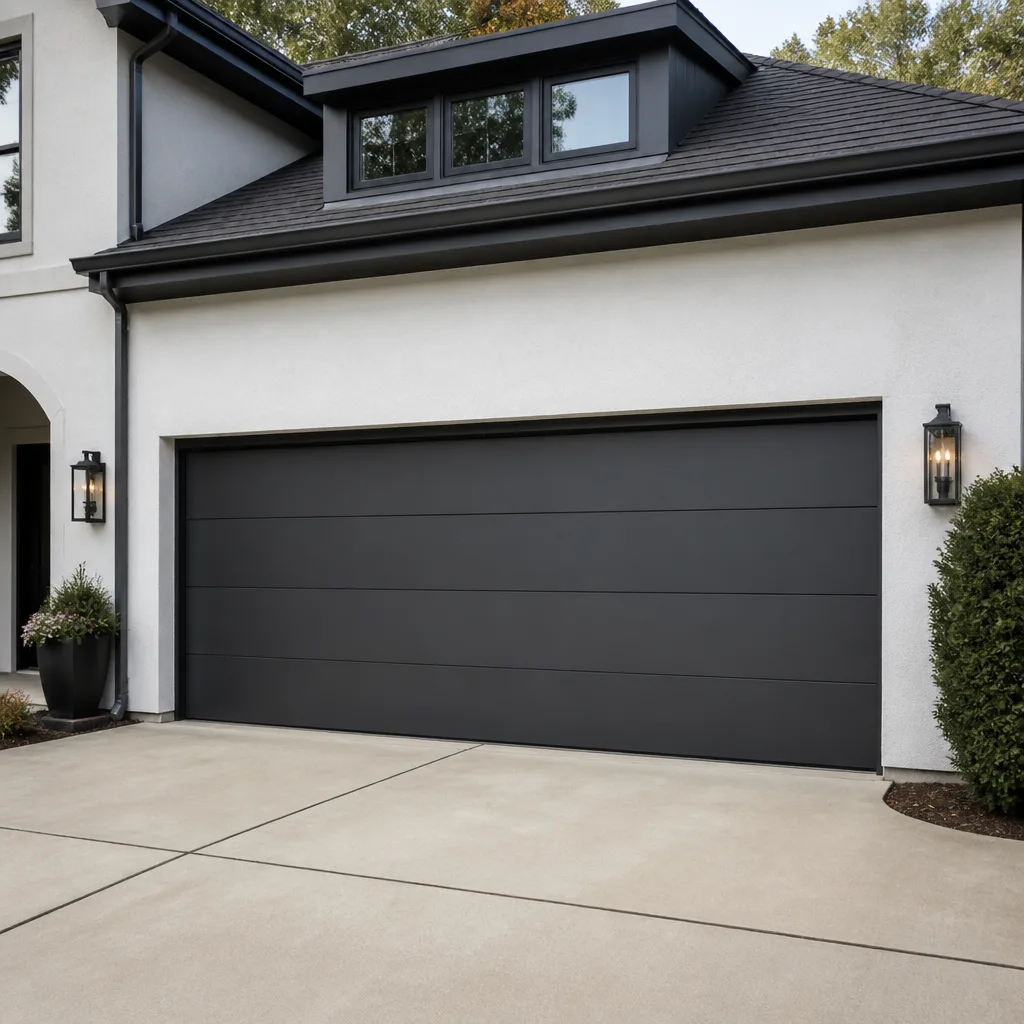 Modern flush
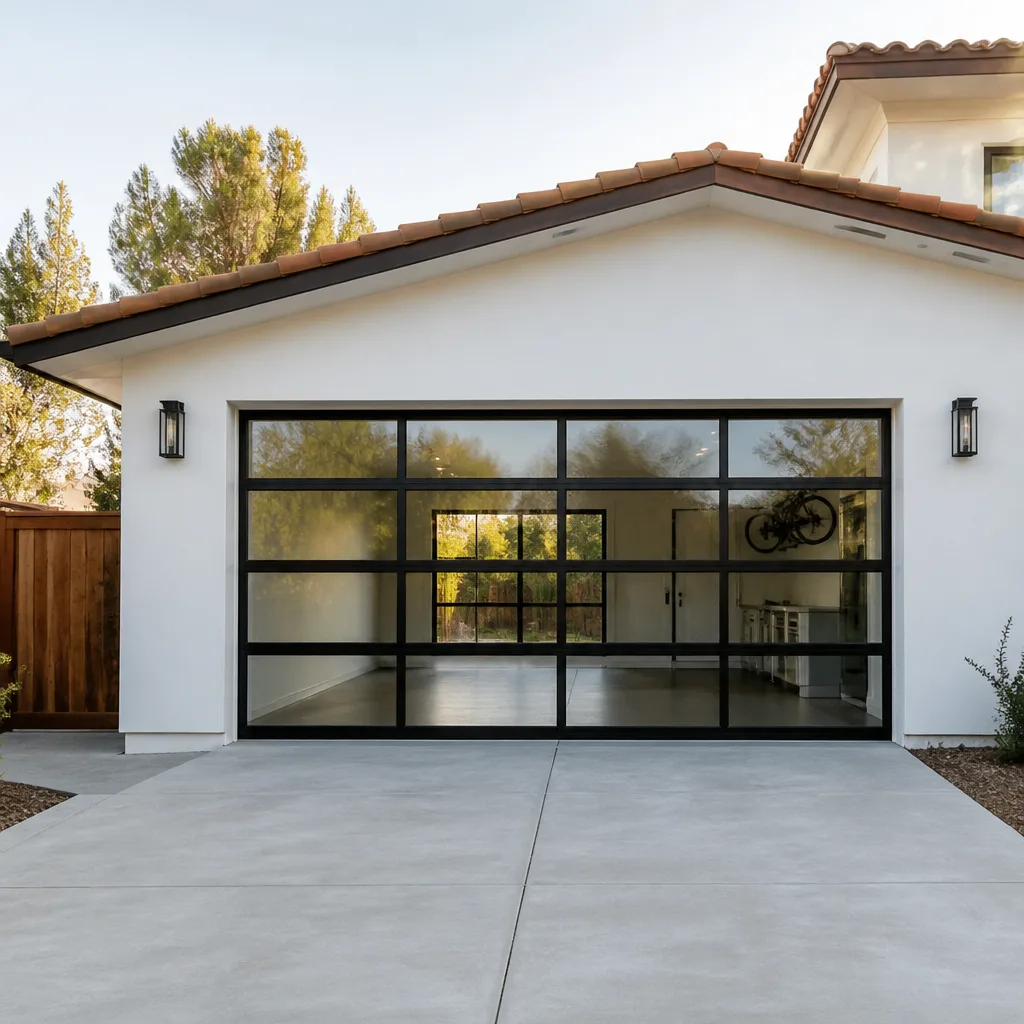 Full-view glass
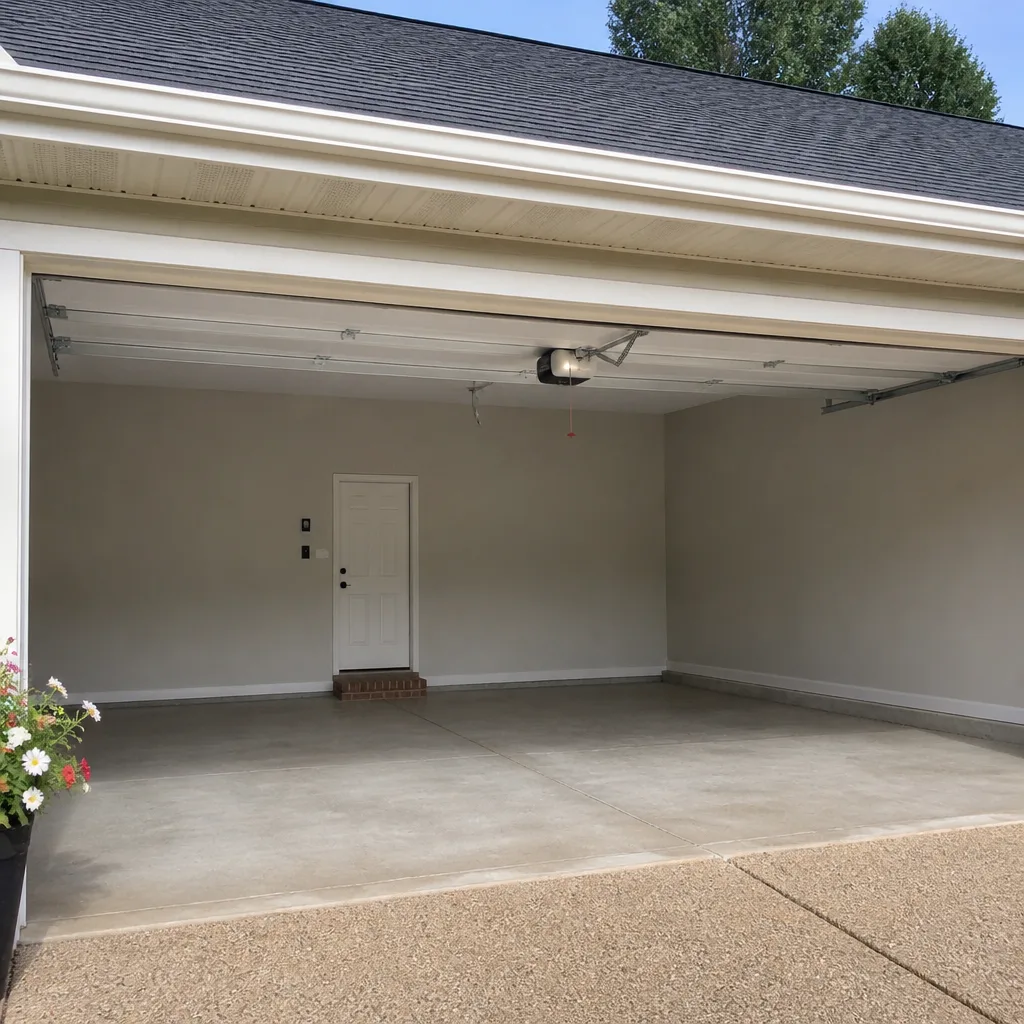 LiftMaster openers
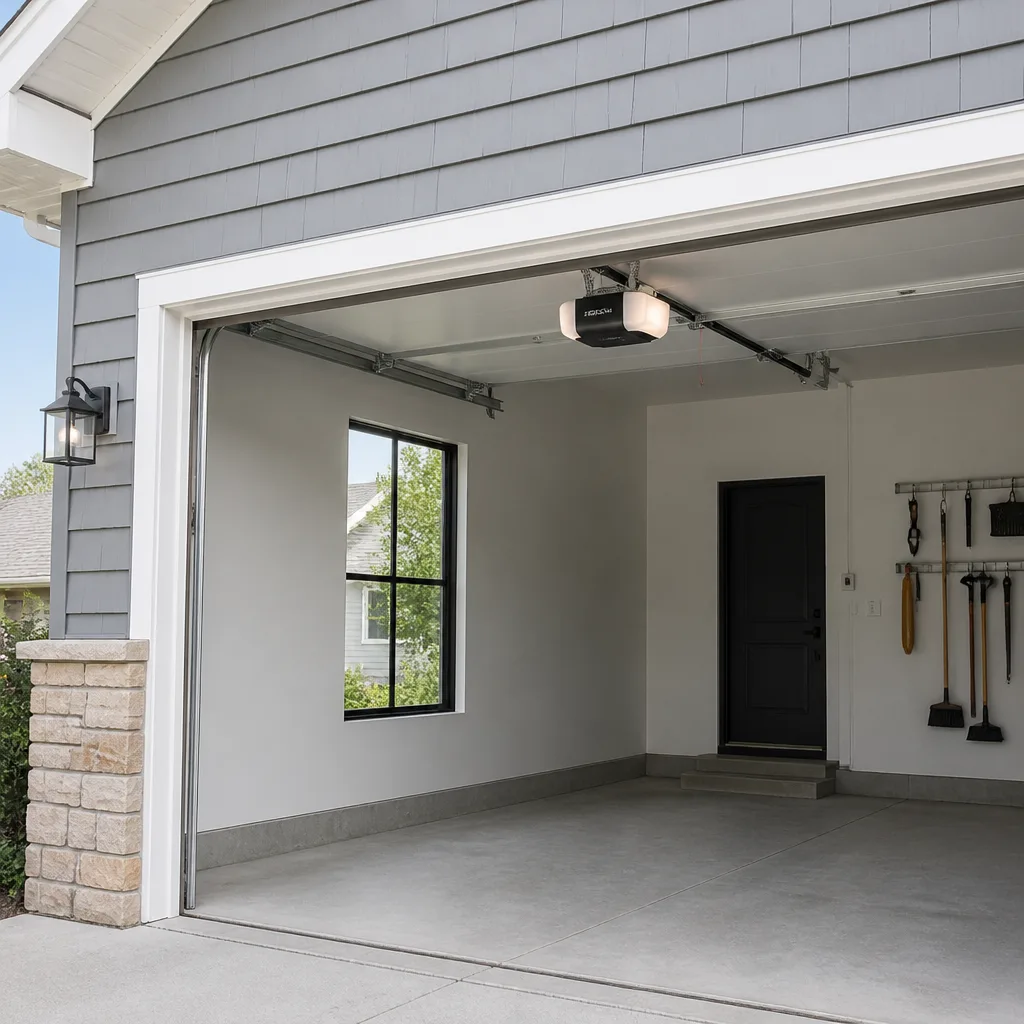 Chamberlain openers
Full 25-point door and opener safety check with every visit - springs, cables, rollers, tracks, and your LiftMaster or Chamberlain opener included
You get a price before we start. It does not change when the pro arrives.
Get your free estimateHow to Hire a Garage Door Contractor in Toms River: A Step-by-Step Guide
New Jersey doesn’t issue a garage door license. Any registered home improvement contractor can legally take apart your torsion system, and a torsion spring under tension is one of the most dangerous things in a house. That’s the gap this guide closes. You’ll learn how to verify a contractor’s registration in about two minutes, which five questions separate a garage door specialist from a generalist with a truck, and how to read a quote so the invoice matches the number you agreed to. If a spring has already snapped, skip ahead to the safety section. If you’re planning, read on. This is the same process we walk customers through across Toms River every week.
Quick Answer
To hire a garage door contractor in Toms River, verify the company’s New Jersey Home Improvement Contractor (HIC) registration on the Division of Consumer Affairs website, confirm they work on garage doors as a specialty rather than as one of many trades, and get a written, itemized estimate before anyone touches the door. Ask specifically how they handle torsion springs, what brand of parts they’ll use, and what the warranty covers. A specialist will answer all three without hesitation. A generalist usually won’t.
Styles & brands we work with
- Raised-panel steel
- Carriage house
- Modern flush
- Full-view glass
- LiftMaster openers
- Chamberlain openers
Table of Contents
- What NJ HIC registration means (and how to check it in two minutes)
- The five questions that separate a specialist from a generalist
- How to read a garage door quote
- Red flags specific to garage door work
- What an emergency call should cost in Ocean County
- Why torsion spring work deserves extra scrutiny
- Brand knowledge: what to ask about your opener and door
- Common mistakes to avoid
What NJ HIC registration means (and how to check it in two minutes)
New Jersey requires anyone performing home improvement work for a homeowner to hold a Home Improvement Contractor registration through the Division of Consumer Affairs. That registration isn’t a garage door certification. It doesn’t test spring knowledge, door weight limits, or opener wiring. It confirms the contractor has filed with the state, carries the required insurance, and can be found if something goes wrong. In a trade with no specialty license, that filing is the floor, not the ceiling.
Checking it takes less time than reading this paragraph:
- Go to the New Jersey Division of Consumer Affairs website and open the license and registration search.
- Enter the company’s legal business name, not the name on the truck.
- Confirm the registration is active and the business name matches your written estimate exactly.
- Ask the contractor for a certificate of insurance and check that the policy is current.
If a company can’t give you a legal business name, that’s your answer. In Toms River, the companies worth hiring are the ones that put their registration on the estimate without being asked. If someone knocks on your door after a storm and offers to fix a bent panel on the spot, ask for the HIC number first. A registered contractor will have it. A door-to-door crew usually won’t.
Registration also matters for your recourse. If work goes wrong and the contractor is registered, you have a paper trail through the state. If they aren’t, you’re relying on a phone number that may stop working. That’s the whole point of the two-minute check.
The five questions that separate a specialist from a generalist
A handyman can hang a door. A garage door specialist understands load math, spring cycle ratings, and how a torsion system balances a door that weighs hundreds of pounds. Here are the five questions that reveal the difference. Ask them before you book, not after.
- “Do you follow DASMA standards?” DASMA is the Door and Access Systems Manufacturers Association, the body that publishes the installation and safety standards for residential doors. A specialist knows the name. A generalist usually doesn’t.
- “What IPPT rating do you use for replacement springs?” IPPT stands for inch-pounds per turn, the measurement of a torsion spring’s torque. A real spring tech will tell you the rating and explain why the wrong one wears out fast or fails to lift the door.
- “How do you confirm door weight before ordering springs?” The correct answer involves weighing or calculating the door, not guessing from the panel count.
- “Do you service the opener and the door, or just one?” A specialist handles both, because a LiftMaster or Craftsman opener is only as good as the door it’s lifting.
- “What’s the warranty on parts, and what’s the warranty on labor?” These are two separate numbers. Anyone who quotes one number for both is either simplifying or hasn’t thought it through.
You don’t need to sound like a technician to ask these. You just need to hear whether the answers are specific or vague. In our experience, the specialists answer in detail. The generalists pivot to price. Whether your LiftMaster opener is grinding or your Clopay panel took a hit, the person on the phone should know the difference between a trolley opener and a jackshaft, and between a standard-lift and high-lift track.
One more thing to listen for: whether they ask you questions back. A specialist will want to know the door’s width and height, the approximate weight, and whether the spring is torsion or extension. A generalist will ask what’s wrong and when you want them to come.
How to read a garage door quote
The written estimate is the price. Not the phone number, not the verbal range, not the “probably around” figure. In Toms River, ask for the estimate in writing before any work begins, and read it line by line. Here’s what separates a real quote from a number on a napkin.
- Itemized parts and labor. A good quote lists the spring (or springs), any cables, rollers, and the labor line separately. A flat single number with no breakdown is harder to compare and easier to inflate.
- Parts warranty vs. labor warranty. These should be stated as two lines. Spring warranties commonly run several years; labor coverage is usually shorter. Ask what each covers and for how long.
- OEM parts by brand. If you have a LiftMaster opener or a Wayne Dalton door, ask whether the parts are OEM (original equipment manufacturer) or a compatible aftermarket equivalent. Either can be fine, but you should know which you’re getting and how the warranty reflects it.
- Disposal and haul-away. Old doors and springs don’t walk themselves to the curb. Ask whether removal is included.
- What happens if the job expands. If the tech opens the door and finds a cracked drum or a frayed cable, the quote needs a process for that: a call, a new written number, your approval, then work.
When you call us for garage door repair, we put the price in writing and agree it before the first bolt comes loose. That applies across Toms River, from the streets near the river to the neighborhoods out toward Silverton and Pleasant Plains. The estimate is the estimate. If something on the door turns out worse than expected, you hear about it before the invoice changes, not after.
Red flags specific to garage door work
Garage doors attract a particular kind of bad actor because most homeowners can’t see the mechanism from the ground. Here are the warnings worth taking seriously.
- No written warranty on spring replacement. A spring is a wear part with a known cycle life. A company that won’t put a warranty in writing isn’t confident in the spring they’re installing.
- Quoting by phone without measuring. A spring’s rating depends on door weight and height. A phone quote without those numbers is a guess dressed up as a price.
- Recommending full replacement when only the spring failed. A snapped spring is a repair, not a replacement. If a door that worked last week suddenly needs a whole new system, get a second opinion.
- Pressure to decide today. A reputable contractor will let you think about a non-emergency repair. Urgency is a sales tactic when there’s no safety issue driving it.
- No HIC number on the estimate or the truck. In New Jersey, registration is the bare minimum. If it’s missing from the paperwork, ask why.
- Cash-only with no paper trail. You want a written estimate and a receipt. Anything else leaves you with no recourse.
- A crew that won’t touch the opener. A door and its opener are one system. A company that only installs doors, or only repairs openers, will hand you off to someone else the moment the job crosses the line.
These red flags aren’t about catching someone in a lie. They’re about noticing when the process doesn’t match the trade. Garage door work is mechanical, and the people who do it well talk about it like mechanics.
What an emergency call should cost in Ocean County
An emergency garage door call in Ocean County costs more than a scheduled repair because it involves getting a technician out outside normal scheduling, usually when a door is stuck open, stuck shut, or a spring has failed and the door is unusable. What you should not accept is a number that doubles because it’s after hours and they sensed you were stuck.
Here’s how to tell a fair emergency call from price gouging in Toms River:
- Ask for the emergency rate on the phone before they come. A fair company will tell you the trip charge and the hourly rate, or the flat emergency fee, before dispatch.
- Expect a diagnosis before a repair. The technician should look at the door, tell you what’s wrong, and give you a written number before starting work. If they start wrenching without a price, stop them.
- Watch for the “it’s worse than we thought” upsell. A real emergency often reveals a second problem, like a frayed cable alongside a broken spring. The difference is whether you get a new written number and the chance to approve it.
- Beware of a van with no company name. Emergency work attracts unregistered crews. In New Jersey, that’s a red flag for a reason.
When your door won’t close at 10 PM and the house is open to the street, that’s not a tomorrow problem. We offer emergency garage door service for exactly those situations, and all Toms River Garage Door Repair Co quotes are agreed in writing before work begins. Call (877) 792-5709 and ask for the emergency rate and the diagnosis process up front. The written estimate is the number you pay.
Why torsion spring work deserves extra scrutiny
A torsion spring stores enough energy to move a door that weighs hundreds of pounds, and it does so under constant tension. When a spring lets go, it’s loud and it’s fast. This is the single most dangerous component on a residential garage door, and it’s also the most commonly botched amateur repair. That’s why spring work belongs to a specialist, not a generalist with a truck.
What a qualified spring replacement involves:
- Identifying the current spring’s wire size, inside diameter, and length.
- Confirming the door’s weight and height so the replacement has the right IPPT rating.
- Winding the new spring to the manufacturer’s specified number of turns, not by feel.
- Testing balance and travel, then checking the opener’s force settings.
- Marking the spring with its specs so the next technician knows what’s installed.
That’s what garage door spring repair looks like when it’s done right. In our experience, the spring is also where a lot of cut-rate work goes wrong: the wrong wire size, the wrong turns, and a door that chews through a cheap spring in a season. If a tech tells you they “just swap them out,” that’s your cue to ask for the IPPT rating. If they can’t give you one, they aren’t doing the job correctly.
One safety note worth repeating: don’t attempt spring or cable work yourself. The tools and the tension involved make this a job for a trained technician, every time. A door that won’t lift is inconvenient. A spring that lets go while you’re holding it is dangerous. Call a professional.
Brand knowledge: what to ask about your opener and door
Your door and opener are a matched system, and the brand on the label tells you which parts and protocols you’re dealing with. Ask any contractor which brands they service before you book. The right answer covers the majors: LiftMaster, Chamberlain, Genie, Clopay, Amarr, Wayne Dalton, Craftsman, and Raynor. If the answer is “we can figure it out,” that’s a generalist.
Brand matters for a few reasons:
- Opener repair depends on knowing the specific model’s logic board, travel limits, and safety sensor setup. A LiftMaster and a Craftsman don’t diagnose the same way.
- Door panels from Clopay, Amarr, Wayne Dalton, and Raynor have different profiles, so a replacement panel has to match the model, not just the color.
- Parts availability varies. A specialist knows which components are OEM and which are aftermarket, and can tell you the difference before you approve the quote.
Our technicians have up to 14 years of experience working across the eight major brands, and we handle garage door opener repair alongside the door itself, so you don’t get handed off mid-job. If your Wayne Dalton door needs a new opener or your LiftMaster opener needs new safety sensors, that’s one call. Ask any contractor you interview which brands they cover, and listen for whether the answer sounds like a list or like a specialty.
For a deeper look at the parent service and what full-cycle work covers, the team at Toms River Garage Door Repair Co handles repair through full installation.
Common Mistakes to Avoid
- Hiring on price alone. The cheapest quote in Toms River is often the one that skips the IPPT check and installs a generic spring. You’ll pay for it when it fails in a season.
- Skipping the HIC check. Two minutes on the Division of Consumer Affairs site tells you whether the company is registered and findable. In a trade with no specialty license, that’s the whole safety net.
- Accepting a verbal price. The written estimate is the price. A phone range and a receipt are not the same as a written quote.
- Letting a generalist touch the springs. Handymen can hang a shelf. A torsion spring is a different category of risk, and it deserves a specialist.
- Not asking about parts vs. labor warranty. If you don’t know which one covers the failure you’re worried about, ask before you approve the work.
- Replacing a whole door when only the spring failed. Get a second written opinion before you agree to a full replacement on a door that worked fine last week.
- Calling the first emergency number you find. Ask the dispatch rate and diagnosis process before they come. A fair emergency call is priced before work, not after.
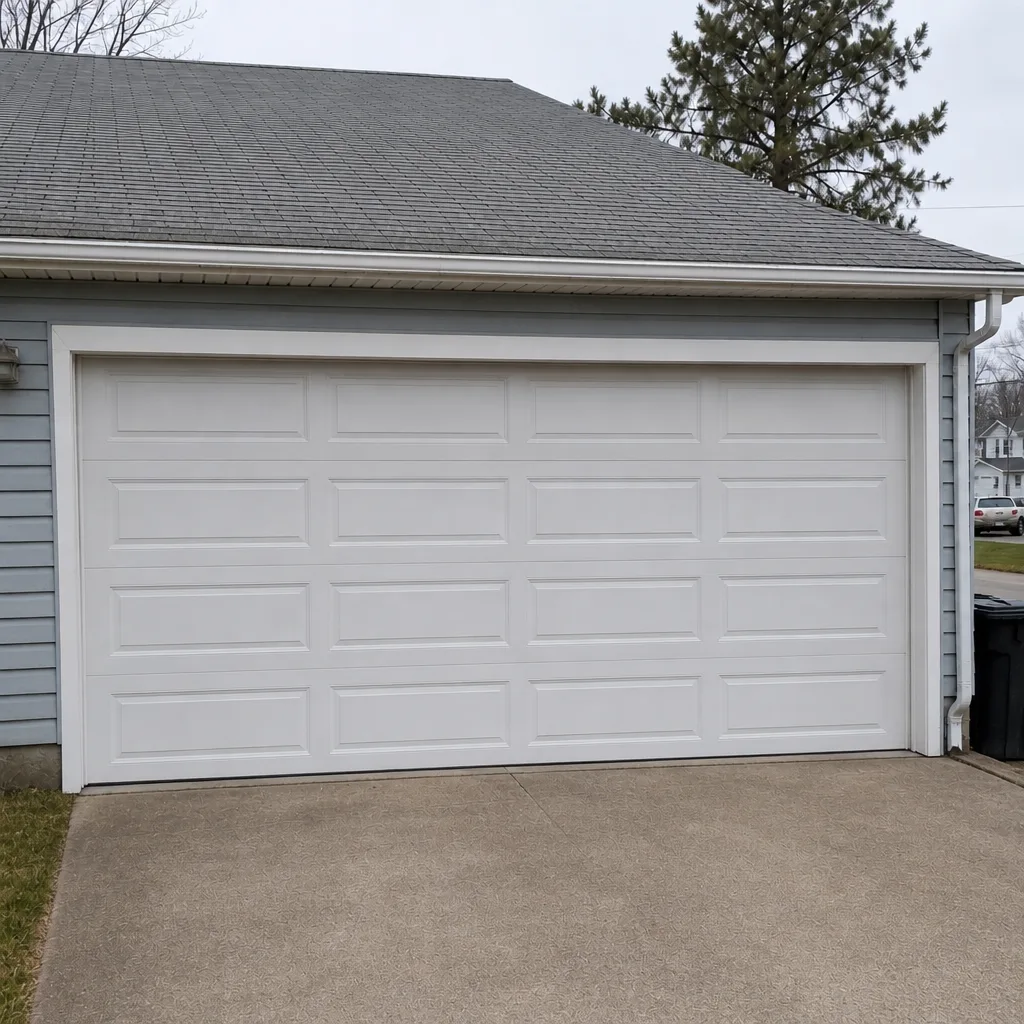
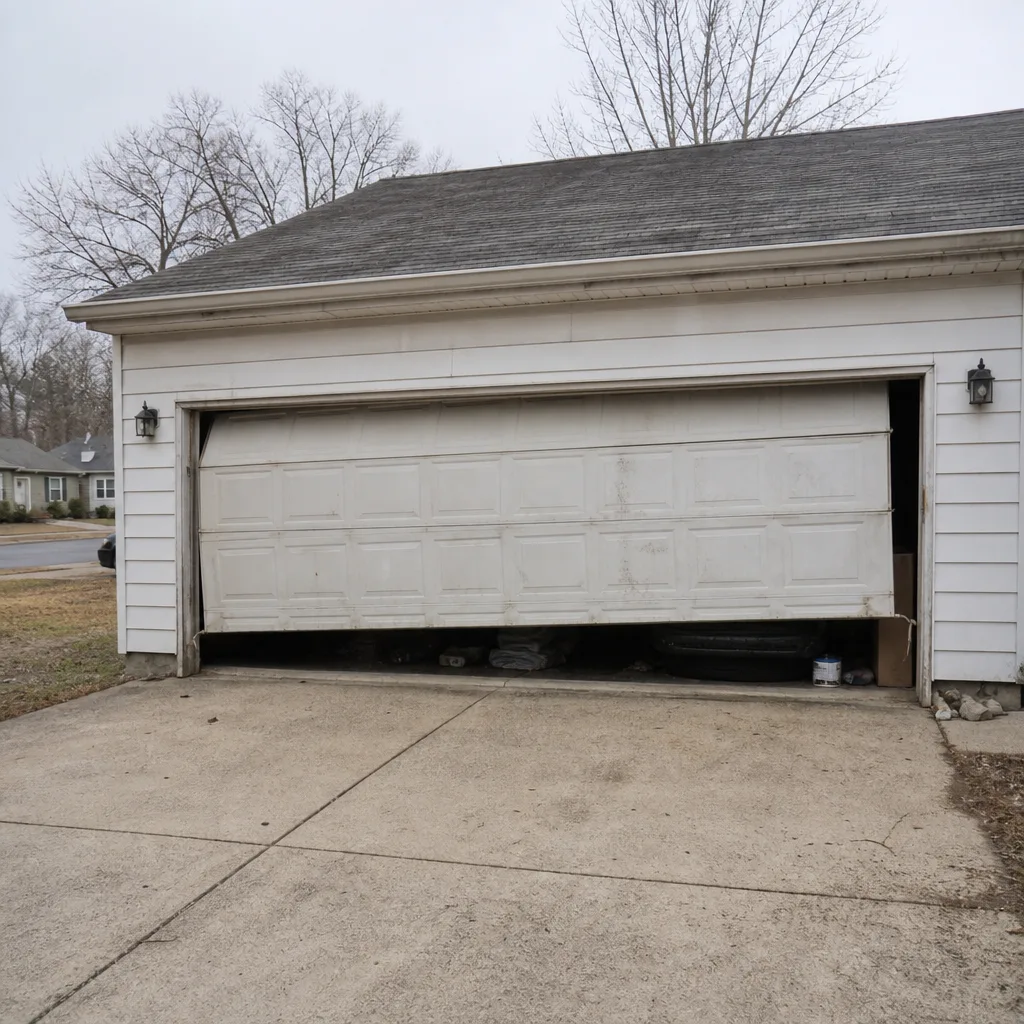
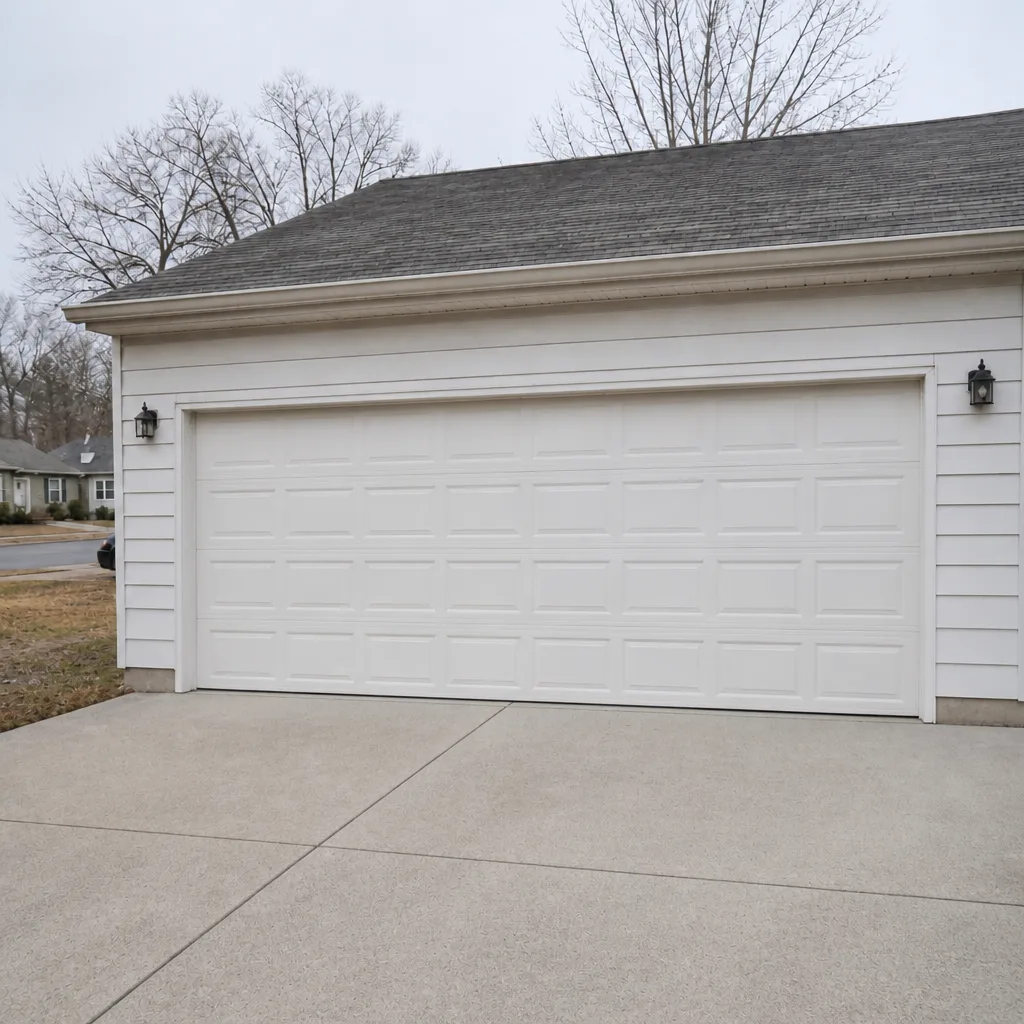
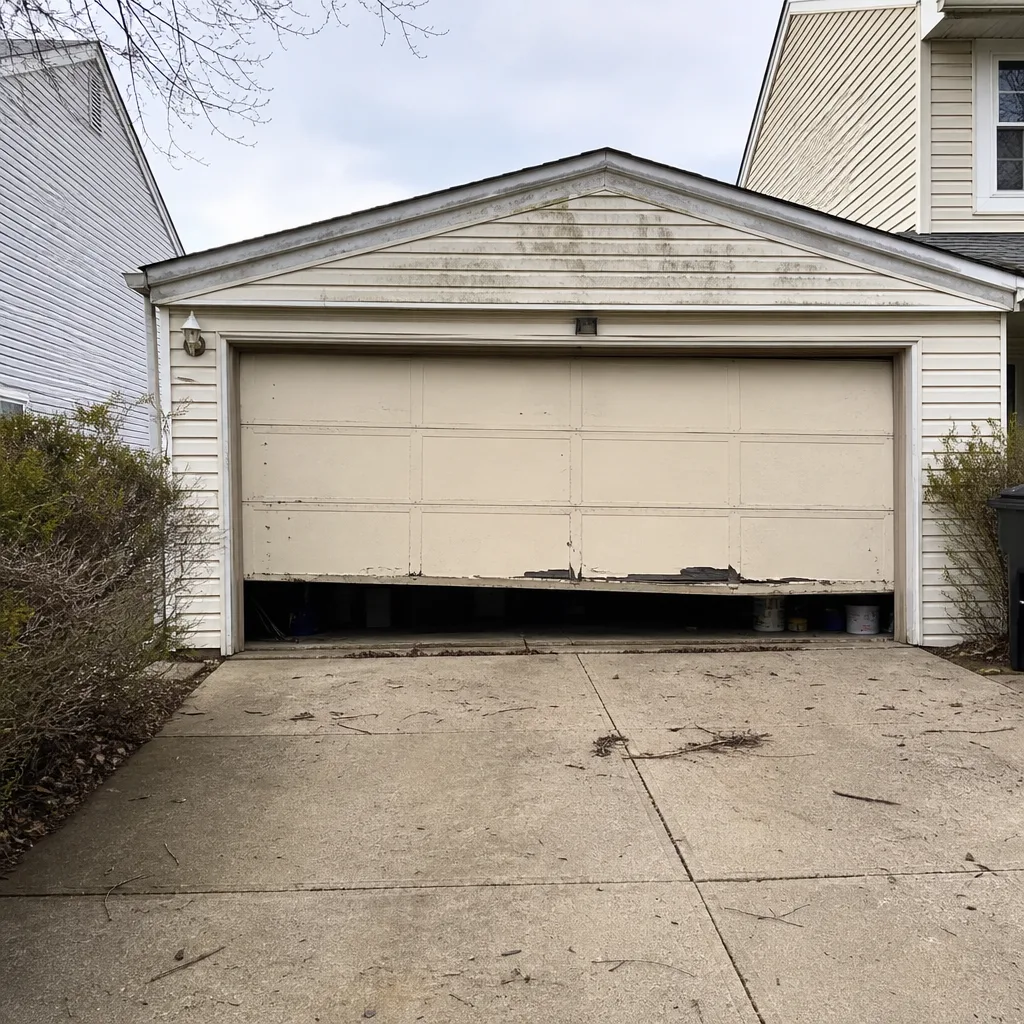
See the difference
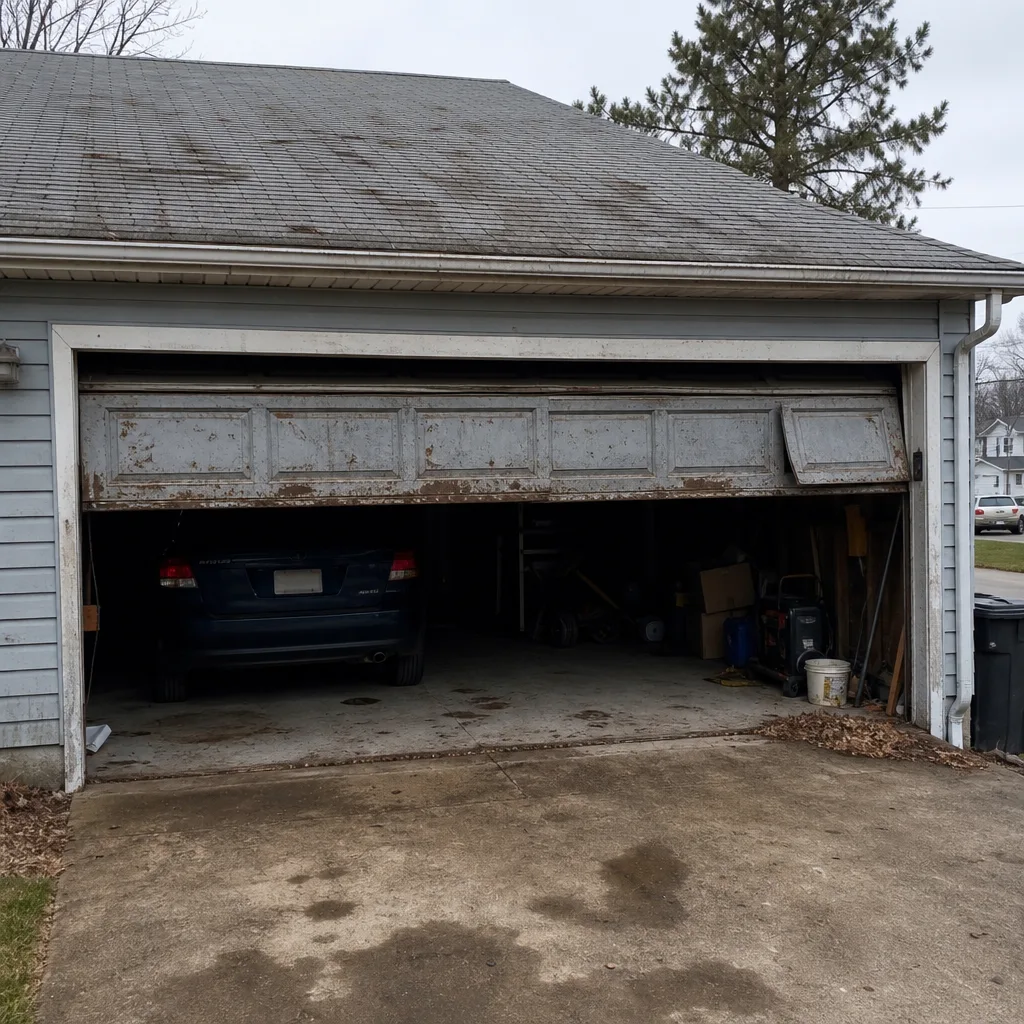 Before
 After
 Before
 After
 Before
 After
When to Call a Professional
Some garage door problems wait for a scheduled visit. Others don’t. Call a professional right away if a torsion spring has snapped, a cable has come loose, the door is hanging off one track, or the door won’t close and the house is open. A door that reverses on its own, grinds on the way down, or won’t hold its position is also a safety issue, not just an annoyance. So is a broken opener with no manual release you can safely operate. Toms River Garage Door Repair Co offers free estimates in Toms River, and we quote in writing before anyone starts. Call (877) 792-5709.
Frequently Asked Questions
Look up the company’s legal business name on the New Jersey Division of Consumer Affairs license and registration search, and confirm the HIC registration is active and matches your written estimate. It takes about two minutes. You should also ask for a current certificate of insurance. The search tells you the business is registered with the state; the insurance certificate tells you the policy is current. Both should match the paperwork you’re holding.
New Jersey doesn’t require a garage door specialty license, but it does require a Home Improvement Contractor registration, and you should verify it before hiring. That registration isn’t a garage door certification. It confirms the contractor is filed with the state. The rest of the hiring decision should come from the five questions in this guide and a written estimate. Call (877) 792-5709 for a free estimate if you want to see how those questions are answered.
A spring repair quote should list the spring or springs, any related cables or rollers, and the labor separately, with the IPPT rating stated and the warranty split into parts and labor. If the quote doesn’t name the spring specs or the warranty terms, ask. In our experience, a quote that’s missing the specs is a quote that’s guessing. The written estimate is the price, and any contractor worth hiring will put it in writing.
Legally in New Jersey, a registered home improvement contractor can, but that doesn’t mean they should. A torsion spring stores dangerous energy, and the job requires the right IPPT rating, the correct number of turns, and a balance test. Most handymen don’t carry the tools or the training. Garage doors are all we do, and that focus matters most on spring work. If a generalist offers to do it cheaper, ask what rating they’ll install and watch how quickly the answer comes.
Emergency service in Ocean County costs more than a scheduled visit, and a fair company will tell you the emergency rate on the phone before dispatch. Ask for the trip fee or flat emergency rate up front, and confirm you’ll get a written number after diagnosis and before work. A call that doubles after hours with no explanation is a red flag. Call (877) 792-5709 for the emergency rate and the diagnosis process.
A specialist should cover the major residential brands, including LiftMaster, Chamberlain, Genie, Clopay, Amarr, Wayne Dalton, Craftsman, and Raynor. That covers most systems in use today. Ask which brands they handle and whether they service both the opener and the door. A company that handles one but not the other will hand you off mid-job. Wide brand coverage is a sign of a single-trade specialist, not a generalist.
The Bottom Line
Hiring a garage door contractor in Toms River comes down to three things: verify the NJ HIC registration, ask the five questions that separate a specialist from a generalist, and get a written, itemized estimate before any work starts. The written estimate is the price, not a starting point. Watch for the red flags specific to garage door work, especially on spring repairs, and treat any quote that doubles after the fact as a reason to walk. Do those three things and the difference between a qualified specialist and a handyman with a truck becomes obvious. Garage doors are all we do, and it shows in the details.
Call Toms River Garage Door Repair Co at (877) 792-5709 for a free estimate. We quote in writing before anyone touches your door, and we’ll answer every question in this guide on the first call.
Written by the team at Toms River Garage Door Repair Co.