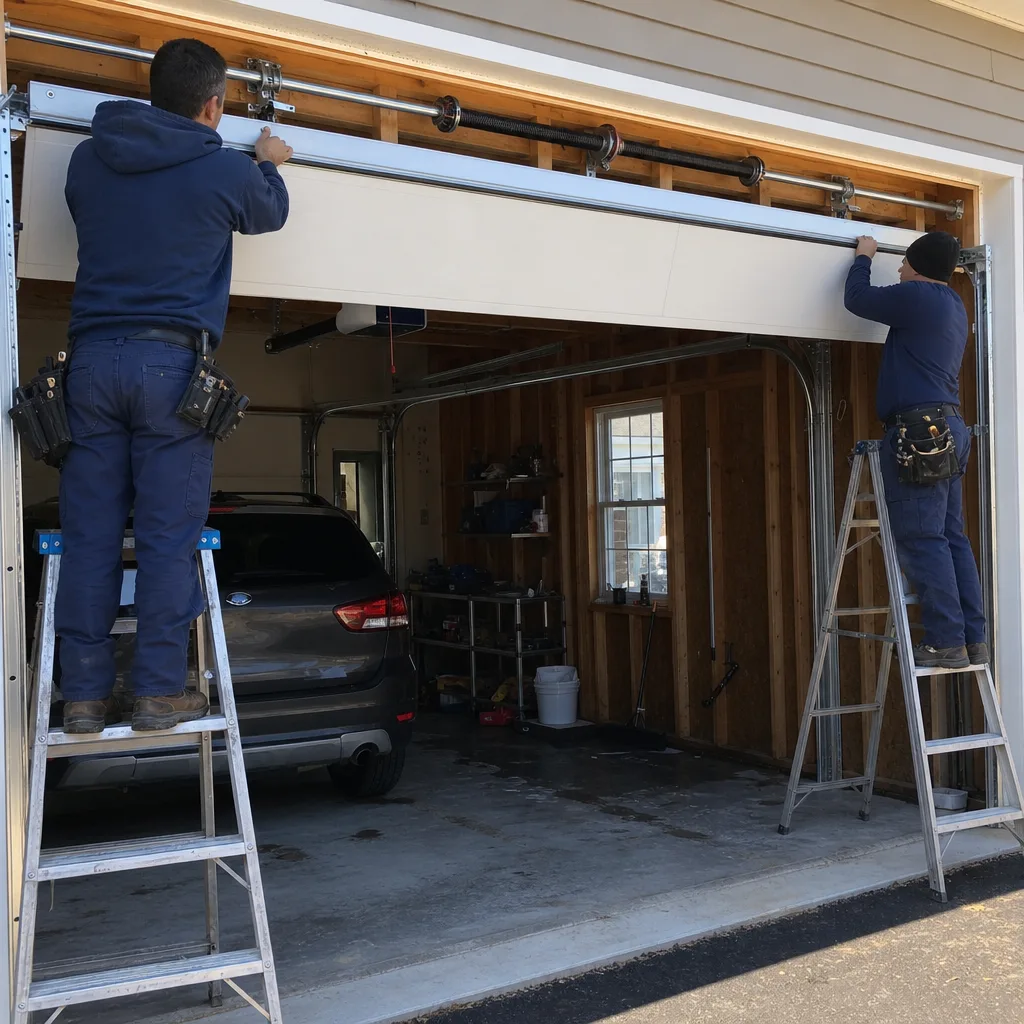
Last updated November 22, 2026
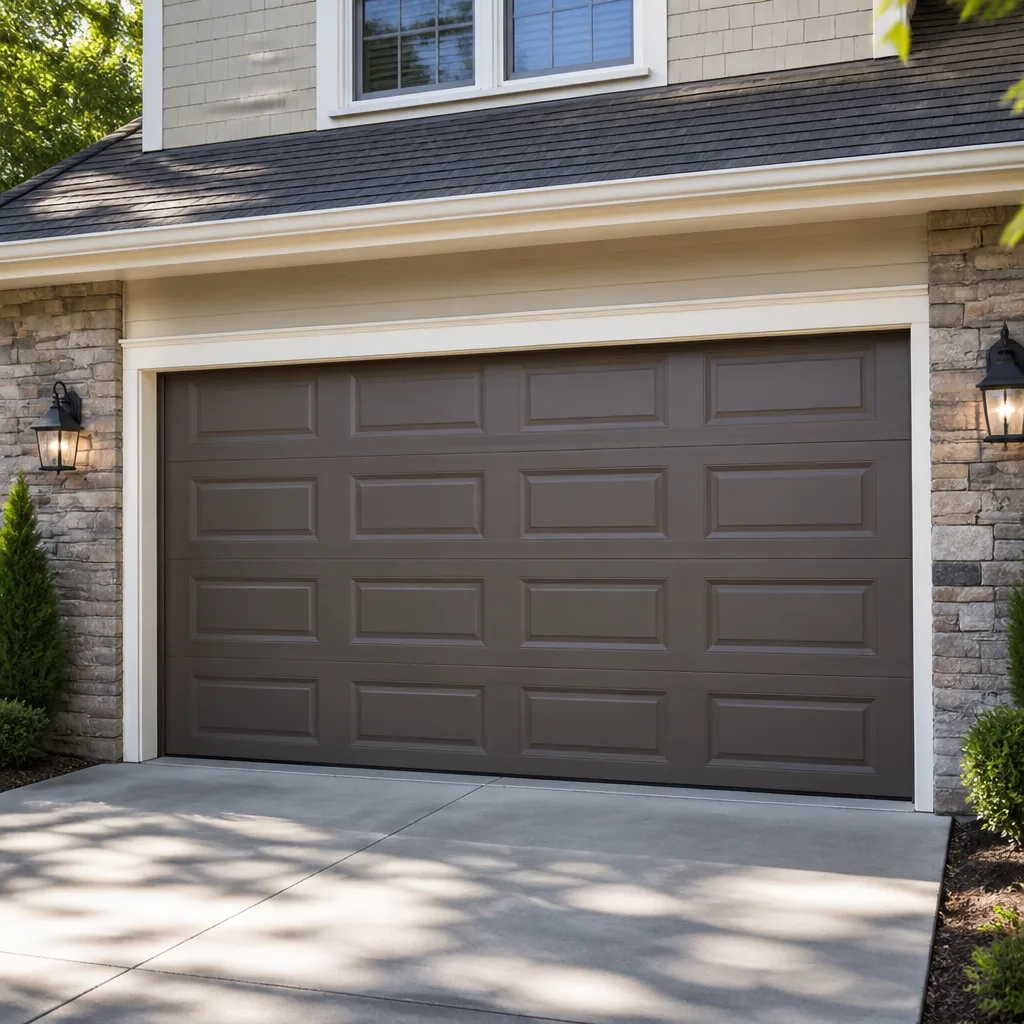 Raised-panel steel
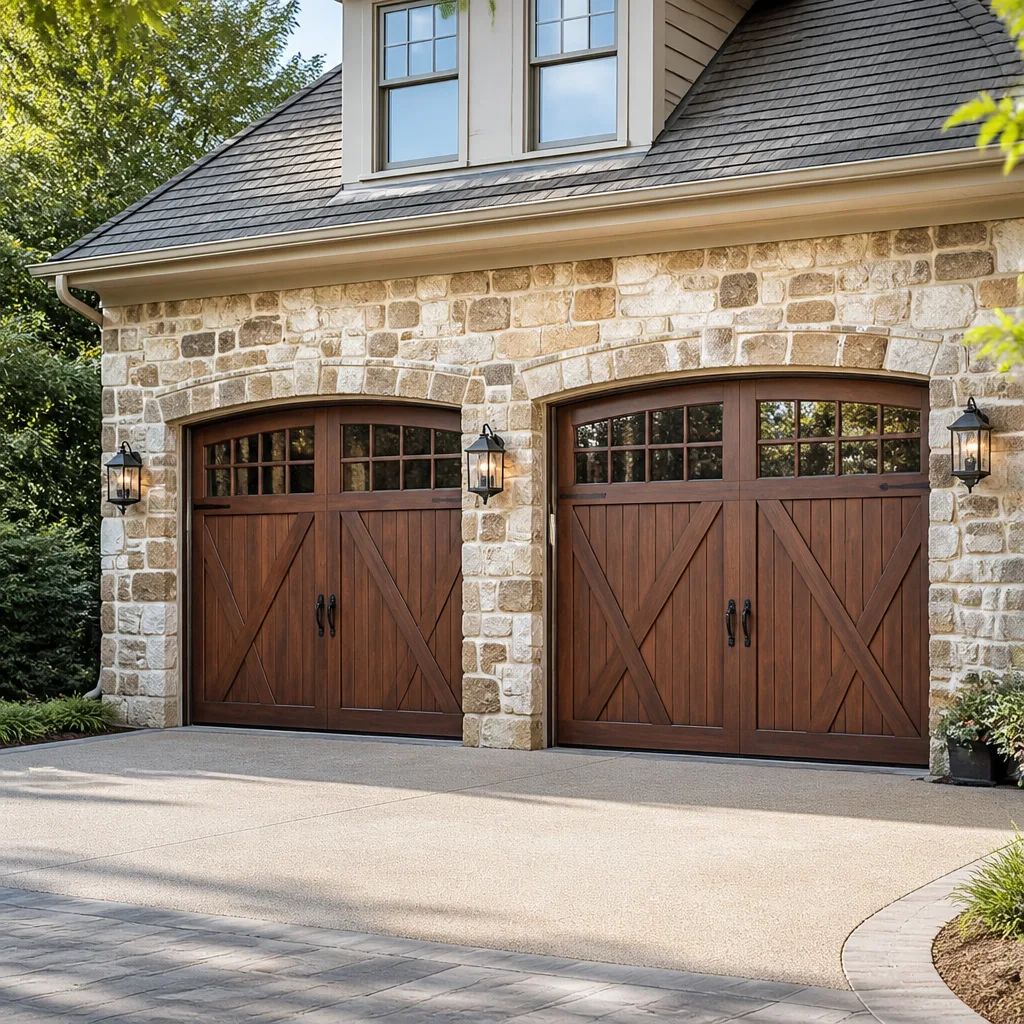 Carriage house
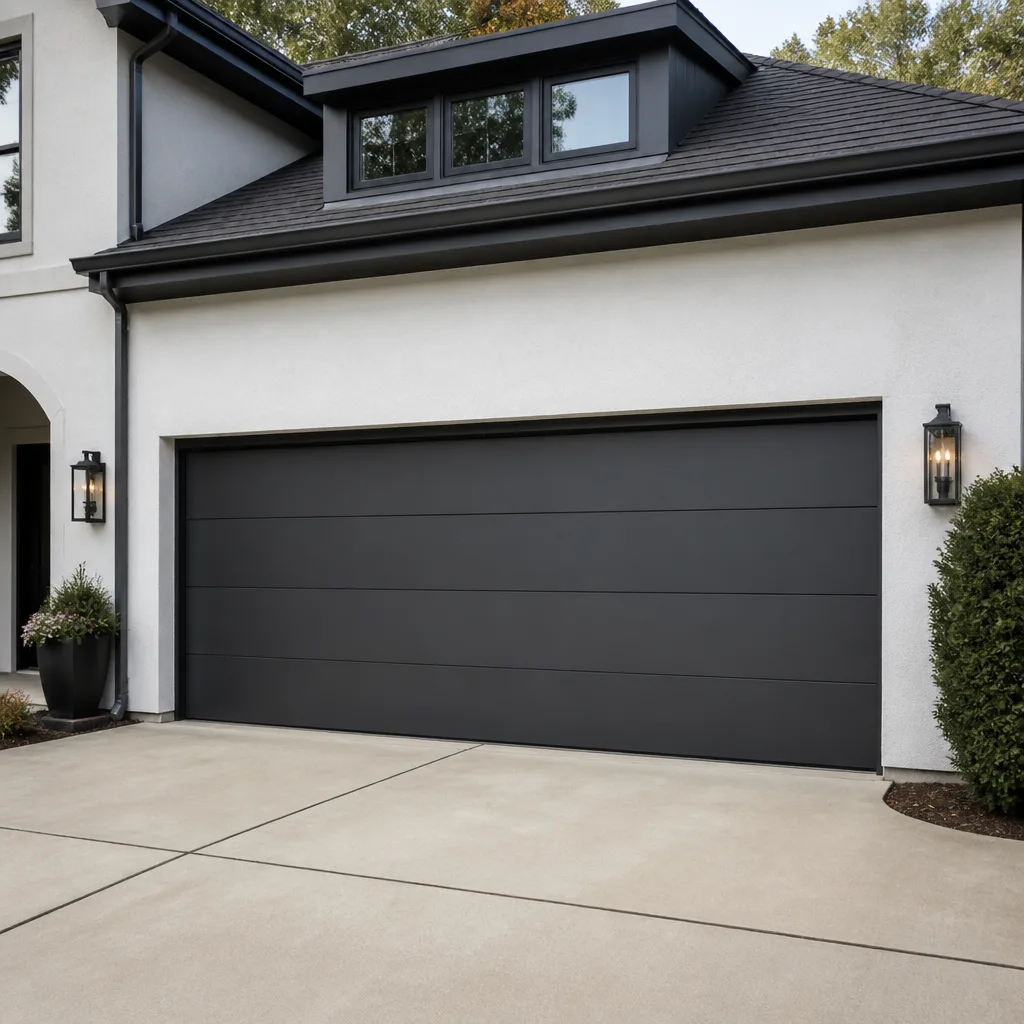 Modern flush
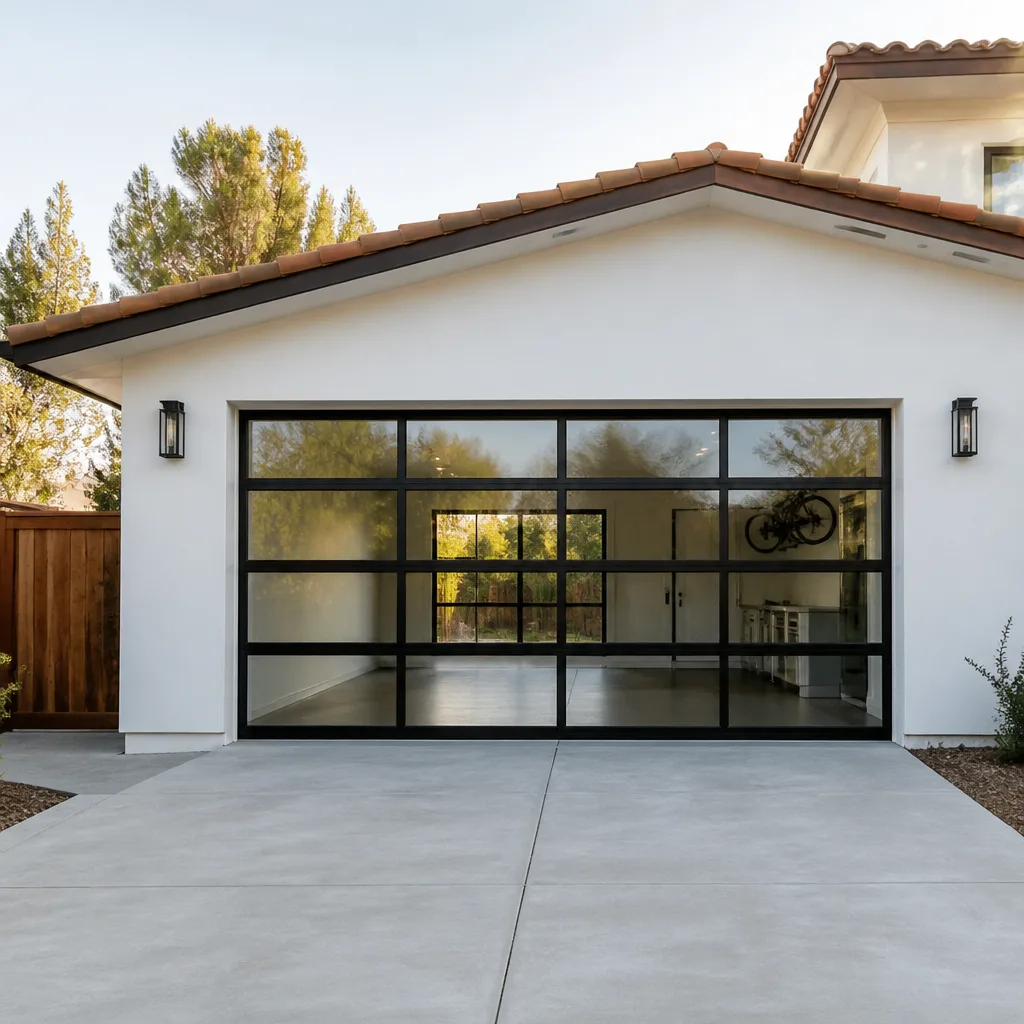 Full-view glass
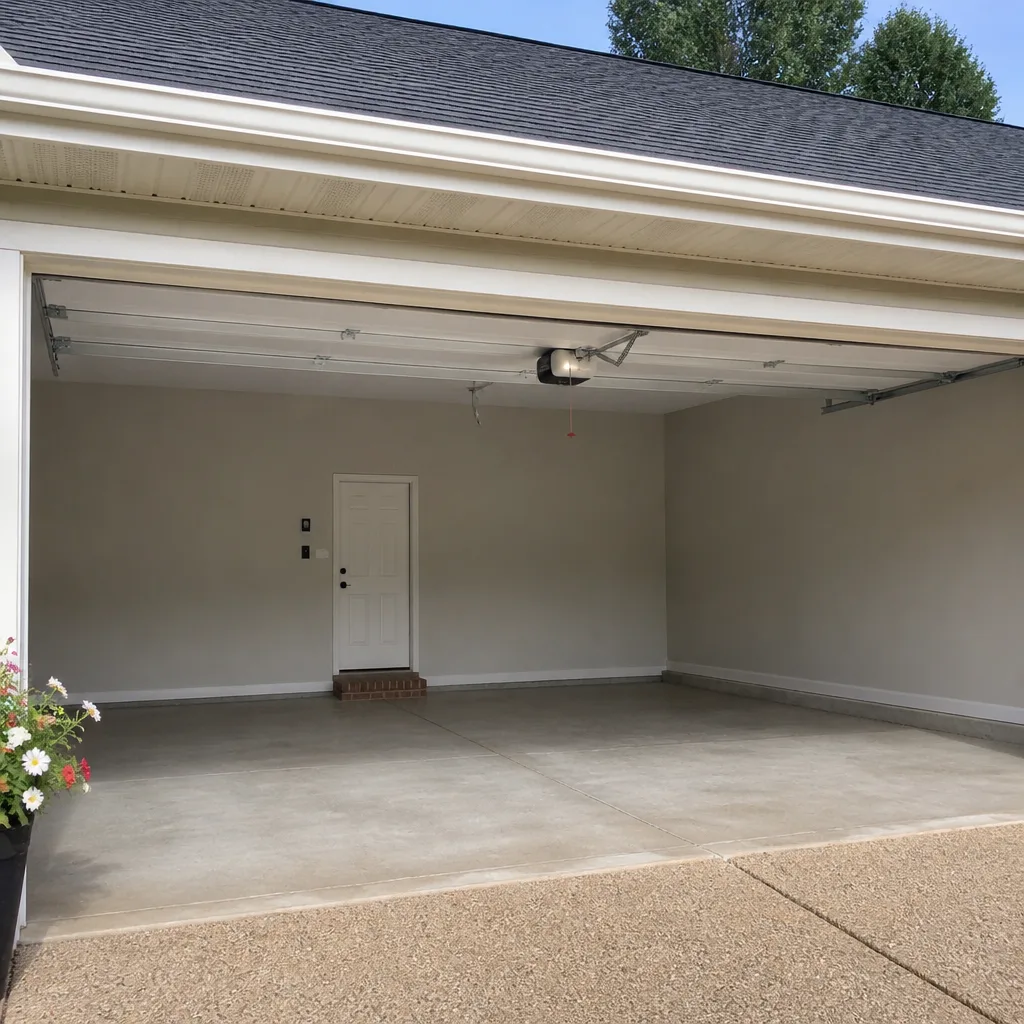 LiftMaster openers
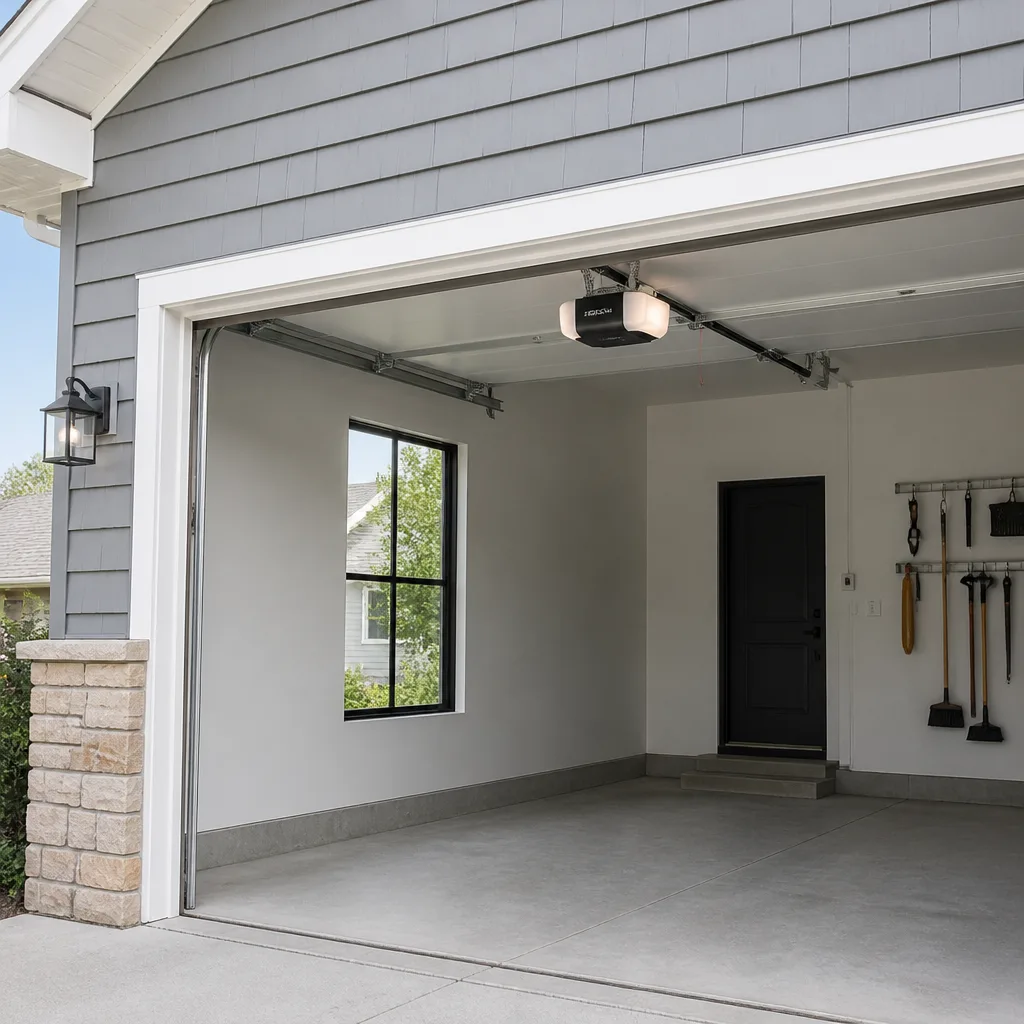 Chamberlain openers
Full 25-point door and opener safety check with every visit - springs, cables, rollers, tracks, and your LiftMaster or Chamberlain opener included
You get a price before we start. It does not change when the pro arrives.
Get your free estimateThe Complete Guide to Garage Doors in Toms River
Your garage door moves more times per year than your front door does in a decade, yet most homeowners can’t name a single part until one breaks at 7 AM on a workday. Here’s the misconception worth clearing up first: a garage door isn’t one machine. It’s eight interdependent systems working in sequence, and the one that failed tells you exactly what the repair involves, roughly what it costs, and how long you’ll be without a working door. This guide maps every component, every brand you’ll run into, and every common failure mode so you can walk into a service call in Toms River already knowing what’s talking.
Quick Answer
A residential garage door in Toms River is a system of torsion or extension springs, lift cables, tracks, rollers, hinges, panels, weather seal, and either a belt, chain, or screw-drive opener with safety sensors. Knowing which system failed lets you predict the repair cost and timeframe before a technician arrives, and it tells you whether you’re looking at a fix or a replacement decision.
Styles & brands we work with
- Raised-panel steel
- Carriage house
- Modern flush
- Full-view glass
- LiftMaster openers
- Chamberlain openers
Table of Contents
- The Eight Systems Inside Every Garage Door
- How Long Each Part Lasts in a New Jersey Climate
- The Brands You’ll Find on Most Doors Here
- How to Read Your Door’s Data Plate
- Repair or Replace? A Cost-vs-Lifespan Framework
- Local Considerations: Climate, Debris, and Code
- Why Springs Are Not a Do-It-Yourself Job
- What to Know About Your Opener
The Eight Systems Inside Every Garage Door
Think of your door as a line of components that each carry part of the load. When one fails, the door behaves differently, and that behavior is the diagnostic clue. Here’s what each system does and how it announces a problem.
- Springs. Either a torsion spring on a horizontal shaft above the door or a pair of extension springs along the sides. They counterbalance the door’s weight so a person can lift it easily. A snapped spring usually comes with a loud bang and a door that won’t move by hand or opener.
- Cables. Steel cables lift the door and hold tension against the spring system. Frayed or slack cables are a red flag and a genuine hazard; they can whip if they fail while the door is under load.
- Tracks. The vertical and horizontal rails that guide the rollers. Bent tracks make the door jump, drift, or scrape, and sandy grit in the channel adds wear.
- Rollers and hinges. The small wheels and pivots that let panels articulate as the door bends into the ceiling. Worn rollers cause squealing and rattling.
- Panels. The visible skin of the door, usually steel on most doors locally. Dents and rust eat into appearance and, over time, structure.
- Weather seal. The bottom rubber seal and the frame stops that keep out cold air, water, and pests. This is the cheapest part to replace and the one most often ignored.
- Safety sensors. The paired photo-eye lenses near the floor that stop and reverse the door if something crosses the beam. Misaligned sensors make a door behave as if it’s resentful.
- The opener. The motor and rail system (belt, chain, or screw drive) that does the lifting. It also carries the safety and force adjustments that most repair calls trace back to.
Every one of these systems affects the others. A bent track stresses rollers. A failing spring overloads the opener. That’s why a technician who only looks at one piece often misses the true cause.
How Long Each Part Lasts in a New Jersey Climate
Lifespan is a range, not a guarantee, because usage and maintenance drive it. A family that cycles the door eight times a day wears components faster than one cycling twice. Here’s a working reference for what to expect on a door in Toms River, where cold winters, humid summers, and road grit all put wear on the hardware.
- Torsion springs: roughly 7 to 12 years on a typical cycle count. Cold snaps are when they tend to go.
- Extension springs: often 5 to 10 years and more prone to stretching out of tension.
- Lift cables: 8 to 15 years, depending on how well they’ve been kept lubricated and whether the door has ever been misaligned.
- Rollers: 5 to 10 years for steel, longer for nylon. They’re the noisiest warning sign.
- Weather seal: 2 to 5 years. Freezing and thawing plus summer heat cracks the bottom rubber.
- Opener: 10 to 15 years for most belt and chain drives before the motor or logic board retires.
- Panels: 15 to 25 years if kept painted and free of standing moisture.
The pattern in Toms River is a door that goes one or two winters past its spring’s expected life before something gives. If your door is in that window, having it checked before the deep freeze saves a cold scramble.
The Brands You’ll Find on Most Doors Here
Most residential doors in Ocean County come from a handful of manufacturers, and each has a hardware fingerprint worth knowing. Clopay doors show up often on newer builds and are known for a wide panel and insulation range. Amarr is common on production housing and mid-range replacements. Wayne Dalton appears on many older homes and uses some proprietary hardware you’ll want a specialist to match. Craftsman openers, made for Sears over the years, still run in a lot of Toms River garages and are serviceable with the right knowledge. Other names you’ll see on the door or the opener include LiftMaster, Chamberlain, Genie, and Raynor. If your door or opener carries any of these, we service it.
The hardware matters because a replacement spring, roller, or hinge has to match the system it’s bolted to. Shops that stock one brand’s parts and improvise on the rest create mismatches that wear out early. Our technicians have up to 14 years of experience across all eight major brands, and that means fewer “we’ll have to order it and come back” conversations.
Whether your Clopay panel took a hit or your LiftMaster opener is grinding, the brand told us how to approach the repair before we ever crack a toolbox.
How to Read Your Door’s Data Plate
Many garage doors have a manufacturer’s label or data plate tucked on an inner panel or the interior face. Reading it before you call saves time, and it tells the technician what spring size and track geometry to expect. Here’s how to work through it.
- Find the label. Check the inside face of the top or second panel, and the frame around the door opening. It may be a stick-on tag or stamped metal.
- Note the brand and model line. Clopay, Amarr, Wayne Dalton, and the others each have model codes that identify panel style and insulation level.
- Record the size. Width and height, usually stamped or printed. A nine-by-seven foot door is the common single-car size; sixteen-by-seven is typical for a double.
- Look for spring information. Some plates specify the wire gauge and inside diameter of the torsion spring. If yours doesn’t, the technician will measure the spring wire and coil dimensions directly.
- Photograph the plate and the spring. A photo of the spring, its wind direction, and any color code on it is often all a specialist needs to quote the repair accurately.
If the plate is gone, don’t improvise. A technician can measure the spring wire, count coils, and verify inside diameter in a few minutes, and those measurements determine the correct replacement. Guessing at spring specs is how doors get the wrong spring and fail again quickly.
Repair or Replace? A Cost-vs-Lifespan Framework
The decision isn’t about the door’s age alone. It’s about whether the money you put into a repair buys you enough remaining life to make sense. A simple way to think about it: if the repair cost is a small fraction of a new door and the panels and frame are sound, repair. If two or more major systems are near the end, or the panels are structurally compromised, replacement usually wins on total cost.
- Repair decision signals: one failed component, panels and tracks in good condition, opener still reliable, door still seals well.
- Replace decision signals: multiple springs and cables at end of life, rust-through or structural panel damage, repeated opener failures, and a door that no longer sits level in the opening.
A full replacement is a measured, ordered, and scheduled job, not a same-day swap, so plan for a lead time on the new door. A repair on a sound door is faster because the components are standard. In Toms River, we often see doors where a spring and cable both need replacing; doing both at once usually costs less than two separate visits and avoids a second breakdown.
Local Considerations: Climate, Debris, and Code
Three local factors shape how a garage door holds up in Toms River. First, the freeze-thaw cycle. Moisture works into the seal and the door’s lower panel edges, then expands and contracts with the seasons, which is why bottom seals and lower panels age faster here than in milder climates. Second, sandy grit. Windblown sand and grit collect in the track channels, and every door cycle drags rollers through it. Third, humidity. Summer damp works on unpainted steel and on the grease in the moving parts.
Those three forces mean two things for a Toms River homeowner: clean and lubricate the tracks and rollers regularly, and check the bottom seal before each winter. A door that sticks or squeals through the summer is usually telling you the rollers or tracks need attention, not that the opener is dying.
On the code side, most municipalities require a permit for a structural change to a garage door opening, and Ocean County’s building departments can tell you exactly what applies to a new install or a change in door size. Before you order a replacement door, ask your local building department what that project needs. Getting the permit question answered up front keeps the install from stalling.
Why Springs Are Not a Do-It-Yourself Job
Torsion springs are under high tension at all times, and a torsion spring that’s still wound or a cable under load can cause serious injury if it releases unexpectedly. This is the one part of a garage door we tell homeowners to never touch. The energy stored in a wound spring is enough to break bones and cause worse, and the special winding bars used by technicians exist for a reason.
A broken spring is a replace-the-pair job in most cases. Matched springs are installed together and replaced together, because a new spring paired with an old one wears both unevenly and usually fails faster. That’s why a spring quote for one spring and a quote for a pair look different. If one spring has snapped, the second is living on borrowed time, and our garage door spring repair service handles both safely. If you suspect a spring problem, keep the door closed, don’t force it by hand, and call a professional.
What to Know About Your Opener
The opener does the lifting, but it can’t perform a job the door’s springs should be doing. If your door struggles, the opener isn’t the first suspect; worn springs and rollers are. That said, opener failures are common and usually show up as a specific set of symptoms.
- Belt drive: quiet, good for a bedroom above the garage. Belt stretch and squeal are the usual issues.
- Chain drive: durable and common with older installs; louder, and it wears chain lube over time.
- Screw drive: fewer moving parts but can bind in extreme cold.
- Safety sensors: the most frequent opener complaint. If the door reverses or won’t close, check for an obstruction, sun glare on the lens, or a knocked sensor.
- Force and travel settings: if the door reverses for no reason or stops short, the force settings need adjusting, and that’s a professional call.
When your opener grinds, our garage door opener repair team can diagnose the motor, board, rail, and sensor system together, since treating one in isolation often misses the real fault. Emergency service is available when a door won’t close and the house is open to the weather or a car is trapped.
Common Mistakes to Avoid
- Pulling the emergency release as a fix. The red cord disconnects the door from the opener, but it doesn’t solve the broken spring or bent track behind the problem. Leaving it released drops the door onto its own weight, and that’s a hazard in a house with kids or pets.
- Tightening a weakened spring yourself. Springs are under tension and can’t be adjusted safely by hand. This is the most dangerous repair on the door, and doing it wrong risks serious injury.
- Replacing one spring when the pair is done. A single new spring paired with an old one wears both unevenly. In Toms River’s cold snaps, that’s how you get a second failure weeks later.
- Choosing a spring by label without measuring. Wire gauge and inside diameter have to match, and a wrong spring will fail fast. Measurement is part of the job, not an optional extra.
- Letting grit and sand sit in the tracks. Windblown grit accumulates in the channel and grinds the rollers. A quick clean and a thin coat of lubricant on the moving parts keeps things running smoothly.
- Patching a structural panel instead of replacing it. A dent is cosmetic; rust-through and cracked structure are not. Patching over structural damage can affect the door’s balance and how it seats in the opening.
- Skipping the estimate and taking the first bid. A garage door quote should be written and specific: which parts, which brand, which spring size. Agreeing to a verbal estimate with no line items leaves you exposed to a bigger bill.
See the difference
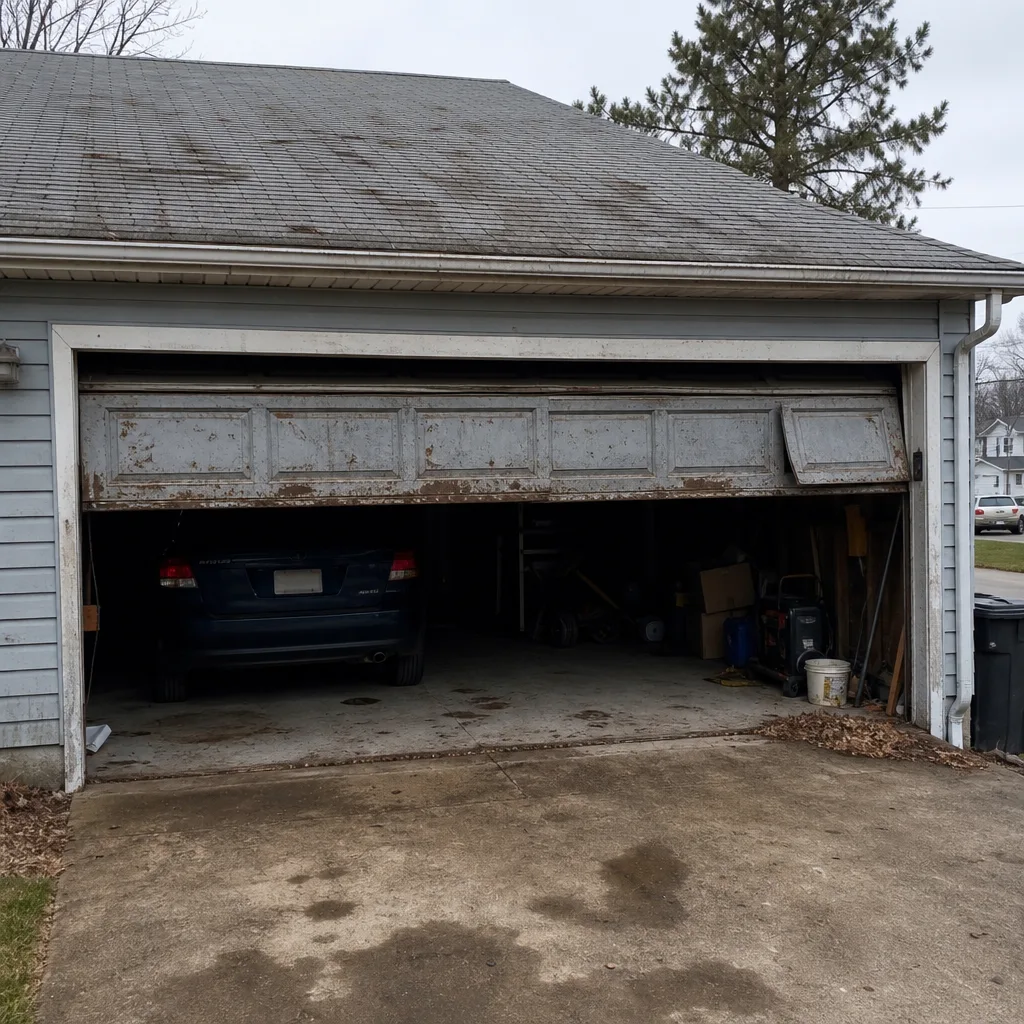 Before
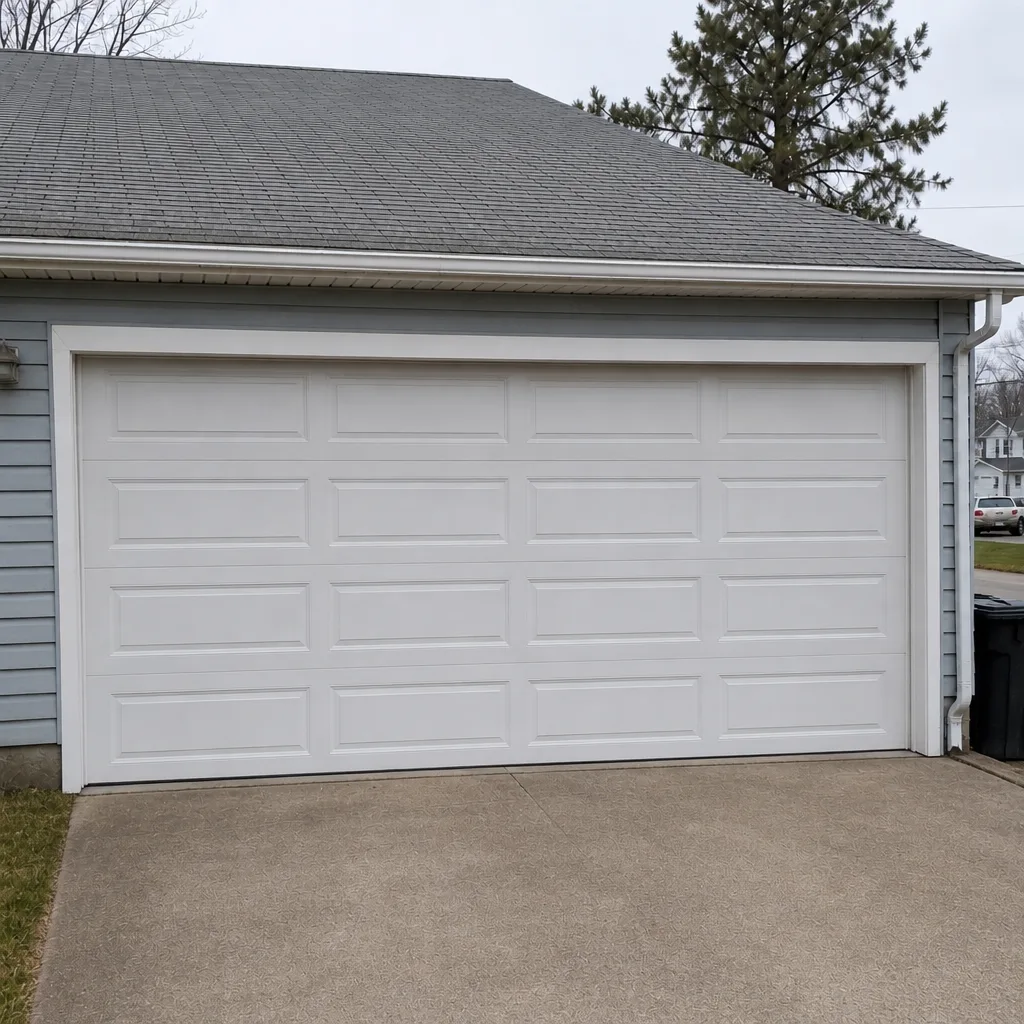 After
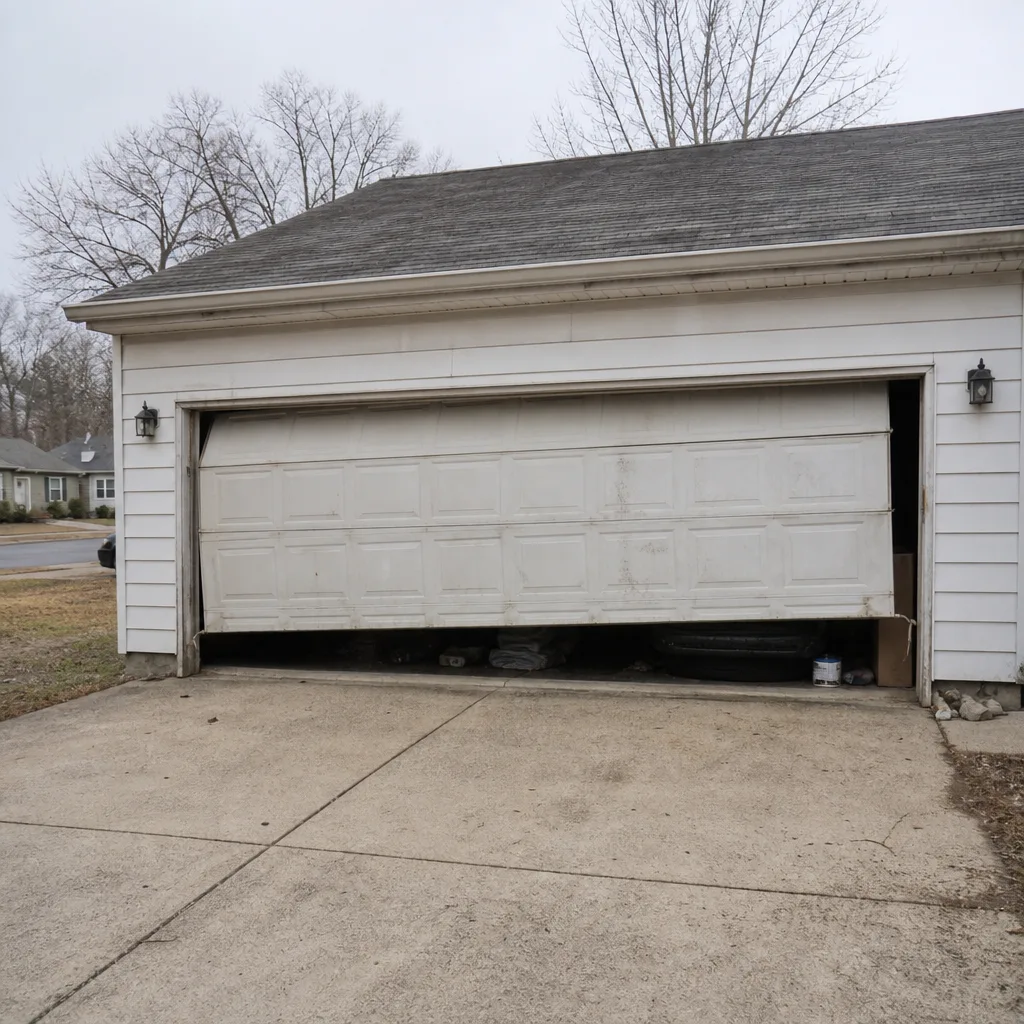 Before
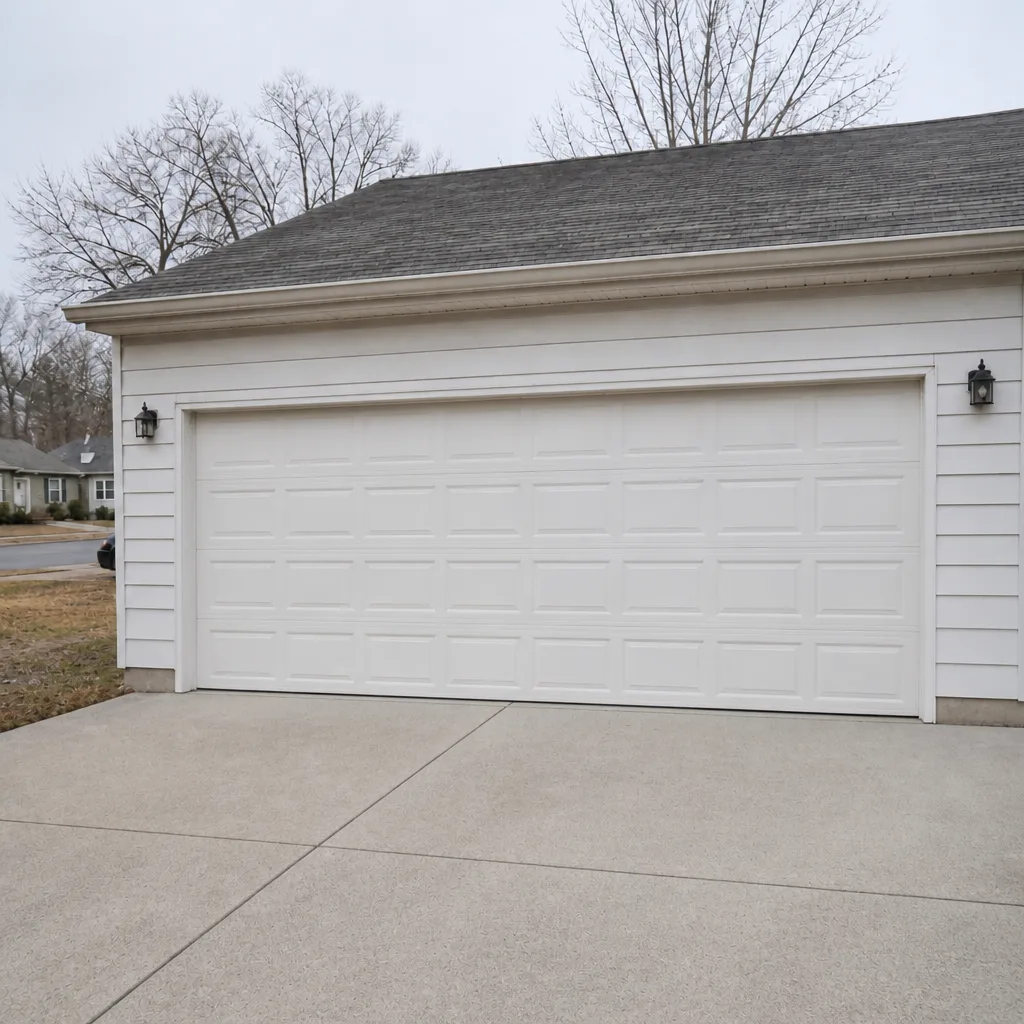 After
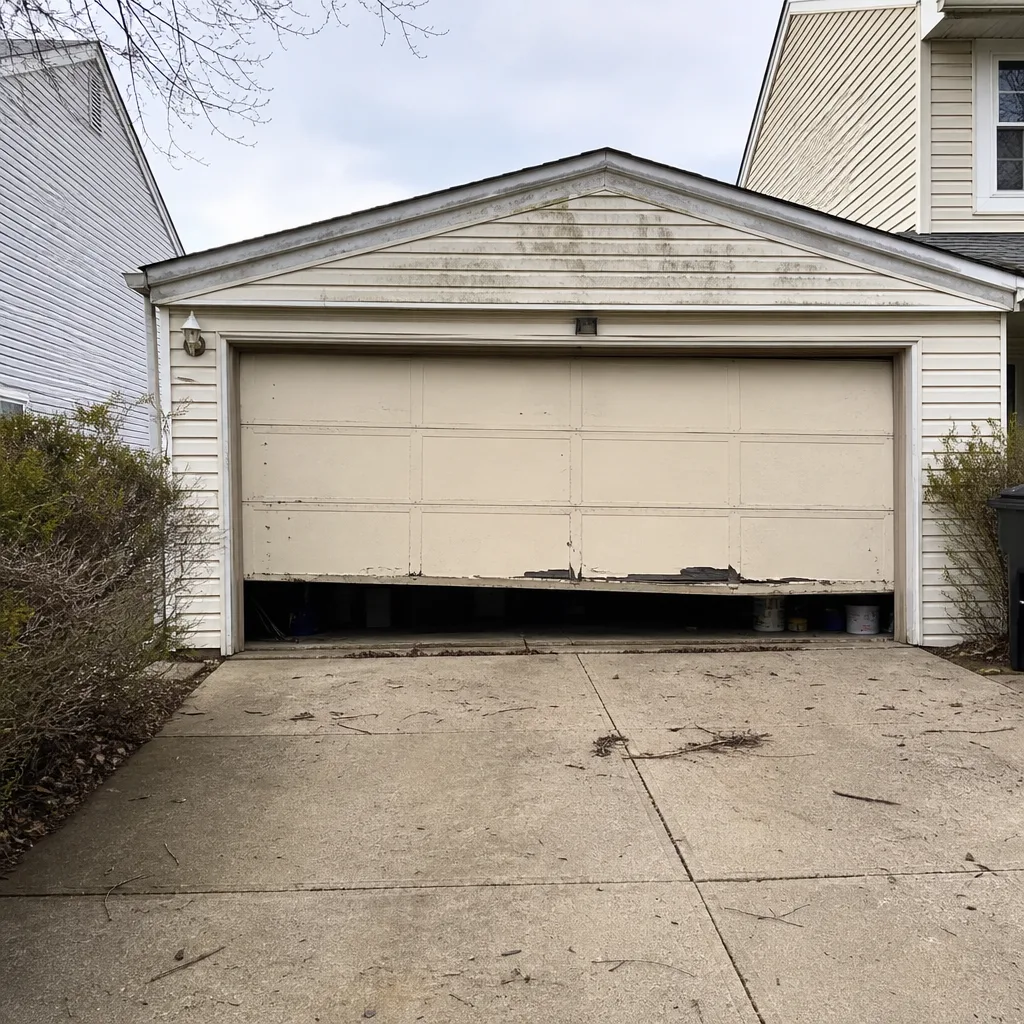 Before
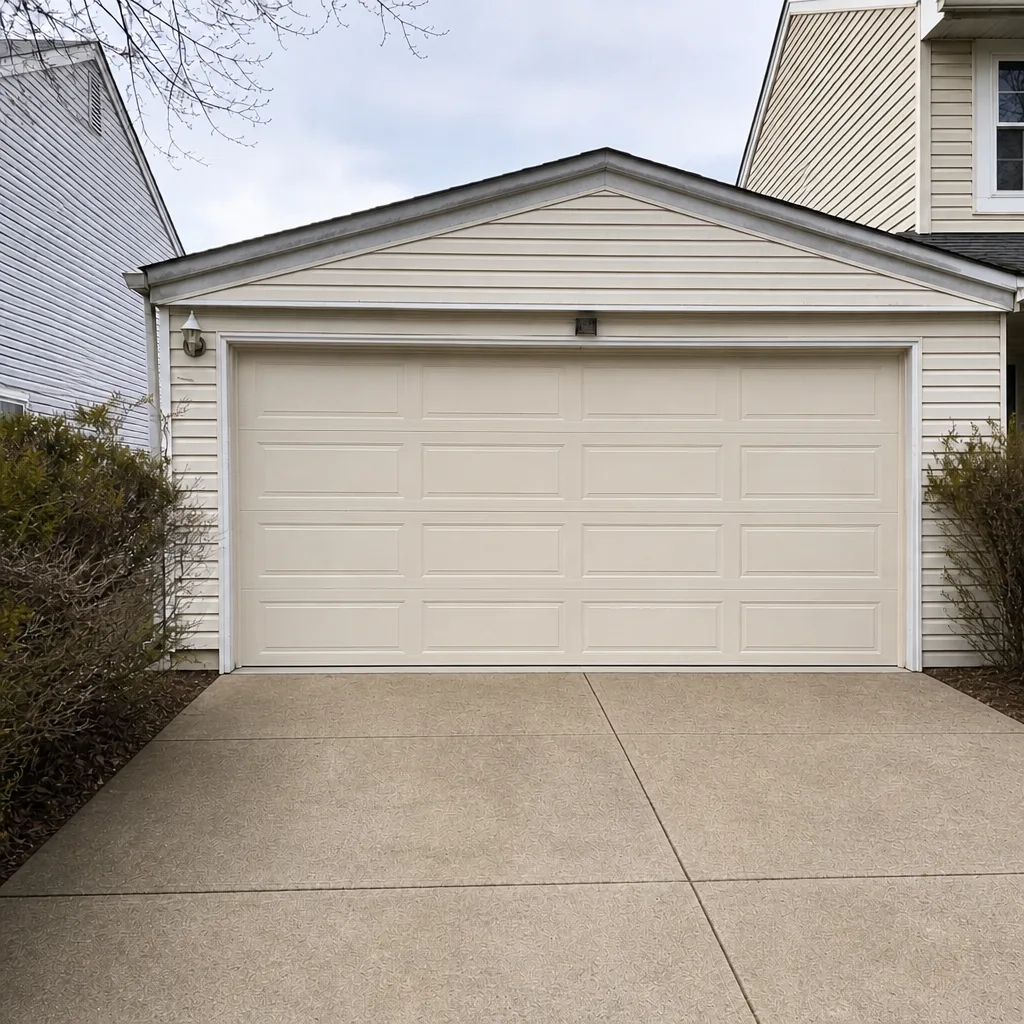 After
When to Call a Professional
Call a professional for any spring, cable, or track problem, for a door that reverses unexpectedly, for a bent panel you can’t easily replace, and for any repair you’d be doing on a ladder or inside a wound spring. A door that’s trapped your car, won’t close all the way, or is behaving unpredictably should be treated as a safety issue, not a weekend project. Toms River Garage Door Repair Co offers free estimates in Toms River – call (877) 792-5709, and we’ll tell you what’s wrong, what it costs, and how fast it can be fixed. We’re closed on Saturdays and book early mornings or Sundays for work outside the usual day, and emergency service is available when your home isn’t secure or your car is trapped.
Frequently Asked Questions
A single torsion spring replacement typically runs roughly $180 to $340, and a matched pair usually runs about twice that, since springs are replaced as a set. Opener repairs and roller or track fixes fall in roughly the same band or below. These are typical estimates; the written quote you get from a technician sets the final price, and we agree on it before any work starts. Call (877) 792-5709 for an exact quote – estimates are free.
For repair calls, yes, same-day service is often available when the problem is a broken spring, a jammed door, or an opener that won’t respond. Installation is different: a new door has to be measured, ordered, and scheduled, so we quote a written price and set an install date. Either way, call (877) 792-5709 and we’ll tell you what we can do.
No. The estimate is written and agreed before any work begins, so the number you accept is the number you pay. If a technician finds something that changes the scope, they’ll explain it and you decide before anything further happens. Call (877) 792-5709 to book a free estimate.
The local professionals we connect you with are licensed and insured as the state of New Jersey requires, and they work on garage doors as a single trade. That focus matters on a job like this: springs and cables are high-risk mechanical work that a general handyman shouldn’t touch. Call (877) 792-5709 to get matched with a qualified local technician.
We service eight major brands: LiftMaster, Chamberlain, Genie, Clopay, Amarr, Wayne Dalton, Craftsman, and Raynor. That covers nearly every residential door and opener system you’ll find in a Toms River garage. If your door or opener carries one of these names, the parts and the knowledge are available. Call (877) 792-5709 to check your model.
Don’t force it. A door stuck partway up usually means a spring or cable failure, and pulling it can drop it or damage the tracks. Keep people and vehicles clear, leave the door where it is if it’s safe, and call for emergency service at (877) 792-5709. A technician will get it secured and diagnose the cause.
The Bottom Line
Your garage door is eight systems working together, and the part that failed is the key to understanding the repair, the cost, and the timeframe. Springs and cables hold the load and are the one job you shouldn’t touch. Panels, seals, and rollers wear on their own schedule, and the local climate makes the seal and the lower panels age faster here. Know your brand, read your data plate if it’s there, and get a written estimate before any work begins. That approach keeps a Toms River homeowner informed at every step, from a snapped spring at 7 AM to a new door on order.
Ready to get moving? Toms River Garage Door Repair Co handles the full range here, from a single spring to a full install, and our garage door repair team is ready to diagnose your door today. Call (877) 792-5709 for a free estimate.
Written by the team at Toms River Garage Door Repair Co.