Last updated November 22, 2026
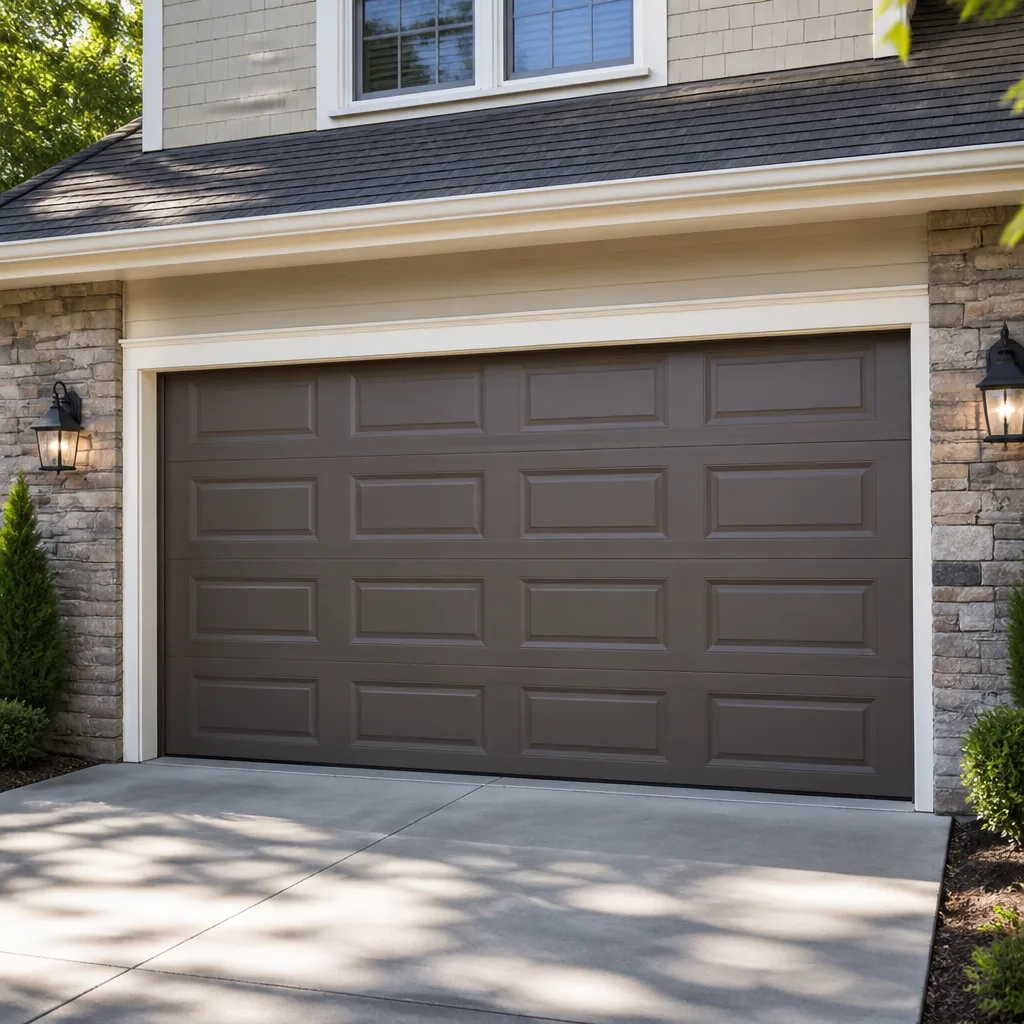 Raised-panel steel
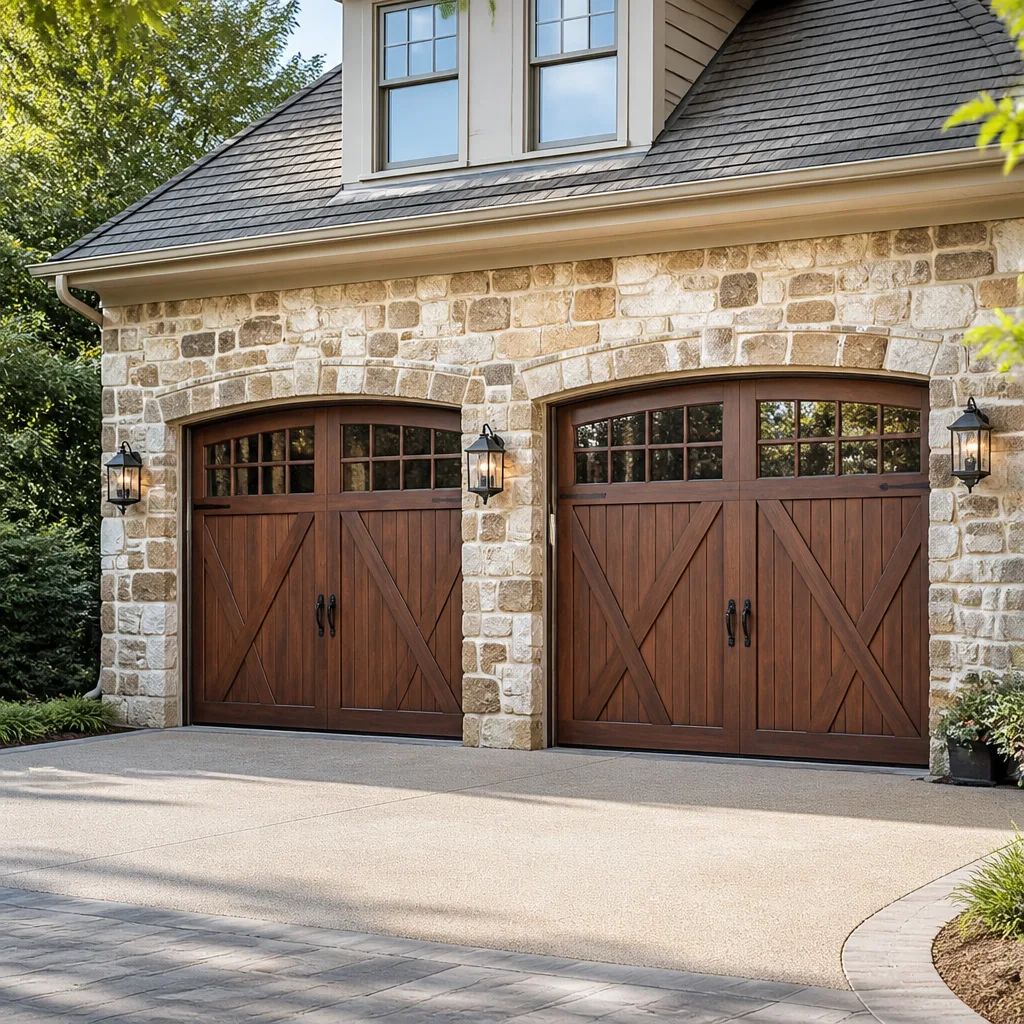 Carriage house
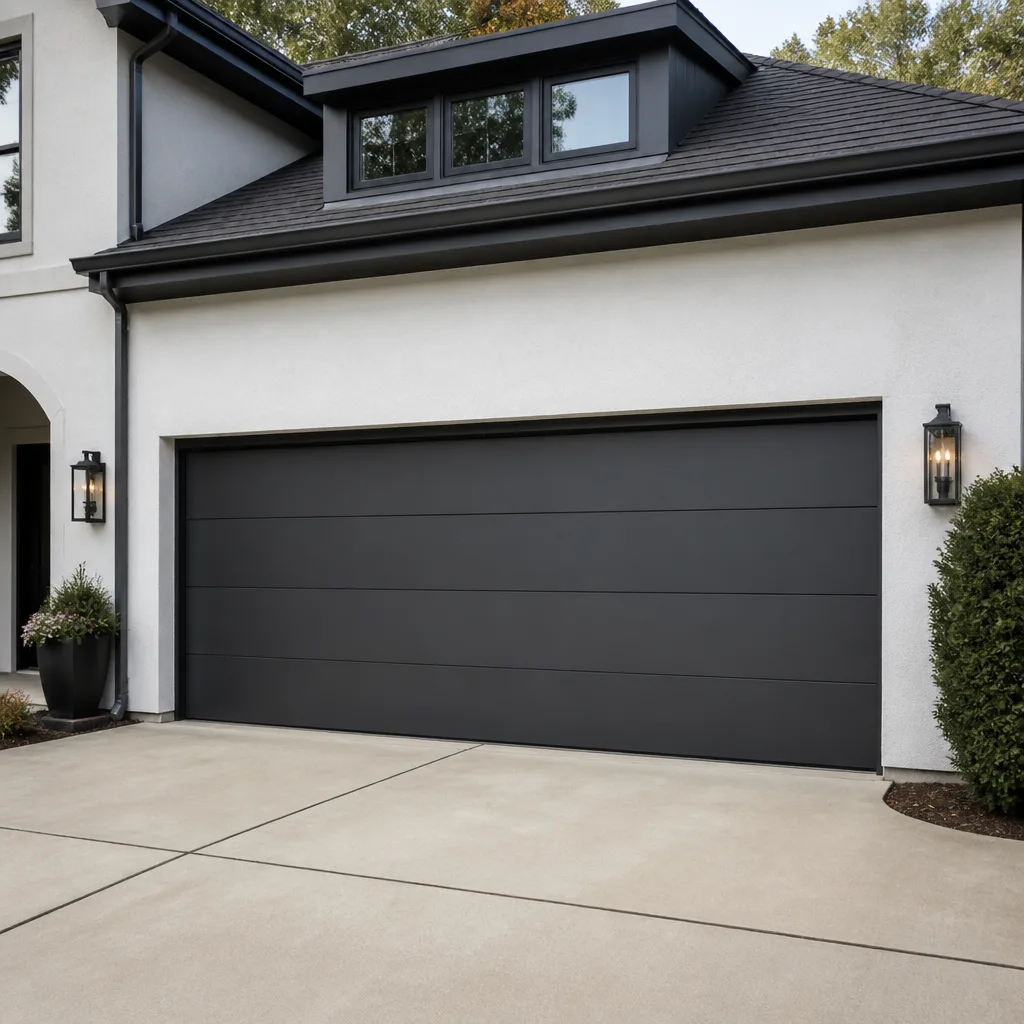 Modern flush
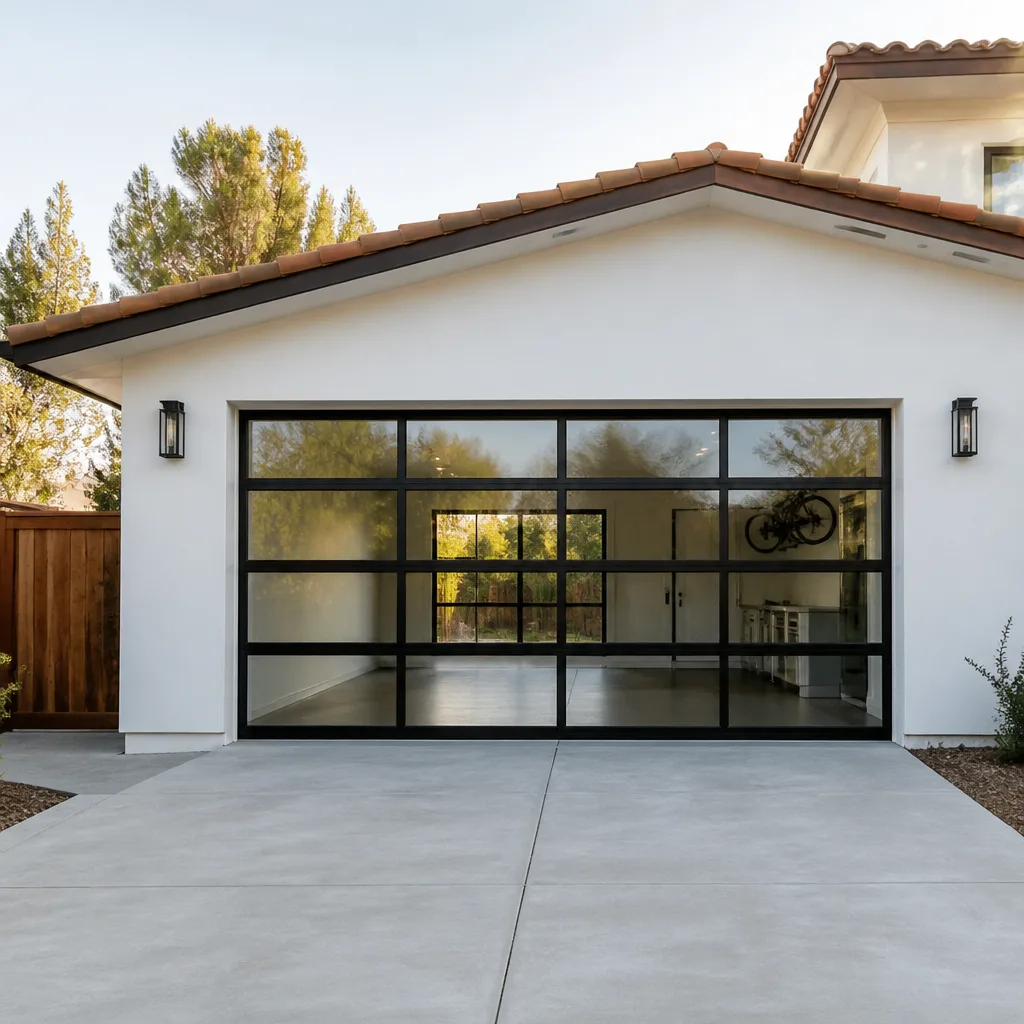 Full-view glass
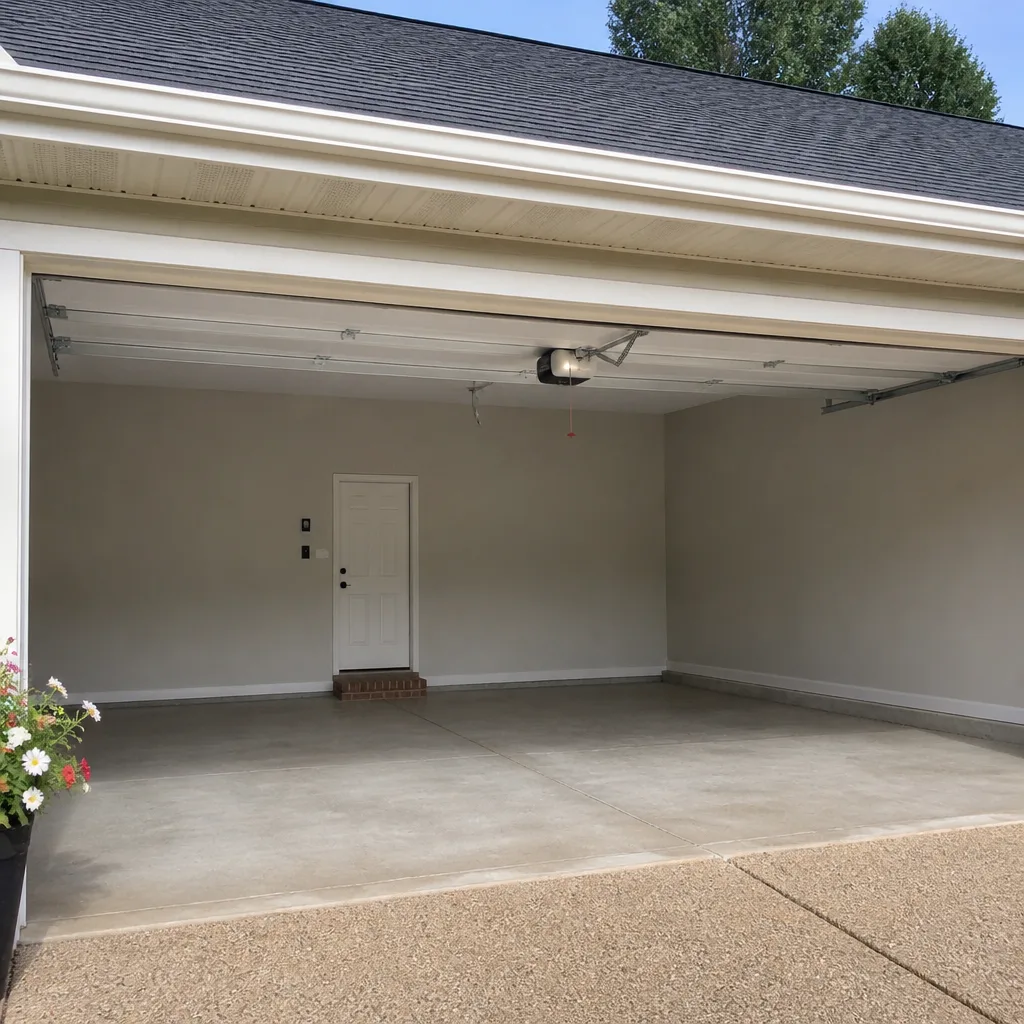 LiftMaster openers
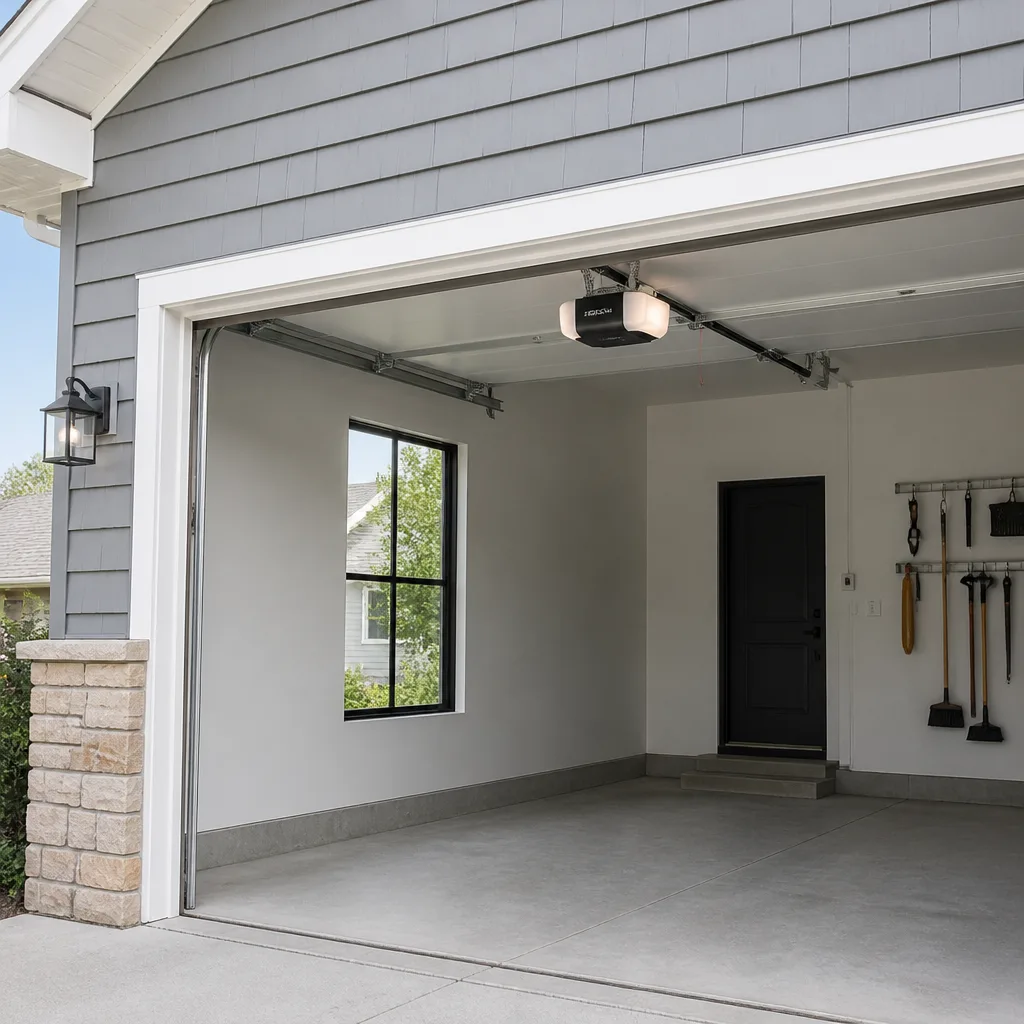 Chamberlain openers
Full 25-point door and opener safety check with every visit - springs, cables, rollers, tracks, and your LiftMaster or Chamberlain opener included
You get a price before we start. It does not change when the pro arrives.
Get your free estimateDIY vs Professional Garage Door: The Toms River Homeowner’s Decision Guide
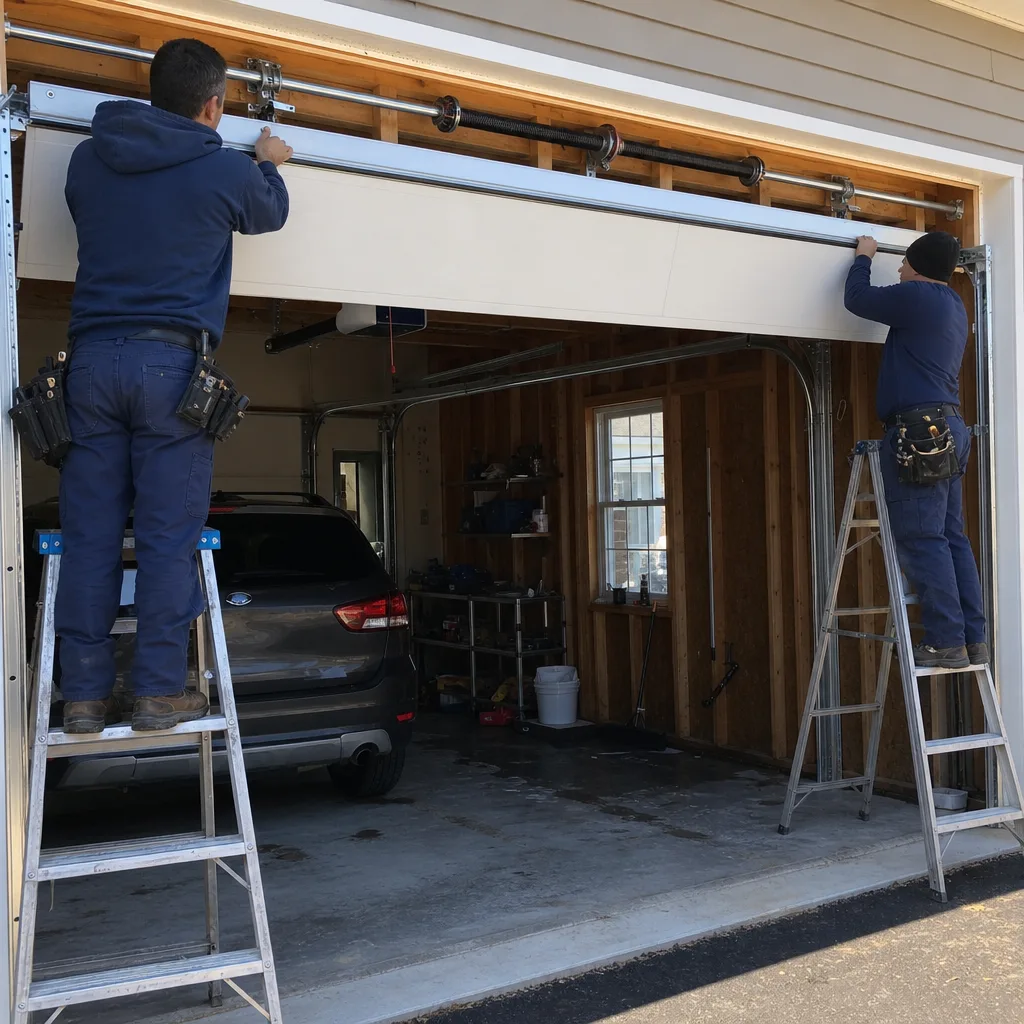
Most homeowners don’t ask “can I replace this spring?” They ask “should I?” Those are two different questions, and the gap between them is where injuries and expensive comebacks live. Torsion springs store enough mechanical energy to break a wrist or cause a concussion if they release uncontrolled, and the winding bars sold in most online kits are 18 inches long for a reason: leverage keeps your hands and face out of the spring’s line of fire. This guide draws a hard line between what a competent homeowner can safely handle and what needs equipment, training, and someone who’s done it before. By the end, you’ll know exactly which Toms River garage door jobs are DIY-friendly and which ones are a phone call.
Styles & brands we work with
- Raised-panel steel
- Carriage house
- Modern flush
- Full-view glass
- LiftMaster openers
- Chamberlain openers
Quick Answer
You can safely handle sensor alignment, bottom seal replacement, lubrication, and remote reprogramming yourself. You should not touch torsion springs, cables under tension, or track realignment with a loaded spring. Everything on that second list is a liability decision, not a skill decision. In the Toms River area, spring repair and cable work are the two jobs where the parts-only savings almost never justify the risk.
Table of Contents
- What’s Safe to DIY and What Absolutely Isn’t
- Why Torsion Springs Are the Hard Line
- The Tools Professional Spring Work Actually Requires
- The Cost Math: Parts-Only vs Full-Service
- NJ Liability: How DIY Spring Work Affects Your Insurance Claim
- Brand Complexity: Wayne Dalton, Amarr, and Standard Torsion Systems
- Toms River Climate and What It Does to Your Door
- A Step-by-Step Decision Framework
- Common Mistakes to Avoid
- When to Call a Professional
- Frequently Asked Questions
- The Bottom Line
What’s Safe to DIY and What Absolutely Isn’t
The line isn’t about confidence. It’s about which parts of your door move with stored energy and which don’t. Sensor alignment, seals, lubrication, and remote programming involve no tension, no wound spring, and no stored force that can bite you. Spring and cable work is the opposite: the whole system is designed to hold potential energy at all times while the door is closed. That distinction is what separates a safe weekend project from a trip to the emergency room.
Safe for most homeowners:
- Aligning or cleaning safety sensors so the door closes without reversing
- Replacing a worn bottom seal or weatherstripping
- Lubricating hinges, rollers, and the chain or belt drive
- Reprogramming remotes or keypads, and pairing a new remote
- Tightening loose bolts on the opener bracket or door hinges
Not safe to DIY:
- Torsion spring replacement or adjustment
- Extension spring replacement on doors that use them
- Cable replacement, or re-seating a cable that’s come off the drum
- Track realignment when the spring is loaded
- Winding or unwinding any spring to “see” if it works
- Anything involving a broken spring on a door that’s currently stuck
If you’re unsure which category a job falls into, that uncertainty is the answer. Toms River homeowners we talk with sometimes describe a “quick fix” they found online that involves securing the door with clamps and loosening a set screw. That’s the wrong direction. If the repair requires touching the spring shaft, cables, or drums, call it in. Our Toms River Garage Door Repair Co handles spring and cable work as a core service, not a side job.
Why Torsion Springs Are the Hard Line
A torsion spring is a coiled steel shaft under tension that lifts a door weighing hundreds of pounds. When it’s wound, it’s holding force equivalent to several times the door’s weight. When it breaks – usually with a loud bang – that force releases instantly and unpredictably. The tension doesn’t politely dissipate. That’s why the standard winding bars are 18 inches long: you need that leverage to control the release, and your hands stay far from the spring while it’s wound.
YouTube tutorials compress this into a five-minute clip and skip the parts that matter most. The video doesn’t show you the emergency room visit, the bent bar flying across the garage, or the way a door hanging on a half-broken spring can drop without warning. In our experience, the most common DIY spring failure is not the beginner who over-thinks the job. It’s the confident homeowner midway through, one bar in the wrong hole, when things go wrong fast.
A spring doesn’t fail slowly in a way you can pause and reconsider. The failure mode is sudden and the danger is physical, not mechanical. If your door won’t lift, or you’ve heard a snap and the door is deadweight, do not try to force it. That’s a “stop, call someone, don’t touch the door” moment.
There’s a second reason spring work gets botched. A spring is matched to the door’s weight, height, and cycle life. Install the wrong gauge – one size off – and the door either won’t balance or the spring fails again in months. A trained technician measures the door, calculates the correct spring spec, and winds it to balance. That’s why we call out garage door spring repair as high-risk work that needs the right equipment, not just the right YouTube video.
- The energy stored: A wound torsion spring holds force many times the door’s weight – enough to break a wrist or cause a concussion.
- The speed: Release happens in an instant. There’s no warning and no time to step back.
- The tool gap: Consumer winding kits sold online often use shorter or thinner bars that flex and slip under load.
- The spec gap: Spring gauge, wire size, and wind direction all have to match. Guesswork produces repeat failures.
The Tools Professional Spring Work Actually Requires
Professional spring work starts with a matched pair of winding bars sized to the spring’s interior, a spring scale to verify door weight, and proper safety glasses or a face shield. The 18-inch winding bar length isn’t a suggestion – it’s a leverage calculation. Shorter consumer bars give you less control, and every inch of control matters when you’re holding back hundreds of pounds of tension. If a bar slips mid-wind, the spring unwinds violently and the bar can travel. That’s the failure mode that hurts people.
What the tools do together:
- Measure the door’s actual weight using a spring scale so the new spring matches the door it’s lifting.
- Identify the wire size and inside diameter of the existing spring so the replacement has the correct cycle rating.
- Secure the door with locking pliers or a proper winding collar before touching the spring shaft.
- Wind each spring with a matched bar pair and count turns to spec, then test balance with the door disconnected.
- Reconnect the opener only after balance is confirmed and the trolley travel is reset.
Consumer kits sold online often include shorter bars, no scale, and no way to confirm matching specs. The kits give homeowners the feeling of having the right gear while removing the two safety features – leverage and measurement – that actually prevent accidents. If you’ve already bought one, don’t use it. Post it on the shelf and call a garage door company instead. Toms River homeowners deserve a straight answer about which tools matter and which are decoration.
The same logic applies to cable work. A snapped cable can whip across the garage with dangerous force. Replacement requires the door secured, the spring unwound, and the drum reseated – none of which a consumer can safely do without the same tools used for spring work.
The Cost Math: Parts-Only vs Full-Service
Here’s where the numbers get blunt. DIY spring kits usually cost $40 – $90 online for the pair plus winding bars. That looks like a green light. But the gap between that and professional pricing is smaller than most homeowners expect, and once you add a second attempt at the correct spring, the math stops being in DIY’s favor. Typical professional pricing in the Toms River market for these jobs:
| Job | Typical DIY parts cost | Typical professional estimate |
|---|---|---|
| Torsion spring replacement (single spring) | $40 – $90 for a pair kit, variable by spec | $180 – $340 per spring; a matched pair is about double |
| Extension spring replacement (single) | $20 – $50 | $120 – $260 |
| Cable replacement (per side) | $25 – $60 | $150 – $320 |
| Opener repair or reprogramming | $0 – $30 for a remote | $90 – $220 depending on the opener |
| Bottom seal replacement | $20 – $50 | $75 – $180 |
| Sensor alignment | $0 | $80 – $150 if a technician visit is required |
Those professional figures are typical estimates for this area, and the written quote you get sets the final price. On the safe-DIY list, doing the work yourself is a genuine win. On the spring-and-cable list, the parts cost is close enough to a full-service visit that the professional option wins on time, safety, and repeat-repair risk. Add a second spring kit bought after a wrong-spec failure and the DIY “savings” turn negative.
The bigger cost asymmetry is the second visit. A botched DIY spring job usually ends with a professional call anyway – plus the door needing new cables or a drum because the door came down wrong. That’s the real math: you don’t get the DIY savings back. You just add a professional repair to them.
For a broken opener, our garage door opener repair service is often the better call from a cost standpoint because the diagnosis is worth more than the part. If you don’t know whether your opener is failing or the door is out of balance, a technician can tell you in minutes. Guessing costs more.
NJ Liability: How DIY Spring Work Affects Your Insurance Claim
If your door injures someone after a DIY spring repair, your homeowner’s policy doesn’t automatically cover it clean. Insurance reviews the cause. A spring installed without proper winding, on a door that’s out of balance, or with the wrong spec is a code-compliance issue, not a manufacturing defect. Insurers look at whether the work met building standards. Unpermitted, uncertified spring work raises questions that a professional repair doesn’t. Most carriers don’t deny every claim, but they don’t rush to pay one where the workmanship is the cause.
There’s a second liability angle. If someone visiting your home – a delivery driver, a contractor, a neighbor – is hurt by a door that drops or reverses unexpectedly, the question shifts to who performed the repair. A professional spring repair comes with documentation of the work. A DIY install doesn’t. New Jersey law doesn’t exempt the homeowner from responsibility for work they did themselves. If you’re going to touch the door, be sure the work is defensible. If it isn’t, don’t touch it.
Permit questions also come up. Most municipalities in this area require a permit for major structural changes to a garage door system, but the rule varies. If you’re planning anything beyond a part swap, ask your town’s building department directly. Don’t assume from a forum thread. Toms River homeowners can also ask us before starting the work – if a job needs documentation, we’ll tell you.
This is also where the “it’s just a spring” framing breaks down. A professionally replaced spring is boring. A DIY spring that fails is an insurance conversation. Those are not equivalent outcomes.
Brand Complexity: Wayne Dalton, Amarr, and Standard Torsion Systems
Not every door is built the same, and brand matters when you’re deciding whether to go DIY. Wayne Dalton doors using the TorqueMaster system aren’t standard torsion. The spring is enclosed inside a tube, and the adjustment works differently from a standard winding bar setup. Some TorqueMaster parts have to be replaced as a complete assembly, which increases the cost of a botched DIY attempt because the fallback isn’t “buy a $40 spring” – it’s “buy the assembly.” That’s one of the reasons we service Wayne Dalton doors as part of our standard brand coverage.
Amarr doors use a panel system with specific interlocking profiles. Swapping a damaged panel sounds easy, and on some doors it is. On Amarr panels, the sections are engineered with the hinge and strut placement to match the panel. Replacing one panel with a mismatched or aftermarket equivalent can leave the door out of alignment or with a weak point that fails early. If you’re replacing a panel and not the whole door, matching the brand and series matters. Raynor doors are similar – the panel geometry and spring spec are closely tied, so a generic replacement often creates problems.
For Craftsmans, the opener side is often DIY-friendly, but the door side isn’t. Craftsman openers are common and well-documented; the door, spring, and cable system is where professional handling pays back.
The practical rule: check your door’s brand and model before deciding. If it’s a standard torsion system, the safe/professional split applies as written. If it’s a TorqueMaster, an Amarr panel job, or a Raynor system, assume the professional side is mandatory even for jobs that look like simple swaps. Our garage door repair service covers all of these, and we tell homeowners up front which jobs we won’t quote for DIY guidance because the risk is too high.
Toms River Climate and What It Does to Your Door
Doors in Toms River live through a genuine four-season cycle, and that changes how DIY decisions play out. Summer humidity swells wood panels and can warp a door out of alignment. Winter cold stiffens lubricant, makes springs less forgiving, and shrinks the seals. Spring and fall bring the temperature swings that push metal components to expand and contract repeatedly. Each of those shifts is a stress cycle on the springs and cables. A door that’s been “fine for years” can fail in the middle of a cold snap because the spring has cycled through thousands of those shifts.
For DIY, that cycle matters in two ways. First, it shortens the life of any incorrect spring or cable replacement. A spring undersized for the door will fail faster in a colder climate because the torque demand doesn’t soften in winter – it gets harder. Second, it makes lubrication and seal maintenance genuinely worth doing yourself. Cleaning and lubricating hinges and rollers in fall before the temperature drops is one of the DIY tasks with the highest return for the effort.
The other local factor is the driveway. Toms River homes often have driveways that drain unevenly, which means water pools near the door. That accelerates rust on the bottom panel and pulls at the seal. A homeowner who’s willing to keep that seal clean and replace it every couple of years will extend the door’s life without touching the springs at all. That’s the kind of repair worth owning. It’s a small, safe, real win.
For the door that has started misbehaving after a cold snap, the diagnosis is the hard part. An out-of-balance door and a failing spring look similar from the outside. If you’re not sure, the safe call is professional. Toms River door failures after a big temperature swing are some of the most common calls we get, and they rarely turn out to be DIY-friendly.
A Step-by-Step Decision Framework
Here’s how to decide on any garage door repair job without guesswork. Work through these in order:
- Identify the part. Is it the opener, a sensor, a seal, a panel, a spring, or a cable? If you can’t name it confidently, stop and call.
- Check the tension. If the repair requires touching a spring, cable, drum, or track under tension, it’s professional-only. That’s the hard line.
- Confirm the brand. If it’s a Wayne Dalton TorqueMaster, Amarr panel, or Raynor system, treat even “simple” jobs as professional because the parts aren’t interchangeable.
- Check whether the door is operational. A door that’s stuck open or won’t close is a security issue – don’t wait. If the home or car is exposed, that’s an emergency call.
- Estimate the parts cost vs. the professional range. If the difference is under about $100 for a tension-related job, the professional route is the safer math.
- Check the permit question if the work is structural. Call your town’s building department if unsure.
- If the job is on the safe list – seal, sensor, lubrication, remote – do it yourself. That’s what the safe list is for.
The framework does two things. It keeps the DIY work where it belongs and it removes the guesswork from the professional work. In Toms River, that clarity is what most homeowners actually want. Not a lecture about being careful, just a clear line.
For anyone trapped by a door that won’t open, the decision is already made. Emergency garage door service exists because a door that won’t close at night isn’t a next-week problem. If your home is unsecured or your car is blocked, the framework doesn’t apply – call for emergency service and let a technician handle the diagnosis.
Common Mistakes to Avoid
- Treating the spring like a part swap. A spring is a matched component under tension. Buying “the same size” online without verifying wire gauge and door weight is the most common cause of repeat failures.
- Buying a short-bar kit and assuming it’s enough. The shorter the winding bar, the less control you have. Consumer kits remove leverage that the 18-inch standard exists to provide.
- Working on a door that’s stuck open or half-closed. A door without a functioning spring is deadweight. The safest thing to do is leave it where it is and call.
- Using aftermarket panels on Amarr or Raynor doors. Panel geometry has to match the door system. Mismatched panels can leave the door out of alignment or structurally weak.
- Assuming Wayne Dalton TorqueMaster is standard. The enclosed spring system works differently and the DIY math that applies to standard torsion doesn’t apply here.
- Skipping the permit check. If a job might be structural, call the town’s building department first. The answer matters if there’s ever an insurance question.
- Reprogramming or replacing an opener without checking the door balance first. A door that’s out of balance will burn out a new opener early. Fix the balance first, then address the opener.
When to Call a Professional
Call a professional whenever the job involves a spring, a cable, a drum, or a track with tension on it. Call when the door is stuck open or won’t close because the home is exposed. Call when you’ve already tried a repair and the door still won’t operate correctly. Call when the door is a Wayne Dalton TorqueMaster, an Amarr panel, or a Raynor system and the job looks like a swap. Call when you’re replacing an opener and the door is out of balance, because the opener isn’t the root problem. And call if you’re not sure – a free estimate is cheaper than a misdiagnosis. Toms River Garage Door Repair Co offers free estimates in Toms River – call (877) 792-5709.
Frequently Asked Questions
No – torsion spring replacement should not be done by a homeowner, even an experienced one. The spring is under high tension and releases violently if something slips, and the correct spring spec has to match the door’s weight and cycle rating. Call (877) 792-5709 for a free estimate instead.
Typical estimates in this area run $180 – $340 for one spring, and a matched pair is about double because springs are usually replaced together. That’s a written estimate, and the final price is set by the quote. Call (877) 792-5709 to get an exact number.
We offer emergency garage door service for situations where the home is unsecured or a car is trapped, and we prioritize those calls. Exact arrival windows depend on the day. Call (877) 792-5709 and the team will tell you what’s realistic for your door.
The written price is the price when the estimate is agreed before work starts. We quote after looking at the door and confirming the parts needed, then that number holds. If something extra is discovered mid-repair, we discuss it with you before doing the work. Call (877) 792-5709 for a free estimate.
The local professionals we connect you with are licensed and insured as their state requires, and our technicians have up to 14 years of experience. Call (877) 792-5709 to talk through your door.
Yes – we service LiftMaster, Chamberlain, Genie, Clopay, Amarr, Wayne Dalton, Craftsman, and Raynor equipment. That covers virtually every residential system in use today, including the Wayne Dalton TorqueMaster and Amarr panel designs. Call (877) 792-5709 to describe your door and we’ll confirm the parts.
The Bottom Line
The DIY question isn’t about how handy you are. It’s about which parts of the door store energy that can hurt you when something goes wrong. Sensors, seals, lubrication, and remotes are yours to handle. Springs, cables, drums, and loaded tracks are the hard line – regardless of skill, and especially when a Wayne Dalton TorqueMaster or Amarr panel is involved. The cost math backs that up: parts-only savings on spring work are small enough that the risk doesn’t buy you anything. Our technicians have up to 14 years of experience and work on garage doors exclusively. If you’re in Toms River and want a straight answer about your door, call (877) 792-5709 for a free estimate.
Written by the team at Toms River Garage Door Repair Co.
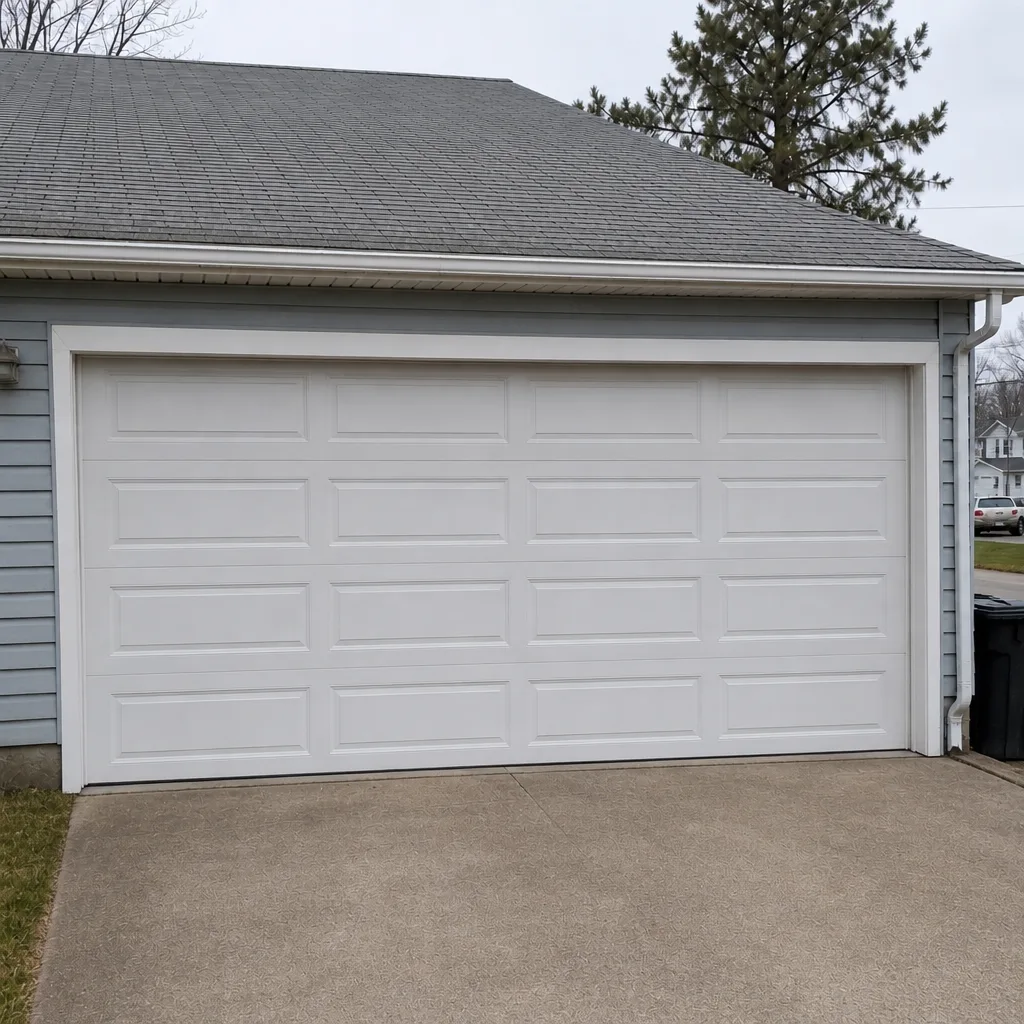
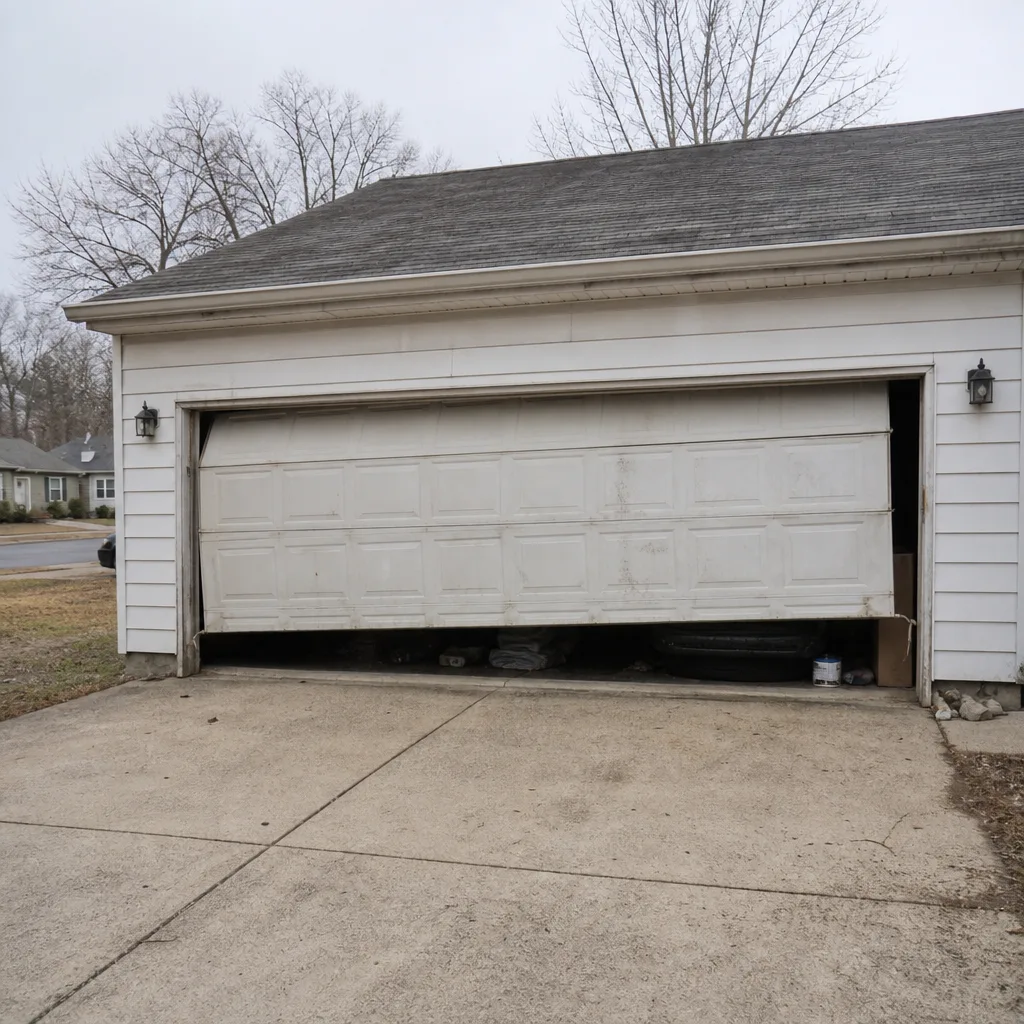
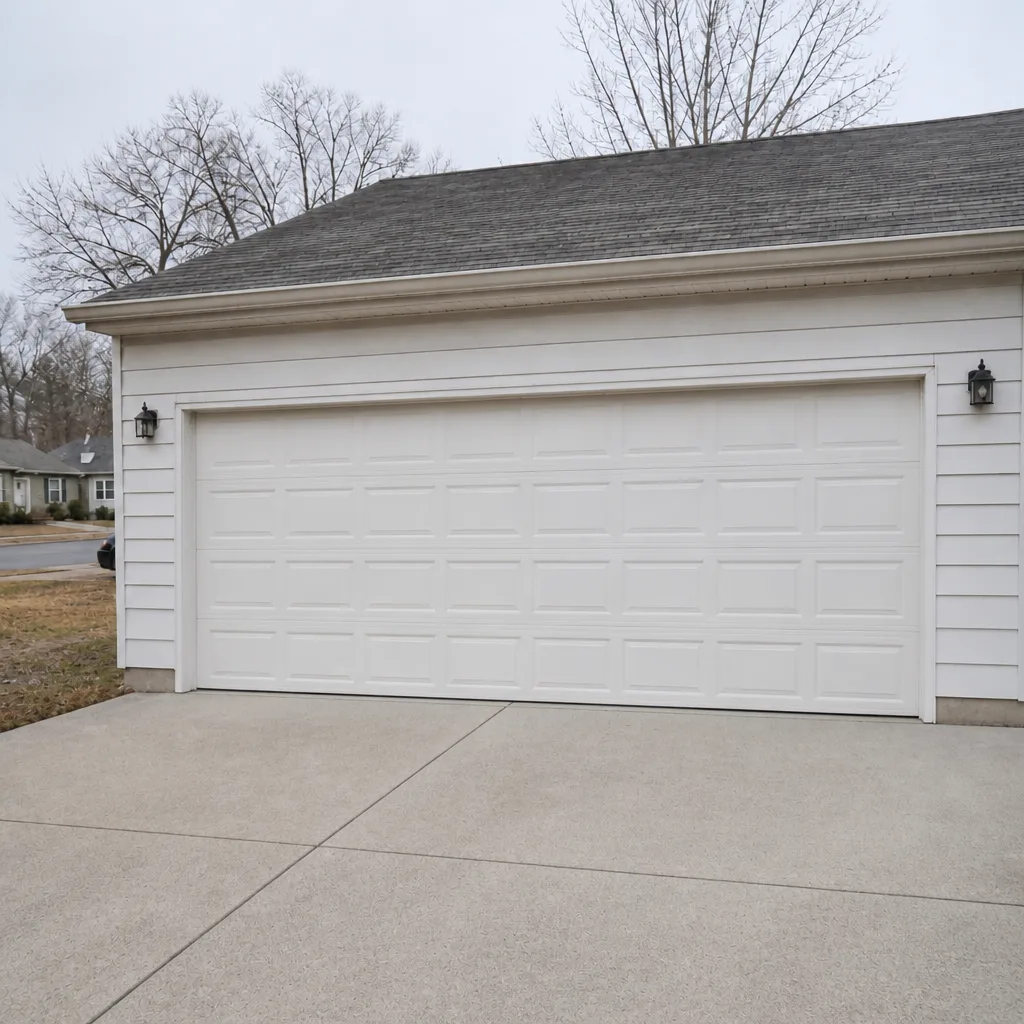
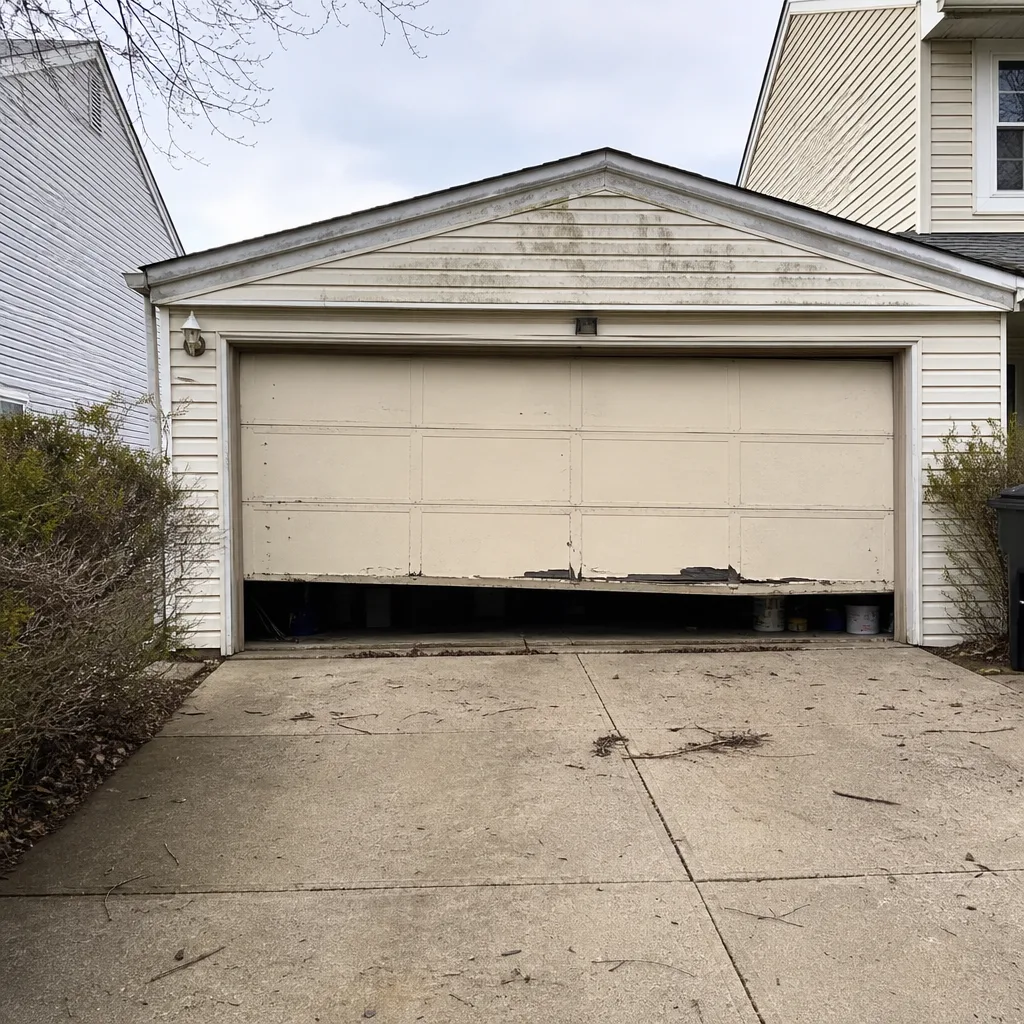
See the difference
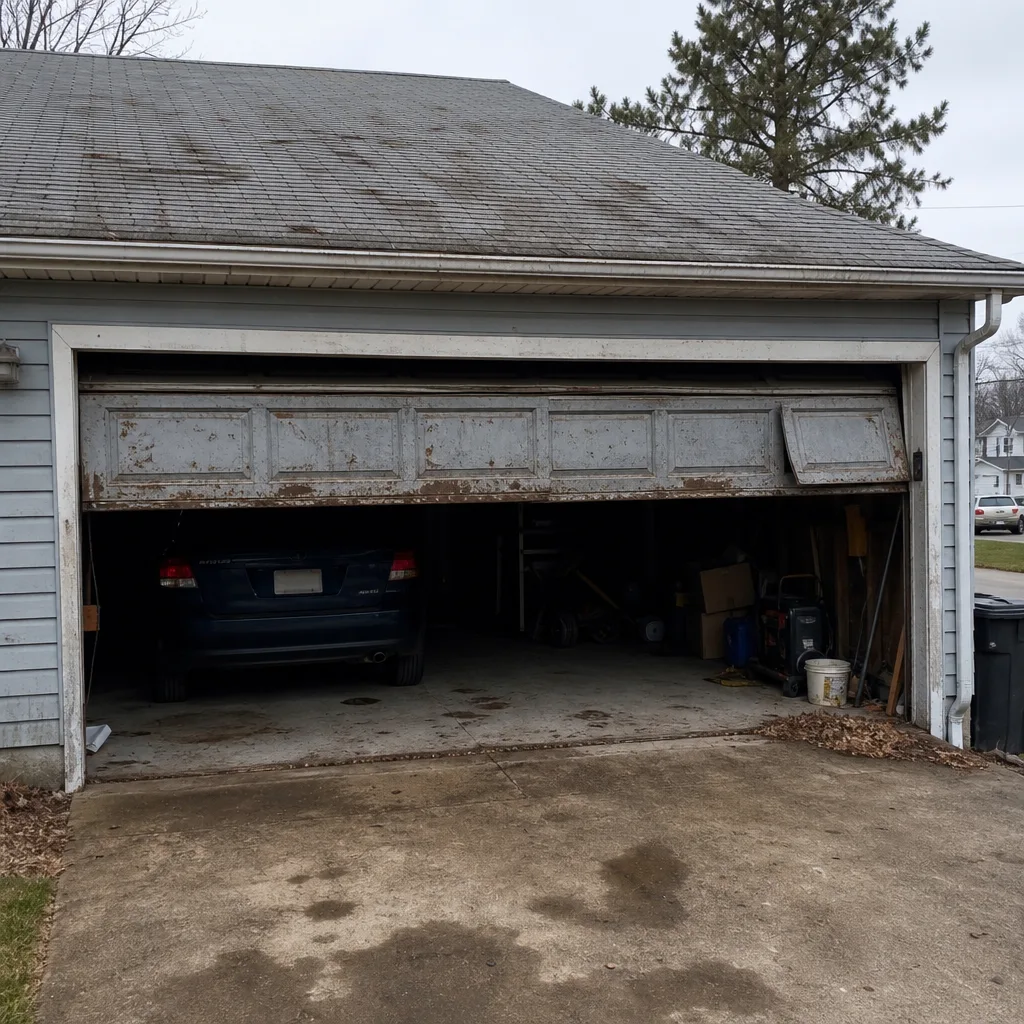 Before
 After
 Before
 After
 Before
 After