Last updated November 22, 2026
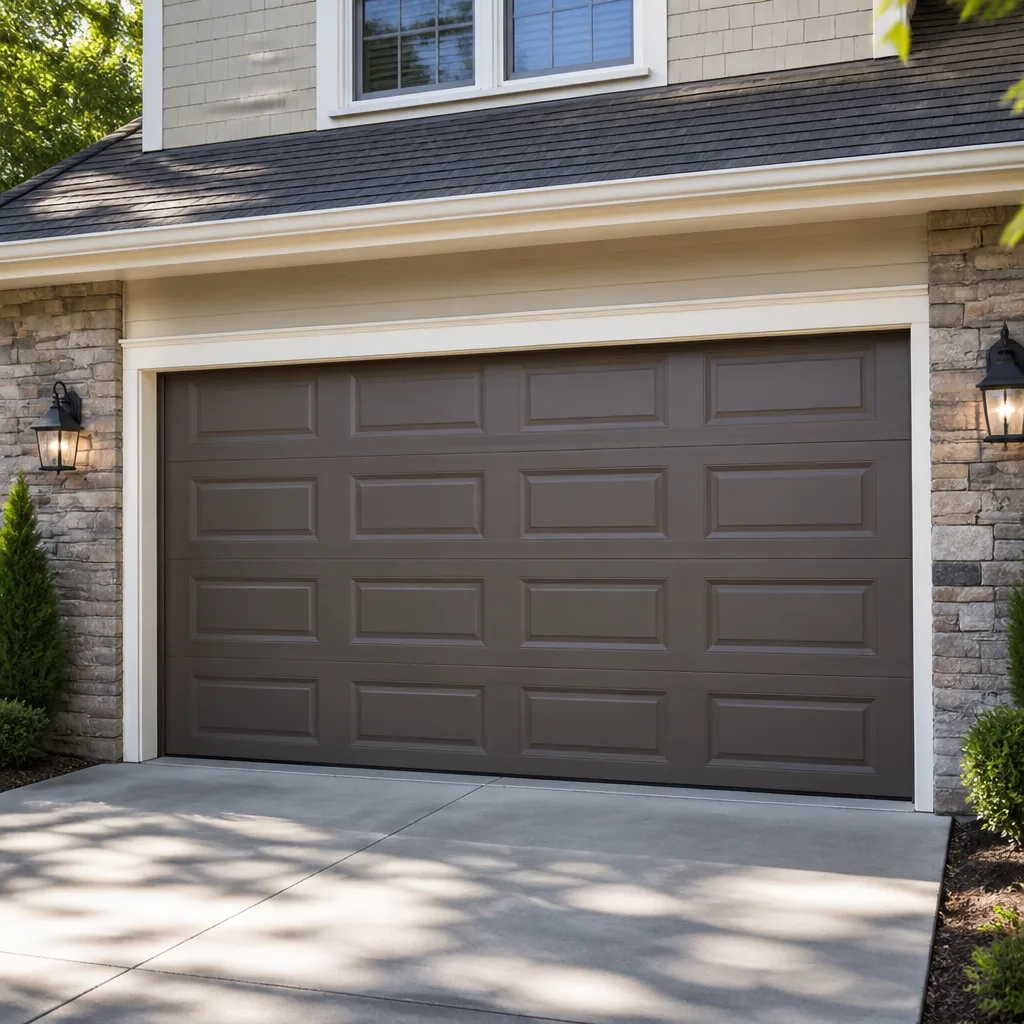 Raised-panel steel
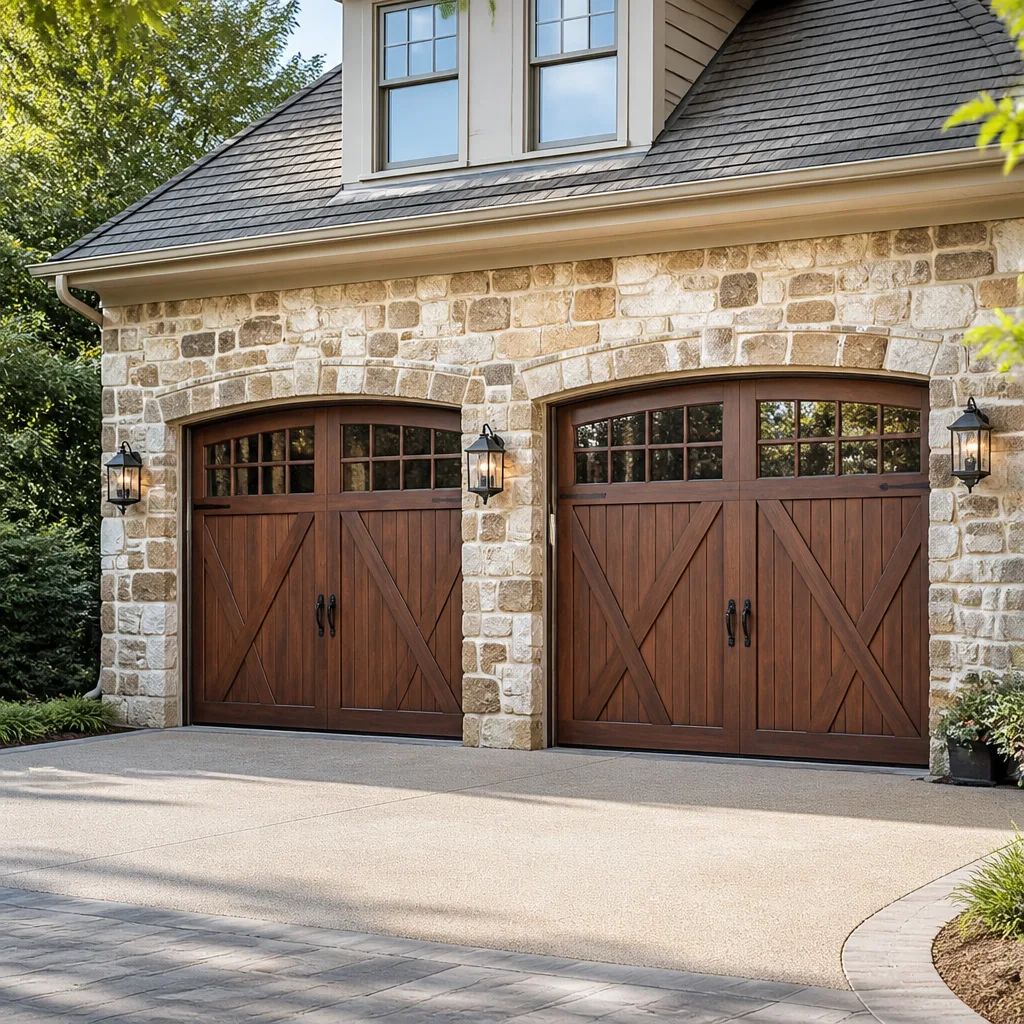 Carriage house
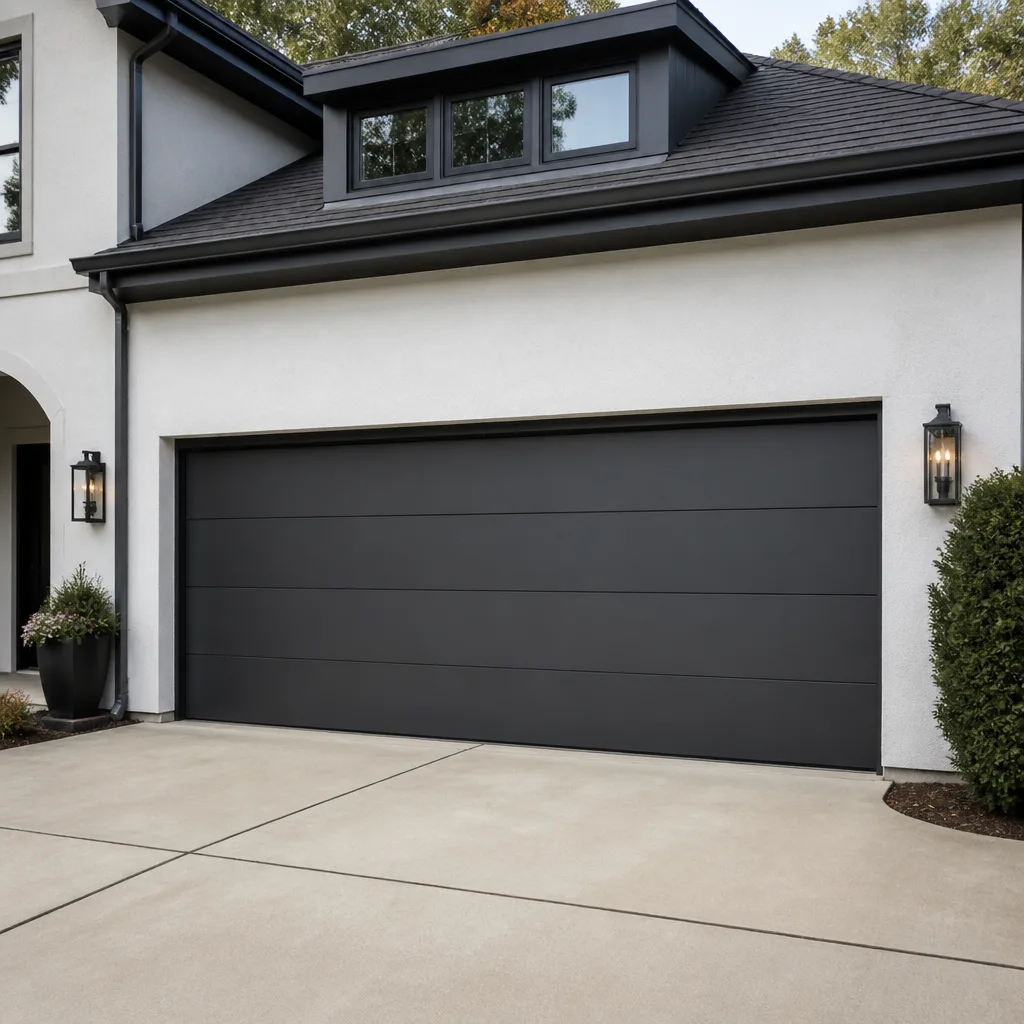 Modern flush
 Full-view glass
 LiftMaster openers
 Chamberlain openers
Full 25-point door and opener safety check with every visit - springs, cables, rollers, tracks, and your LiftMaster or Chamberlain opener included
You get a price before we start. It does not change when the pro arrives.
Get your free estimateSeasonal Garage Door Care for Toms River: Year-Round Homeowner’s Guide
Most seasonal garage door guides read as if every house sits in the same climate. They don’t. A door in Toms River lives through a different year than a door in Morristown: driving nor’easters off the Atlantic, thick July humidity, and a winter freeze that snaps the thermometer for weeks at a stretch. Each of those conditions loads a different part of your system. The tension spring that survived an inland winter may be the one that lets go here. Humidity that fogs an inland basement swells wood composite panels and drags them against the track by August. This guide lays out a maintenance calendar built for Ocean County, from the October check you’ll want before the first hard freeze to the post-storm walk-around that catches a knocked sensor before it strands your car. It’s written for homeowners, not technicians, but we name the parts and the brands so you know exactly what you’re looking at when you’re standing in the driveway.
Quick Answer
Seasonal garage door care in Toms River means four distinct checkpoints: a pre-winter prep in October that addresses spring lubrication and bottom-seal compression before temperatures drop below 32°F, a post-nor’easter inspection after every significant storm, a summer humidity check that catches swelling panels and track drag before they cause a jam, and a fall hardware review that stops corrosion on springs and hinges. The single most important habit is checking your springs and bottom seal before the first freeze, since cold weather thickens grease and brittle metal is more likely to fail under tension.
Styles & brands we work with
- Raised-panel steel
- Carriage house
- Modern flush
- Full-view glass
- LiftMaster openers
- Chamberlain openers
Table of Contents
- How Toms River’s seasons actually stress a garage door
- Pre-winter prep: the October checklist for Ocean County
- Post-storm inspection: what a nor’easter leaves behind
- Summer humidity: when track drag is swelling and when it’s structural
- Fall hardware watch: galvanized vs. powder-coated finishes
- Brand-specific seasonal notes: TorqueMaster, LiftMaster, Chamberlain, Raynor
- A month-by-month Toms River maintenance calendar
- When to stop checking and call a professional
How Toms River’s seasons actually stress a garage door
A garage door is a mechanical system working in an environment you don’t control. In Toms River that environment swings through a genuinely wide range over a single year, and each swing pulls on a different component. Understanding that cycle is the whole point of seasonal care: you’re not doing the same check four times a year, you’re checking four different things because four different failures are coming.
Winter is the season most homeowners think about, and for good reason. When temperatures drop below 32°F, the lubricant on your torsion spring and the rollers on your track thickens. Grease that flows freely in October becomes stiff in January, which means the opener’s motor has to work harder to lift the same door weight. Metal also contracts and becomes more brittle in the cold. That combination – thicker lubricant, stiffer metal, more load on the spring – is why spring failures cluster in the cold months.
Spring and early summer bring the opposite problem. Toms River’s proximity to the ocean and bay means warm months carry significant humidity, and humidity is what drives swelling in wood composite doors and surface rust on exposed steel hardware. Nor’easters can land any time but are most common in late fall and winter, and each one leaves behind wind vibration that shifts tracks, bends panels, and knocks sensors out of alignment.
Fall is when the metal-hardware wear from the prior year catches up. Hinges, rollers, and spring coatings that took a beating through winter freeze-thaw cycles and summer humidity show their true condition as temperatures cool again. That’s the moment to catch corrosion before it becomes a snapped spring or a seized roller.
- Winter: spring tension is highest, lubricant thickens, brittle metal fails, bottom seal hardens against a possibly heaved slab.
- Spring: rest from cold but the start of humidity, and the season when a failed winter part finally lets go.
- Summer: humidity-driven swelling, track drag, rust surface growth on hardware.
- Fall: hardware condition becomes visible again, and it’s your last clean window to prep before winter.
If you’re already seeing a problem that fits one of these seasons, the fastest path is to talk to a specialist. Our team at Toms River Garage Door Repair Co handles exactly this kind of seasonal wear every day, and the technician who looks at your door can usually tell from the wear pattern which season did the damage.
Pre-winter prep: the October checklist for Ocean County
October is the month that matters most in Toms River. The window between the first cool snap and the first hard freeze is your best chance to get ahead of the failures that cold weather causes. Once temperatures drop below 32°F consistently, some checks become harder to do safely and some fixes become more urgent. The pre-winter checklist is about getting ahead of both.
The two concrete items that matter in Ocean County are bottom seal compression and spring lubrication. They’re related to the two different stresses of winter.
Bottom seal compression. Your garage door’s bottom seal is a rubber or vinyl strip that presses against the concrete slab when the door closes. In Toms River, the freeze-thaw cycle that runs from roughly November through March causes slab heave: the concrete under a garage door can lift slightly as moisture in the ground freezes and expands. A slab that was flat in September can be a quarter-inch higher by January. If your seal was already compressed thin, that slab heave opens a gap along the bottom of the door, which lets cold air and water in and, in extreme cases, lets a determined animal or pest in. Before the first freeze, close the door and look for daylight along the bottom. A uniform thin line is normal; a gap or a bright patch means the seal is due for replacement, and doing it in October is better than discovering it in a February cold snap.
Spring lubrication before the cold. Your torsion spring is a coil of steel under significant tension. It’s lubricated at the coil to reduce friction and wear, and that lubricant thickens as temperature drops. A spring that was well lubricated in October will still move freely in December. One that was last lubricated in August may have stiff grease by January, which puts more load on the spring and the opener motor. Lubricating the spring coil – and the rollers and hinges while you’re at it – before temperatures fall below 32°F is a specific, worthwhile October task. This is a maintenance step, not a repair: we’re not suggesting you adjust the spring tension, which is a genuinely dangerous job for anyone without training and the right tools. We’re saying that fresh lubricant before the cold reduces the load on a component you can’t safely touch yourself.
Here’s the full pre-winter sequence in order:
- Test the door balance by disconnecting the opener and lifting the door halfway by hand. A balanced door stays put; one that drops or rises on its own has a tension problem worth a professional look before winter.
- Inspect the bottom seal for gaps and daylight, and check whether the slab under the door has heaved.
- Lubricate the torsion spring coil, the rollers, and the hinge pivots with a garage-door-rated lubricant, not general-purpose grease.
- Check weatherstripping around the door frame for cracks or peeling that will fail in the cold.
- Test the opener’s auto-reverse function by placing a block of wood in the door’s path and confirming it reverses on contact.
- Clear debris and leaves from the track and check that the track is straight and free of dents.
If the balance test in step one fails, or if you see a gap in the spring coil or a bend in the track, that’s the point to stop and get a trained eye on it before the freeze. A worn torsion system is one of the few parts of a garage door that genuinely warrants expert attention – more on that in the section below.
Post-storm inspection: what a nor’easter leaves behind
A nor’easter doesn’t just bring rain. It brings sustained wind, gusts that rattle a garage door in its frame, and vibration that transmits through the track and the opener mounting. After a significant storm in Toms River, the damage is often invisible until you try to open the door and it grinds, jams, or won’t close all the way. A ten-minute walk-around after the wind dies down catches the three most common storm effects before they become repair bills.
Track alignment. Garage door tracks are steel channels, and wind vibration can nudge them out of vertical or horizontal alignment by a fraction of an inch. That fraction is enough to make the rollers bind. Walk to the side of the door and sight down each track like a rifle barrel; if the track curves or the gap between track and door is uneven top to bottom, it’s out of alignment. Do not try to bend a track back with a hammer – a distorted track is worse than a misaligned one, and the repair is a track adjustment, not a percussive fix.
Panel dents that affect sealing. A dented panel isn’t only cosmetic. If the dent is on the bottom panel or along the edge where the door meets the frame, it can break the seal that keeps weather out. Run your hand along the bottom and side edges after a storm and look for gaps where the door no longer meets the weatherstripping flush. A panel that’s been pushed in slightly is a sealing problem, not just a looks problem.
Sensor alignment after wind vibration. The two safety sensors at the bottom of the door track – the small eyes on either side of the opening – are the most storm-sensitive part of the system. Wind vibration can knock them a few degrees off their line of sight, and a misaligned sensor means the door won’t close because it thinks something is in the way. If your door won’t close after a storm and the track looks fine, check the sensor lights first: most units have a small indicator light on each sensor that tells you whether they’re seeing each other. A sensor that’s been bumped is a two-minute realignment, but it’s worth knowing before you assume the opener has failed.
Post-storm checklist in brief:
- Sight down both vertical tracks for bends or gaps.
- Run a hand along the bottom and side edges for sealing gaps from panel dents.
- Check both sensor indicator lights and confirm the door reverses when the beam is broken.
- Test the opener’s auto-reverse with a block of wood.
- Clear any debris – branches, leaves, grit – from the track and the slab under the door.
If a storm has left your door stuck open, jammed, or unsecured, that’s the situation emergency service exists for. A door that won’t close leaves your home open, and a door that won’t open can trap a car. We offer garage door repair for exactly these post-storm failures, and we don’t treat a storm-damaged door as a tomorrow problem when it’s leaving your house exposed.
Summer humidity: when track drag is swelling and when it’s structural
July in Toms River is humid enough that the air itself feels like a material. That humidity does real work on your garage door, and the way it manifests depends on what your door is made of. The useful distinction for a homeowner is between a door that’s dragging because its material has swelled, and a door that’s dragging because something structural has failed. They feel similar from the driver’s seat. They’re very different problems.
Wood composite and steel doors behave differently. A wood composite door – the engineered panels that look like wood but are made from compressed material – absorbs moisture through its edges and faces. In a humid summer, that absorbed moisture causes the panels to expand slightly. A door that was a clean fit against the track in April can be a tight fit by July. The symptom is a door that moves more slowly, sounds rougher, or needs a second push from the opener to get started. Steel doors don’t swell, but their surface coating can hold moisture against the seams and hardware, and humidity accelerates any rust that started the previous fall.
When swelling is the cause. If the drag started gradually as the humidity climbed and the door still opens and closes, swelling is the likely culprit. The fix is usually track adjustment and hinge lubrication, plus checking that the weatherstripping isn’t trapping moisture against the door edge. Some homeowners find that simply clearing the track and lubricating the rollers restores smooth movement until the humidity drops.
When it’s structural. If the door suddenly binds, if a roller jumps the track, if the door hangs visibly lower on one side, or if the opener strains even on a cool morning, that’s not swelling. That’s a bent track, a worn roller, a failing hinge, or a spring that’s lost tension. A structural problem doesn’t improve as the weather changes and usually worsens. If a door that was smooth in June suddenly grinds in July, get it looked at rather than waiting for fall. A binding door puts extra load on the opener and the spring, and that’s how a small fix becomes a big one.
Signs to watch for in a humid Toms River summer:
- Door moves slower than in spring but still moves – likely swelling, address with lubrication and track check.
- Door binds suddenly or hangs unevenly – structural, get it inspected.
- Visible rust bloom on hinges, rollers, or spring – humidity-driven surface corrosion, clean and re-lubricate.
- Opener strains or reverses on its own – could be swelling drag or a failing adjustment, worth a professional look.
- Water pooling under the door after rain – a sealing problem that humidity will worsen.
Fall hardware watch: galvanized vs. powder-coated finishes
Fall is when the wear from the year behind you becomes visible on your hardware. If you’re within a couple of miles of Barnegat Bay, the fall review matters more than it does for a home twenty miles inland, because the same airborne moisture that fogs the bay on a cool morning settles on your metal hardware overnight and stays there. Which hardware holds up and which corrodes fastest depends mostly on its finish.
Galvanized steel is coated with a layer of zinc that sacrifices itself to protect the steel beneath. That’s why galvanized hardware tends to last well in humid, bay-adjacent environments – the zinc coating takes the corrosion so the steel doesn’t. The trade-off is appearance: galvanized surfaces dull and develop a matte gray patina over time. On functional hardware like hinges, brackets, and track, that’s fine. On visible parts of the door face, most homeowners prefer a cleaner look.
Powder-coated steel is finished with a fused polymer layer that provides both corrosion resistance and color. It looks better and resists moisture well – until the coating is scratched or chipped. A chip in powder coat exposes bare steel directly to the air, and corrosion starts at the chip and spreads under the coating, which is harder to spot and harder to stop. In a bay-adjacent Toms River neighborhood, that’s the finish to inspect most carefully each fall.
Which corrodes fastest. The parts most vulnerable to corrosion are the ones that move and wear: hinges, roller stems, and the spring coil itself. These take friction damage that breaks the protective finish faster than a static bracket does. The spring is the biggest concern because a corroded spring is a weakened spring, and a weakened spring is the component most likely to fail. The same zinc coating on a torsion spring that protects it from corrosion is also what wears away as the spring cycles, so a spring that’s seen many seasons and visible surface rust is worth having a specialist look at.
Fall hardware review points:
- Inspect hinges and roller stems for rust bloom, especially on doors within a couple of miles of the bay.
- Check powder-coated surfaces for chips or scratches and address them before winter.
- Look at the torsion spring for surface rust, and don’t attempt to clean or adjust it yourself.
- Re-lubricate moving hardware after you’ve inspected it – the lubricant is the first line against moisture.
- Note any hardware that’s visibly worse than last fall and treat it as a signal to have the system checked.
While you’re looking at hardware finish, it’s also a good time to think about the springs themselves, since they’re the most important and least forgiving part of the whole system. If you’re seeing rust, gaps, or a spring that’s clearly lived a hard life, our specialists handle garage door spring repair and can tell you whether what you’re seeing is normal wear or a spring that’s due to be replaced before winter puts load on it.
Brand-specific seasonal notes: TorqueMaster, LiftMaster, Chamberlain, Raynor
Not every garage door system responds to the seasons the same way, and the brand and design of your system changes what you should watch. A few specific notes are worth knowing for the equipment most common in Toms River homes.
Wayne Dalton TorqueMaster systems. TorqueMaster is an enclosed torsion spring system where the spring sits inside a tube rather than being exposed above the door. The enclosure protects the spring from dirt and moisture, which is a real advantage in a humid climate. But the closed design also changes how the system behaves in cold weather. On an exposed torsion system, you can lubricate the spring coil directly and you can hear or feel when it’s stiffening. On a TorqueMaster, the spring is inside the tube, so cold-weather stiffness is harder to diagnose by eye, and lubrication of the enclosed spring isn’t something a homeowner can do from the driveway. If you have a TorqueMaster and the door feels heavier or slower as temperatures drop, that’s the point to have a technician check the enclosed spring assembly rather than trying to access it yourself. The enclosure is there for a reason, and part of that reason is safety.
LiftMaster and Chamberlain openers. These are the two most common opener brands in residential use, and both have seasonal behavior worth noting. In cold weather, the opener’s motor has to overcome thicker lubricant and a stiffer spring, so an opener that’s near the edge of its capacity in October may strain audibly in January. Chamberlain and LiftMaster units with battery backup have an additional seasonal consideration: the battery’s performance drops in cold, so a battery that’s fine in summer may not hold a charge in a January outage. In summer humidity, the opener’s internal electronics and the wall-mounted control can be affected by condensation on unheated garage walls, which is another reason to keep the garage reasonably ventilated in humid months.
Raynor and other steel-door systems. If your door is a Raynor steel system, the finish is the seasonal focus. Steel doors resist humidity better than wood composite, but a scratched or chipped finish on a steel panel is an entry point for rust, and in a bay-adjacent Toms River neighborhood, rust spreads through the humid months. Touch up chips in the fall, before winter moisture has a chance to work on the exposed steel.
Whatever the brand on your door, the seasonal checklist applies – the brand notes just tell you which section of it deserves extra attention. If your opener is the part giving you trouble, our team handles garage door opener repair across the major brands, so you’re not stuck figuring out whether your specific model is supported.
A month-by-month Toms River maintenance calendar
If you want a simple rhythm to follow through the year in Toms River, this is it. These are the checks that fit each season’s actual stress, not a generic list repeated four times.
- March: After the last hard freeze, do a post-winter walk-around. Test the door balance, check for any winter damage to the seal or track, and note anything the cold has left behind.
- April-May: Clear winter grit from the track, lubricate rollers and hinges, and check the bottom seal for winter-related cracking. This is your transition-to-humidity prep.
- June-August: Watch for summer drag. A door that slows gradually is likely swelling; a door that binds suddenly needs professional attention. Keep the track clean and the hardware lubricated, and check for surface rust on hinges.
- September: Do the fall hardware review. Inspect hinges, roller stems, and spring surfaces for corrosion, address any powder-coat chips, and note anything that’s worse than last fall.
- October: Pre-winter prep. Check bottom-seal compression against the slab, lubricate the springs before temperatures fall below 32°F, test the auto-reverse, and get any balance problem looked at before the freeze.
- November-February: Cold-season watch. Listen for a heavier door, watch for opener strain, and after any significant storm, run the post-storm inspection. Don’t wait on a binding door in the cold.
The calendar above is the condensed version. The logic behind it: you’re closing the winter window in October, catching humidity effects in summer, and using the fall to see what the year did to your hardware. A homeowner who follows this rhythm in Toms River is far less likely to discover a snapped spring on a January morning, because they’ll have caught the warning signs in the fall.
When to stop checking and call a professional
Some seasonal maintenance is genuinely a homeowner’s job: lubricating hardware, clearing the track, checking the seal, testing the safety reverse. Other jobs are not, and knowing the line is part of safe seasonal care.
Stop checking and call a professional if:
- Your door won’t balance – it drops or rises on its own when you lift it halfway by hand.
- You see a gap, crack, or visible rust-through in the torsion spring. Do not touch a spring under tension; it stores enough energy to cause serious injury if it fails while you’re near it.
- A roller has jumped the track or the door is visibly crooked in the frame.
- Your opener reverses on its own, strains audibly, or won’t hold the door up.
- A panel dent has broken the seal and the door won’t close flush.
- A post-storm inspection finds a track out of alignment, a sensor that won’t realign, or a door that’s jammed.
Spring work is the one that deserves the strongest warning. A torsion spring under load is a serious mechanical hazard, and a DIY spring replacement is the single most common way a garage door repair goes badly wrong. Our technicians have up to 14 years of experience with this exact work, and we treat spring repair as a core service precisely because it’s the part that most rewards a trained hand. Toms River Garage Door Repair Co offers free estimates in Toms River – call (877) 792-5709 and we’ll come take a look, tell you what we see, and give you a written price before any work starts.
Common Mistakes to Avoid
- Lubricating the spring only after the cold arrives. Grease thickens below 32°F, so the lubricant you apply in January doesn’t penetrate the way it does in October. Do the spring and hardware lubrication in the fall, while the oil still flows.
- Ignoring bottom-seal compression. A thin seal against a heaving Toms River slab opens a gap in late winter that lets in cold air, water, and pests. Check it in October, when you still have time to replace it before the freeze.
- Bending a storm-misaligned track back by hand. A track nudged out of alignment by wind vibration is a precision adjustment, not a hammer-and-bend job. Improvised correction usually makes the misalignment worse.
- Treating slow summer door movement as a mechanical failure. If the drag climbed gradually with the humidity, it may just be swelling that track adjustment and lubrication can address. Save the panic for a sudden bind.
- Skipping the post-storm sensor check. A door that won’t close after a nor’easter is often a sensor knocked a few degrees out of alignment by wind vibration, not a dead opener. Check the sensor lights before assuming the worst.
- Assuming a TorqueMaster spring is visible. The enclosed spring in a Wayne Dalton TorqueMaster system can’t be inspected from the driveway. If a TorqueMaster door feels heavy in the cold, that’s a professional check, not a homeowner one.
- Waiting on a rusty spring. Rust on a torsion spring is a weakening of the spring, not a cosmetic issue. Have it looked at before winter load lands on it.
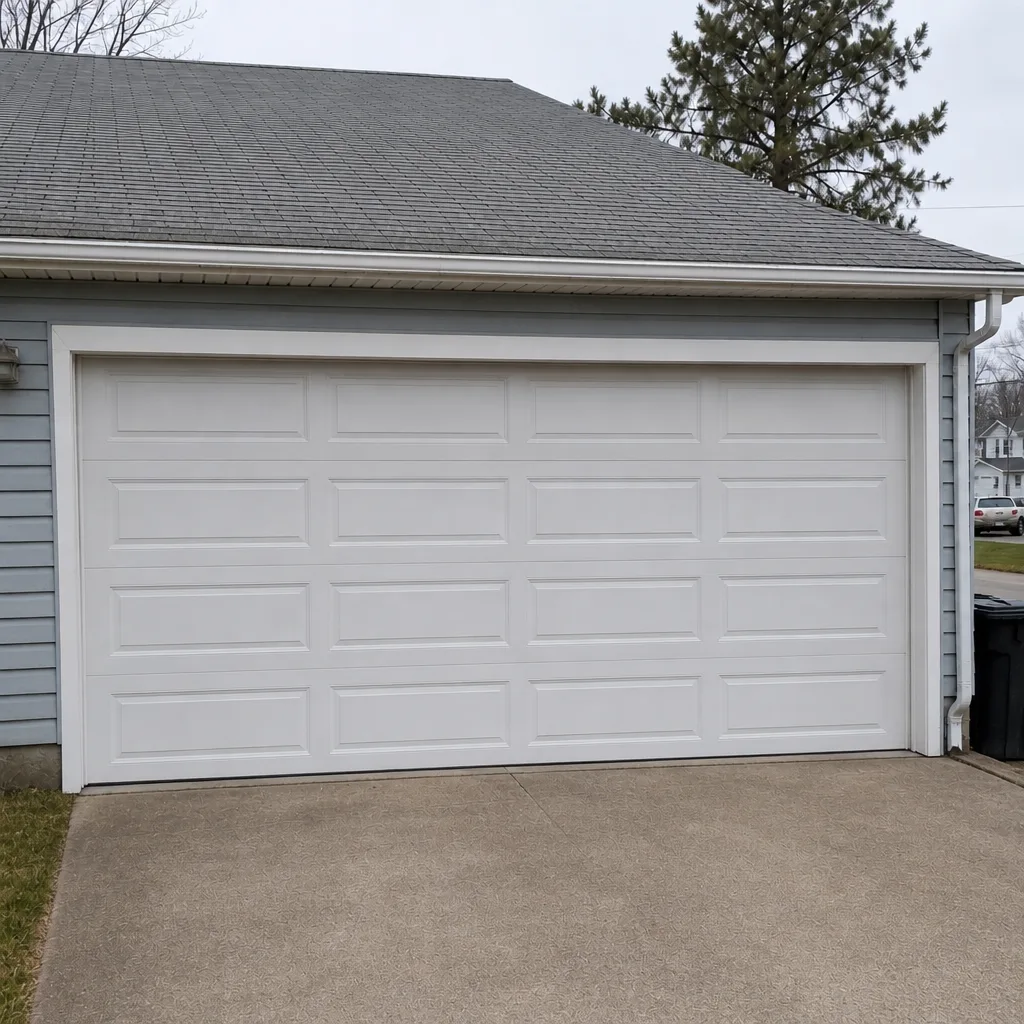
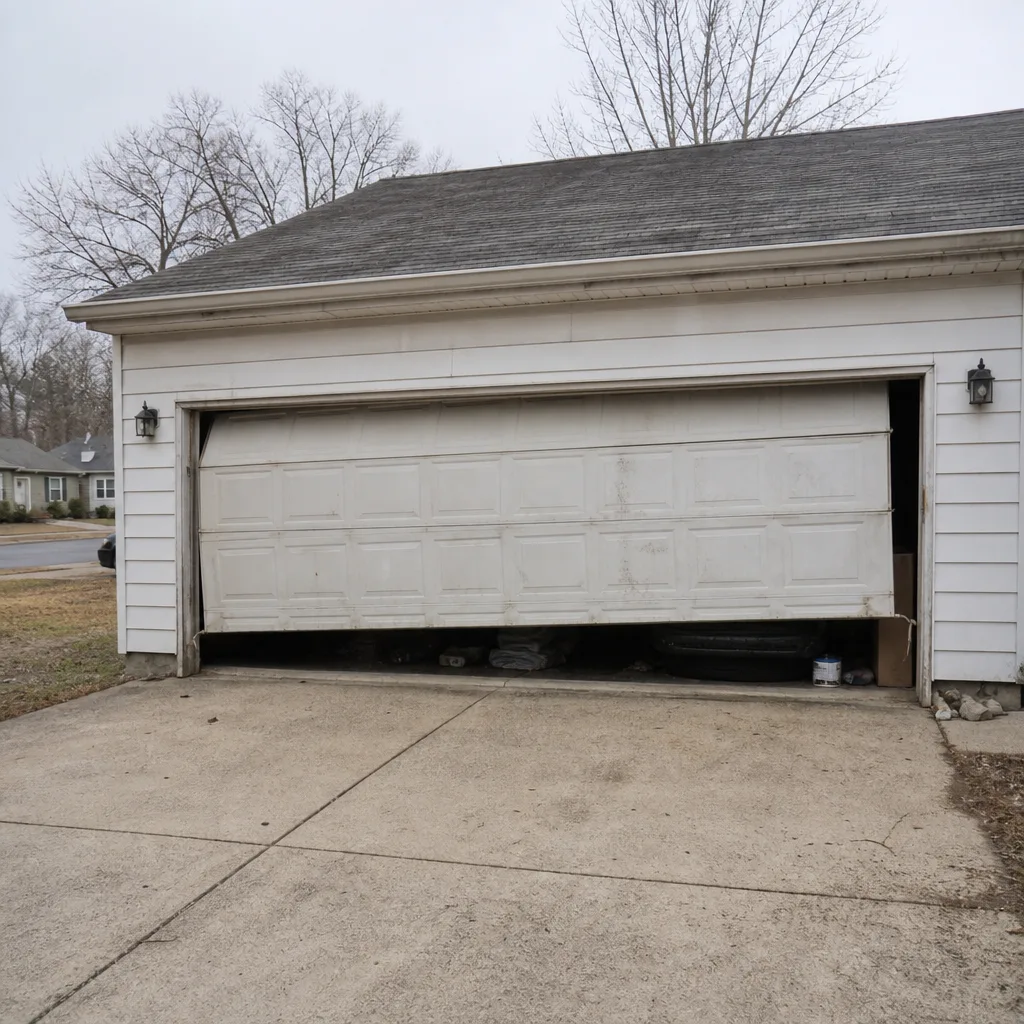
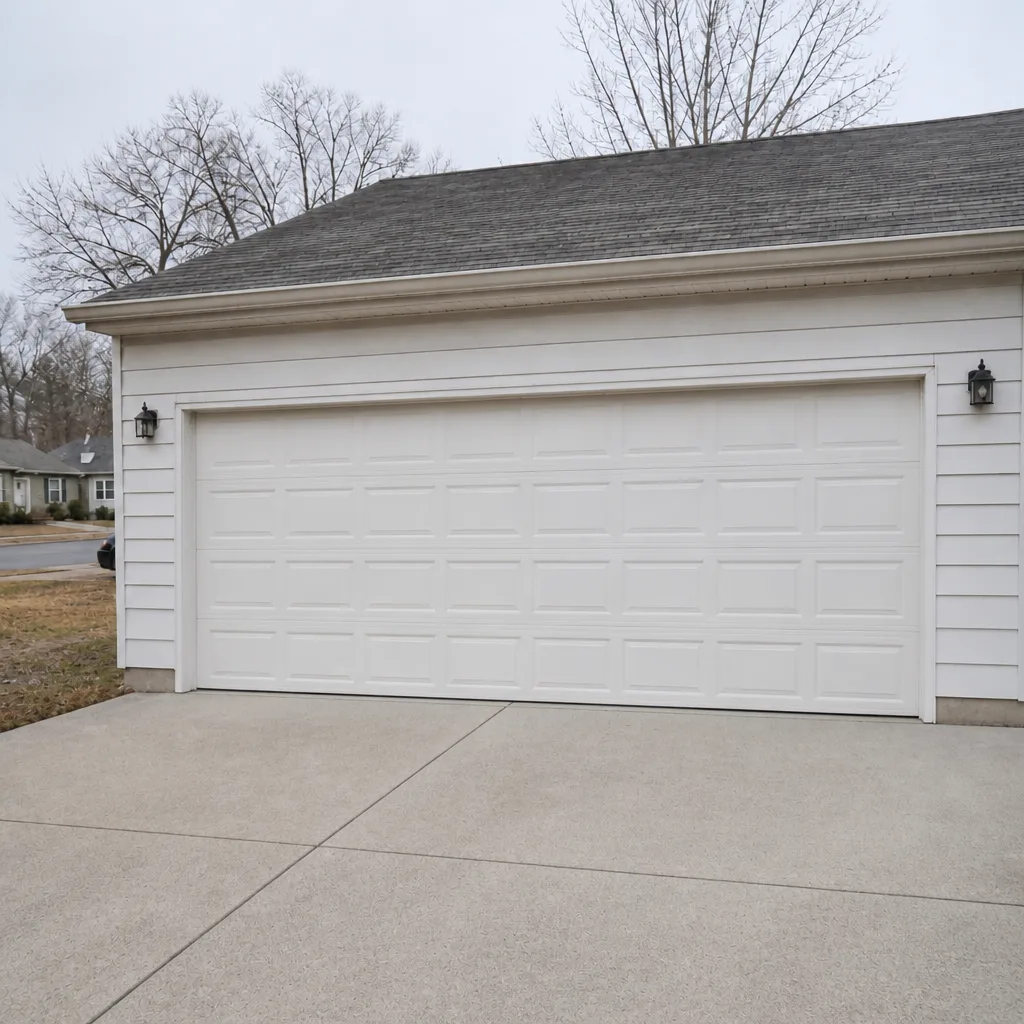
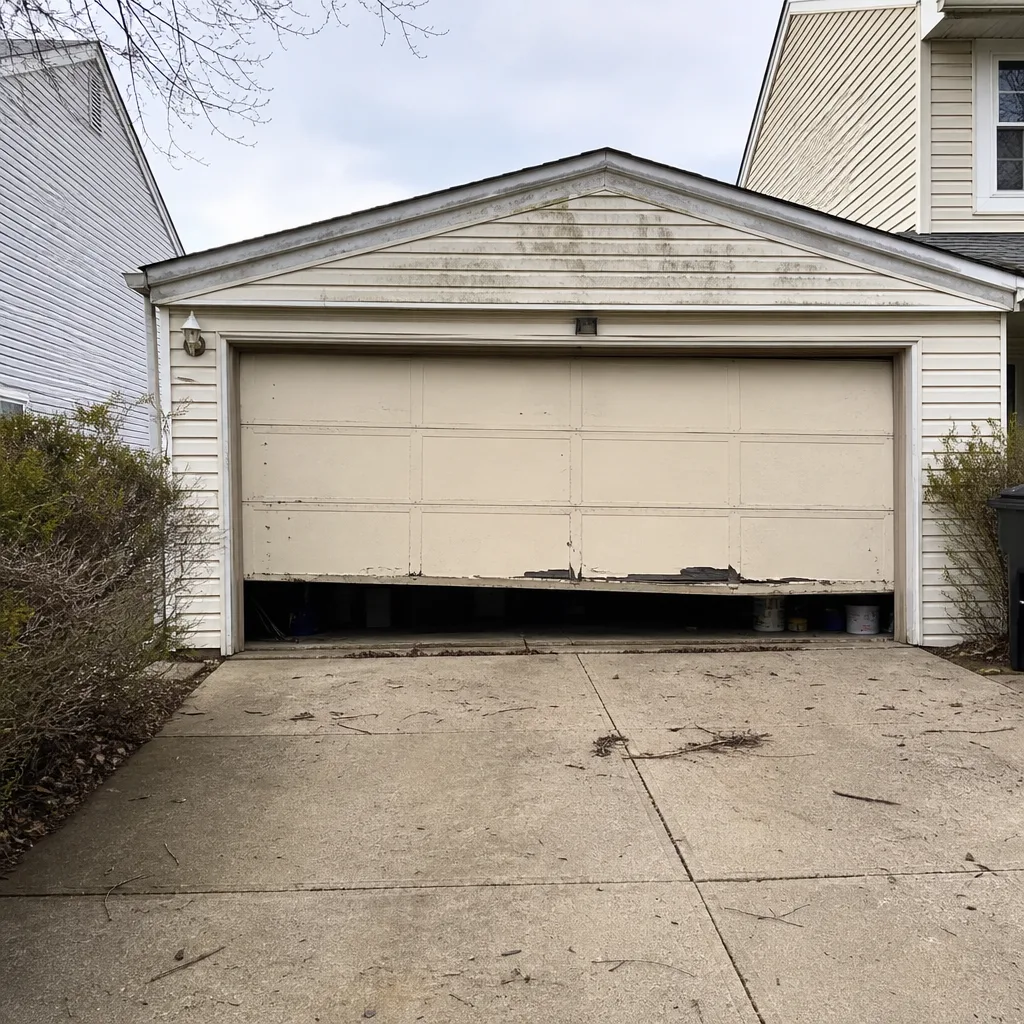
See the difference
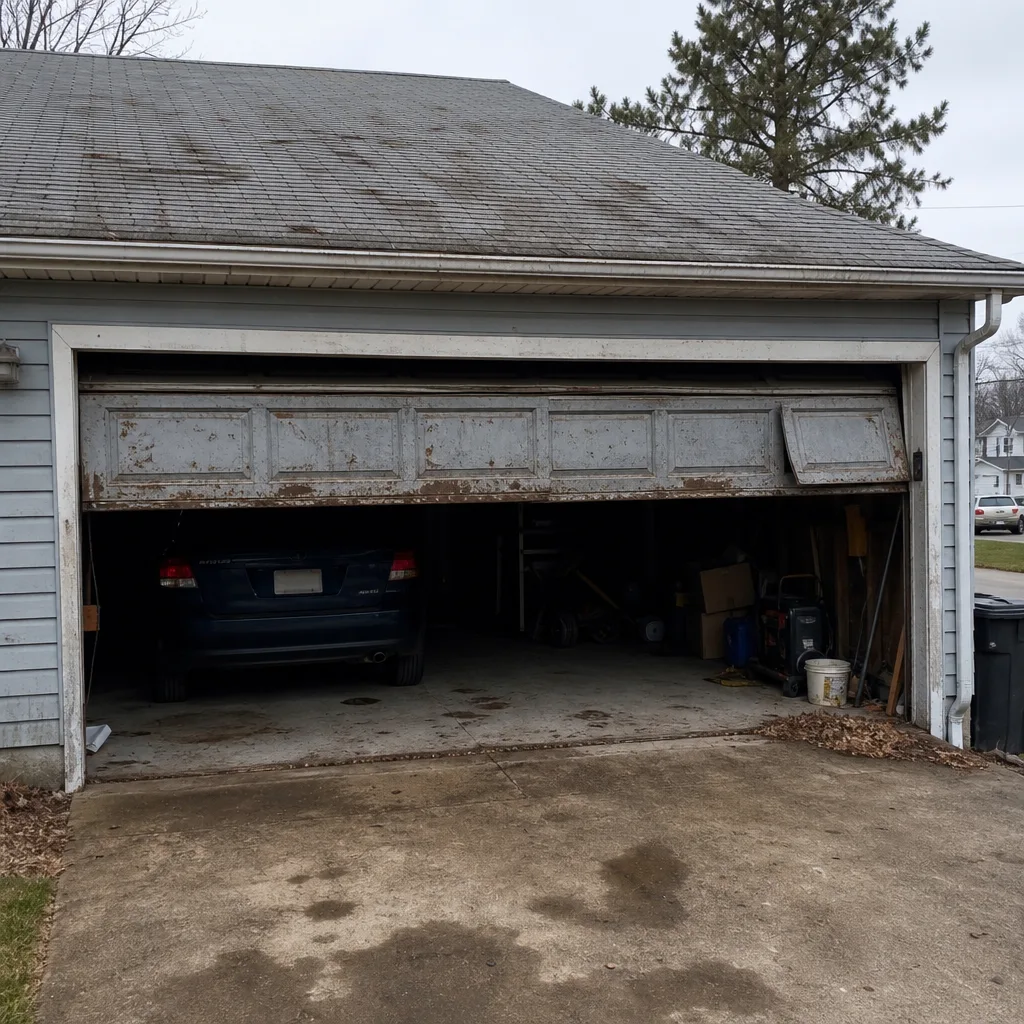 Before
 After
 Before
 After
 Before
 After
Frequently Asked Questions
Four checkpoints a year covers the seasonal cycle here: a pre-winter prep in October, a post-storm inspection after any significant nor’easter, a summer humidity watch, and a fall hardware review. The October pre-winter check is the one that matters most, because it’s your last clean chance to lubricate springs and address seal compression before temperatures drop below 32°F. Call (877) 792-5709 if any check turns up something you’re not sure about – estimates are free.
Cold weather does three things at once: it thickens the lubricant on the spring and rollers, it makes metal more brittle, and it increases the load the door places on the torsion system. That combination puts the most stress on the spring during the coldest months, which is why failures cluster in the cold. Lubricating the spring before the cold season – not after – is the single most useful preventive step. If your door feels heavy or your opener is straining, call (877) 792-5709 for a free estimate.
Yes, and it affects different doors differently. Wood composite panels absorb moisture and swell in July humidity, which can cause the door to drag in the track. Steel doors don’t swell, but humidity accelerates any rust that started earlier and can affect openers and wall controls through condensation on unheated garage walls. If your door slows gradually as the humidity climbs, it’s likely swelling; if it binds suddenly, that’s structural and worth a look. Call (877) 792-5709 for a free estimate.
Galvanized steel tends to hold up well because its zinc coating protects the steel beneath, sacrificing itself to moisture rather than letting the steel corrode. Powder-coated steel resists corrosion and looks better, but a chip in the coating exposes bare steel, and corrosion spreads under the finish from the chip. Hinges, roller stems, and the spring coil corrode fastest because they take friction damage that breaks the protective finish. Have a technician inspect any hardware that’s visibly worse than last fall – call (877) 792-5709 for a free estimate.
Yes, mainly because the spring is enclosed inside a tube rather than exposed above the door. That enclosure protects the spring from dirt and moisture, which is an advantage in a humid climate, but it also means you can’t inspect or lubricate the spring directly from the driveway. If a TorqueMaster door feels heavier or slower in cold weather, the enclosed spring assembly needs a trained technician to check it, not a homeowner. Call (877) 792-5709 for a free estimate in Toms River.
Do a ten-minute walk-around: sight down both vertical tracks for bends or gaps, run a hand along the bottom and side edges for sealing gaps from panel dents, check both safety sensor indicator lights, test the opener’s auto-reverse with a block of wood, and clear debris from the track. If the track is out of alignment, a sensor won’t realign, or the door is jammed or stuck open, that’s a call to a professional. Call (877) 792-5709 for emergency garage door service – a door that won’t close leaves your home unsecured.
The Bottom Line
Seasonal garage door care in Toms River is really about timing your checks to the stresses each season brings. October is the month to act: check bottom-seal compression against the slab, lubricate the springs before temperatures fall below 32°F, and fix any balance problem before the cold puts load on it. Nor’easters mean a post-storm inspection after every significant storm, especially the tracks and sensors. Summer humidity is the time to tell swelling from structural drag, and fall is when hardware corrosion becomes visible and worth addressing. The components that matter most – the torsion spring above all – are the ones a homeowner shouldn’t touch. Call Toms River Garage Door Repair Co at (877) 792-5709 for a free estimate, and we’ll help you get your door ready for the season ahead.
Contact Us
Ready to get ahead of the season? Call Toms River Garage Door Repair Co at (877) 792-5709 for a free estimate on seasonal maintenance, spring repair, opener repair, or a post-storm inspection. We service LiftMaster, Chamberlain, Genie, Clopay, Amarr, Wayne Dalton, Craftsman, and Raynor equipment, we offer emergency garage door service when a storm or failure leaves your home unsecured, and we quote the price and agree it with you before any work starts. Garage doors are all we do, and that focus is why we do them right.
Written by the team at Toms River Garage Door Repair Co.